Etno selo Ljubačke doline
Etno Selo Ljubačke Doline, just outside Banja Luka, is a charming open‑air village designed to preserve the spirit of traditional life in the Krajina region. Built from stone and timber in the style of old rural homesteads, it feels like stepping into a living postcard of Bosnia’s countryside. The complex is arranged around a central stream, with wooden bridges, watermills, and small gardens that recreate the rhythm of village life from a century ago. One of the most interesting facts is that many structures were built using authentic techniques—hand‑cut beams, stone foundations, and traditional roof shingles—making the site both a reconstruction and a craft showcase. Inside the houses, visitors can explore rooms furnished with embroidered linens, carved chests, copper cookware, and loom‑woven textiles that reveal how families once lived and worked. A highlight is the small ethnographic collection, where tools for farming, weaving, and woodworking show the ingenuity of rural households. The watermill, still functional, demonstrates how grain was processed before industrialisation. The village also includes a traditional tavern serving local dishes, adding a sensory layer to the experience.
Banja Luka Bosnia and Herzegovina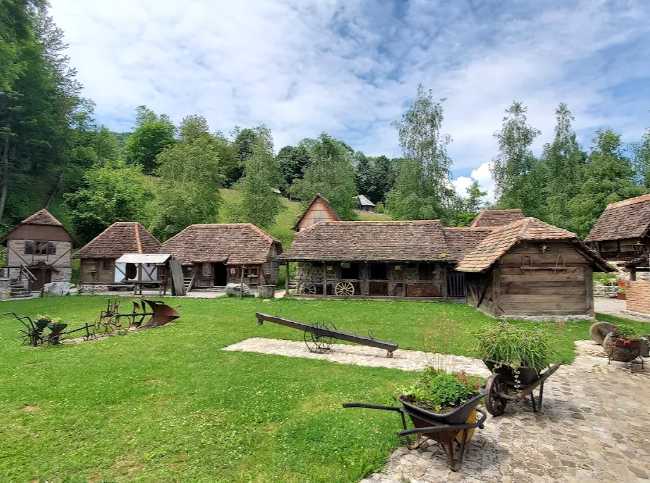
The ethno village is located in the scenic village of Ljubačevo, 78000 Banja Luka, Bosnia and Herzegovina. It is nestled in a lush, rolling valley about seventeen kilometers southeast of the Banja Luka city center, making it a peaceful countryside escape. While the complex itself is the main historical and cultural draw in the immediate area, its location in the hills places it near some beautiful natural and cultural landmarks. Just a short drive away down the winding valley roads is Krupa na Vrbasu, a stunning nature area famous for the Krupa Waterfalls, where you can see active, centuries-old wooden watermills still grinding grain over the rushing rapids. Right nearby in the same valley, you can visit the historic Elijah the Prophet Monastery, a peaceful medieval monastery church perched on a cliff. If you head back toward the city, you can easily access major urban attractions like the grand medieval stone walls of the Kastel Fortress, the Museum of the Republic of Srpska, and the gorgeous Cathedral of Christ the Saviour.
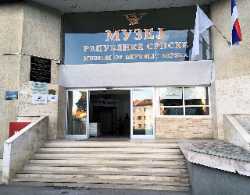 Museum
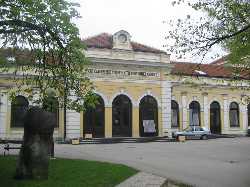 Museum
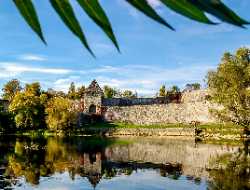 Castle
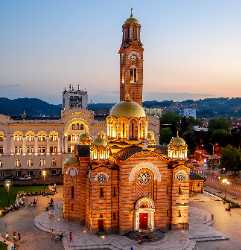 Cathedral
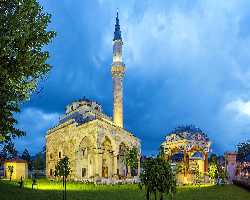 Mosque
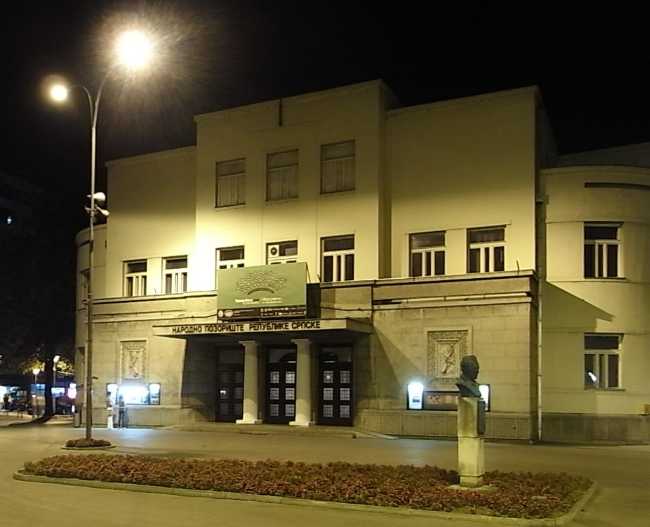 Theatre
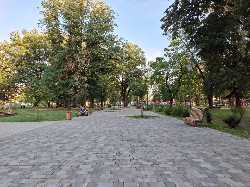 Park
Park