Ferhadija Mosque
Ferhadija Mosque in Banja Luka is one of the finest examples of 16th‑century Ottoman architecture in Bosnia and a symbol of the city’s layered history. Built in 1579 under Ferhat‑pasha Sokolović, it originally formed part of a larger complex that included schools, fountains, and a marketplace. Its elegant proportions, slender minaret, and finely carved stone made it one of the most admired mosques in the region. Inside, visitors encounter a serene, harmonious space defined by soft light and balanced geometry. The mihrab and minbar are crafted from smooth white stone, while the interior walls carry subtle painted ornamentation typical of classical Ottoman style. The dome, supported by sturdy arches, creates a sense of spaciousness unusual for a mosque of this size. One of the most interesting facts is the mosque’s reconstruction. After being destroyed in 1993, Ferhadija was rebuilt using original techniques and surviving fragments, guided by detailed historical documentation. Craftsmen replicated traditional stone‑cutting methods, ensuring the new structure preserved the authenticity of the original. This effort turned Ferhadija into a powerful symbol of cultural restoration.
Banja Luka Bosnia and Herzegovina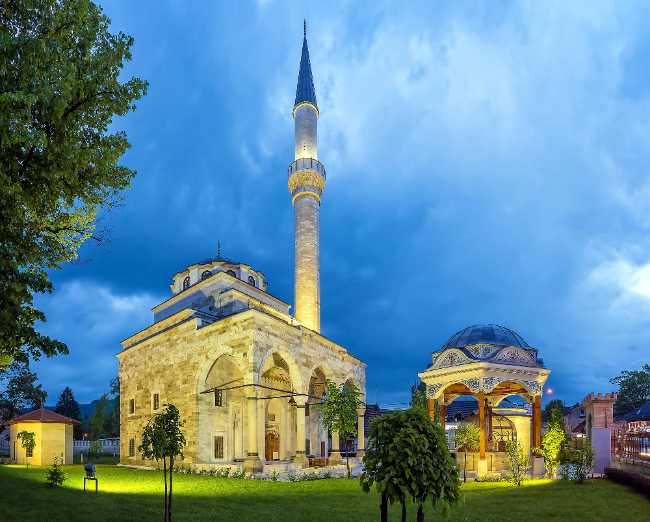
The mosque is located at King Petar I Karađorđević, Banja Luka 78000, Bosnia and Herzegovina. It sits in a prominent position just south of the lively modern center, making it exceptionally easy to reach for travelers on foot. Thanks to its convenient position near the river and the downtown core, you can walk to Banja Luka's top attractions within minutes. Just a short stroll right across the street leads you to the sweeping stone walls of the Kastel Fortress, a massive medieval castle complex that sits along the banks of the Vrbas River. Heading a few minutes north up the main avenue brings you straight to the Museum of the Republic of Srpska, which houses rich archaeological and historical exhibits. Continuing a bit further north reveals the grand Banski Dvor Cultural Center palace and the breathtaking, golden-domed Cathedral of Christ the Saviour, as well as the Museum of Contemporary Art, which is creatively housed inside a beautiful historic Austro-Hungarian railway station.
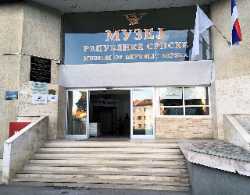 Museum
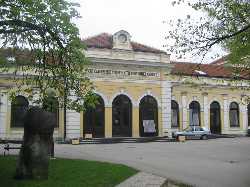 Museum
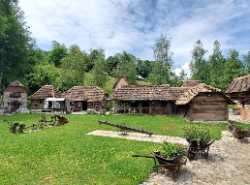 Museum
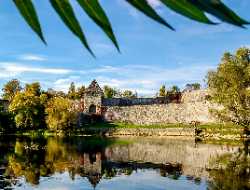 Castle
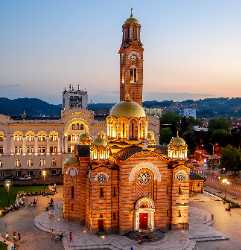 Cathedral
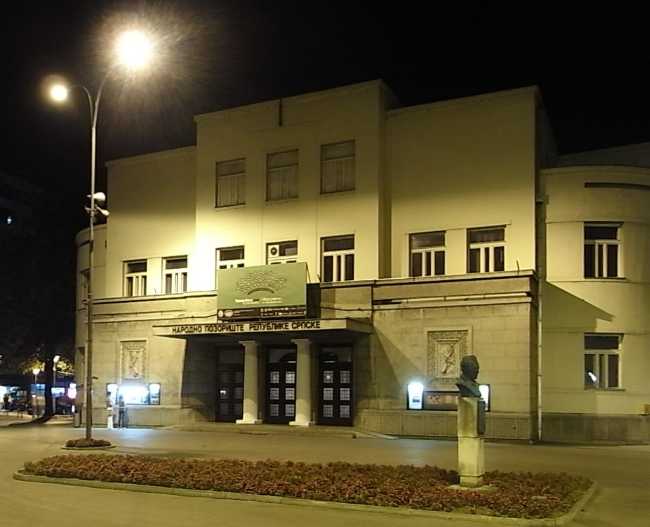 Theatre
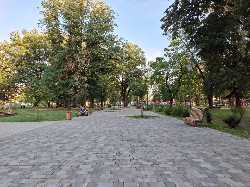 Park
Park