Mladen Stojanović Park
Mladen Stojanović Park is Banja Luka’s most beloved green refuge, a spacious urban oasis named after the local physician and WWII resistance hero. Spread across rolling lawns and shaded pathways, the park blends recreation, history and everyday city life in a way few public spaces manage. Its tall chestnut and maple trees create a natural canopy that keeps the park cool even in midsummer, making it a favourite gathering place for families and students. One of the most interesting facts is that the park was laid out in the early 20th century as part of Banja Luka’s modernisation, and many of its original design elements—broad promenades, flower beds and ornamental trees—are still preserved. Inside, visitors can find sports courts, playgrounds and quiet corners ideal for reading or picnicking. The central alleys often host open‑air events, from concerts to community festivals, giving the park a lively cultural role. A small memorial zone dedicated to Mladen Stojanović adds historical depth, while the nearby fountains and sculptures offer pleasant visual accents. Birdlife is surprisingly rich, making the park a gentle escape for nature lovers within the city centre.
Banja Luka Bosnia and Herzegovina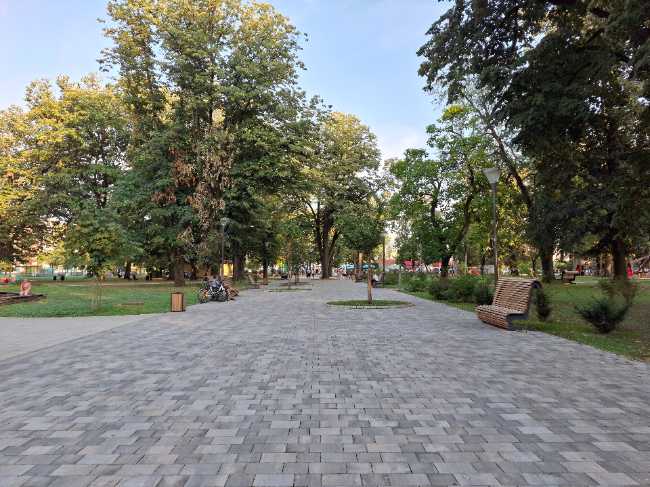
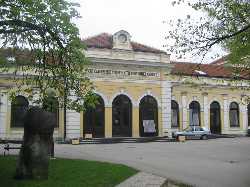
The park is located at Dr. Mladena Stojanovića, Banja Luka 78000, Bosnia and Herzegovina. It sits nestled in the charming Rosulje neighborhood, just a short distance north of the primary downtown core. Because the park is positioned along one of the city's main avenues, you can easily access several major cultural landmarks and tourist attractions with a pleasant walk or a very quick drive heading south toward the town center. Right down the street, you can catch a performance at the National Theatre of the Republic of Srpska. Continuing into the central square brings you to the grand Banski Dvor Cultural Center palace and the breathtaking, golden-domed Cathedral of Christ the Saviour. A brief stroll further into the core reveals the Museum of Contemporary Art, which is creatively housed inside a historic Austro-Hungarian railway station building. If you continue toward the banks of the Vrbas River, you can explore the sweeping stone walls and ancient gates of the historic Kastel Fortress.
 Museum
 Museum
 Museum
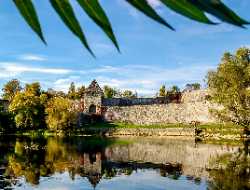 Castle
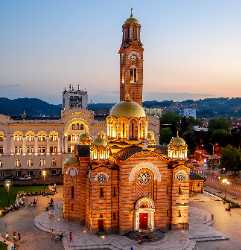 Cathedral
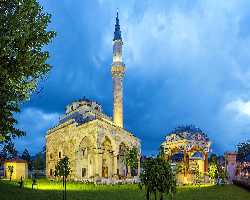 Mosque
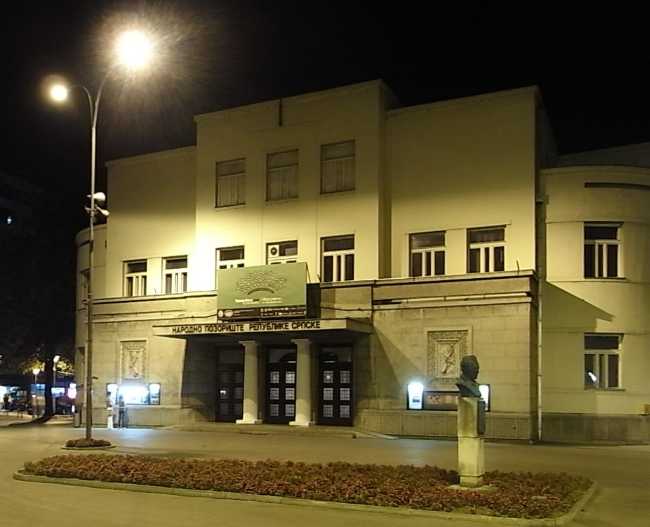 Theatre