Jajce Fortress
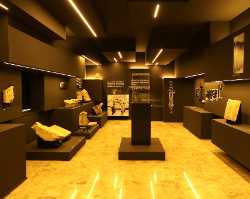
Jajce Fortress crowns the town from a dramatic limestone ridge, offering one of the most impressive medieval panoramas in Bosnia. Its origins reach back to the 14th century, when Jajce served as the last capital of the Bosnian Kingdom. Walking through its gates means entering a space where kings, soldiers and later Ottoman administrators shaped the region’s history. The massive stone walls and angular towers reveal centuries of adaptation to new rulers and new military needs. Inside, visitors can explore wide courtyards, defensive passages and lookout points with sweeping views over the Pliva and Vrbas rivers. One of the most interesting facts is that the fortress once housed the royal court of the last Bosnian king, Stjepan Tomašević, making it a rare site directly tied to the kingdom’s final chapter. Archaeological finds displayed on site—ceramics, tools and weapon fragments—trace life inside the fortress across different eras. The upper ramparts offer the best vantage points, showing how Jajce’s strategic position shaped its destiny. A small exhibition area explains the fortress’s transformation under Ottoman rule, when new defensive elements and inner structures were added.
Jajce Bosnia and Herzegovina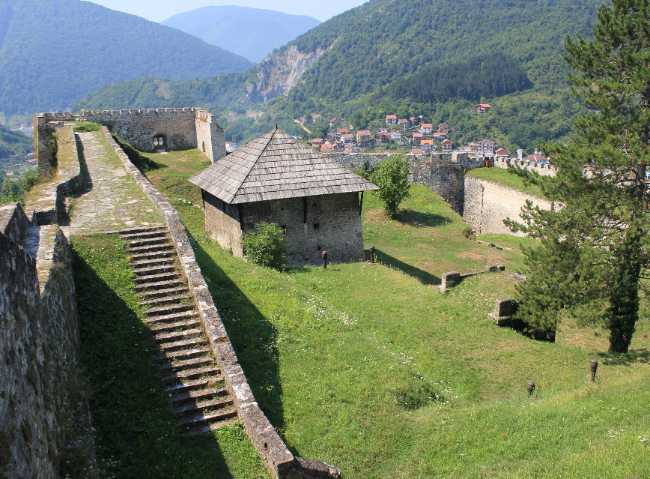
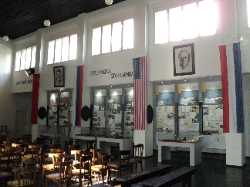
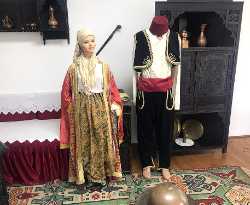
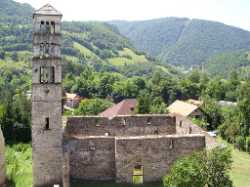
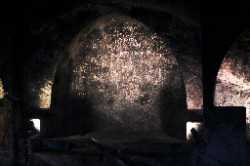
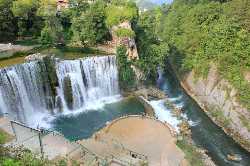
The fortress is located at Harmani, Jajce 70101, Bosnia and Herzegovina. It proudly dominates the highest point of the town's historical center, making it a visible landmark from almost anywhere below. Because the stronghold sits right at the apex of Jajce's highly compact historical core, a short walk down the hillside pathways brings you straight to the town’s best cultural landmarks within minutes. Just below the castle gates, you can visit the Catacombs, a unique underground church and royal crypt carved directly into the rock face. Continuing down the path leads you to the ancient St. Mary's Church, the iconic St. Luke's Bell Tower, and the Ethnographic Museum, which houses rich collections of traditional garments and tools. A few minutes further down the hill brings you to the world-famous Pliva Waterfall, the Museum of the Second Session of AVNOJ, and the peaceful Franciscan Monastery Museum.
 Museum
 Museum
 Museum
 Church
 Church
 Tourist attraction