Pliva Waterfall
Pliva Waterfall is the dramatic natural centerpiece of Jajce, where the Pliva River plunges into the Vrbas in a powerful curtain of water right at the edge of the old town. Few waterfalls in Europe sit so close to a historic urban core, and this unusual setting gives Pliva its iconic character. The waterfall’s height varies slightly with the seasons, but its roar and mist create a constant sense of movement that contrasts beautifully with Jajce’s medieval walls above. One of the most interesting facts is that the waterfall once stood even taller. A major flood in the 20th century reshaped the riverbed, reducing its height but revealing new rock formations that now frame the cascade. The viewpoint platforms offer excellent close‑up angles, letting visitors feel the spray and appreciate the force of the water. Inside the surrounding park zone, you can follow paths leading to smaller cascades, river terraces and photo spots that show how the Pliva shaped Jajce’s development. The waterfall is especially striking in winter, when parts of it freeze into sculptural ice formations.
Jajce Bosnia and Herzegovina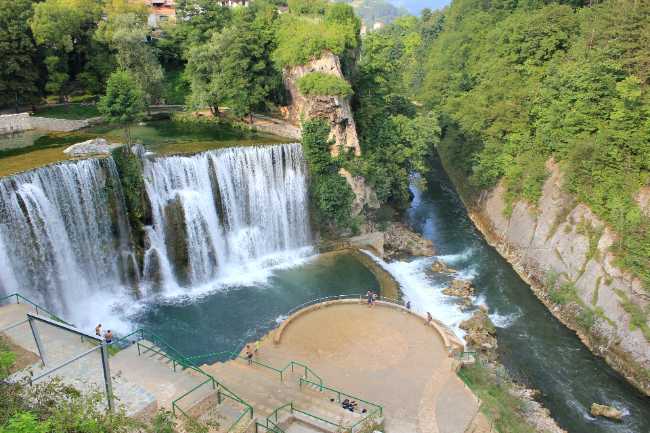
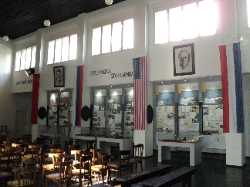
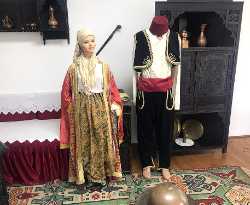
The waterfall is located at the river Pliva meets the river Vrbas, Jajce 70101, Bosnia and Herzegovina. It sits directly at the foot of Jajce's historic walled core, making it the ultimate welcoming landmark as you approach the town. Because the waterfall is located right on the edge of the highly compact town center, you can walk to all of Jajce's primary historic attractions in a matter of minutes. Just a short walk up the path brings you straight to the Museum of the Second Session of AVNOJ, a key landmark celebrating regional modern history. Heading up the historic stone streets into the old town leads you directly to the spectacular Catacombs Underground Church and the ancient ruins of Saint Mary's Church with its iconic Saint Luke's Bell Tower. Continuing to the highest point reveals the grand Jajce Fortress, a medieval stone castle that offers sweeping views of the entire valley, while the nearby Ethnographic Museum and Franciscan Monastery Museum showcase the rich cultural heritage of the region.
 Museum
 Museum
 Museum
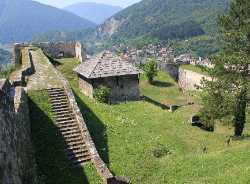 Fortress
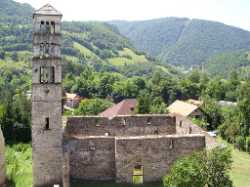 Church
 Church