Slobodište Memorial Complex
Slobodište Memorial Complex in Kruševac is one of Serbia’s most striking World War II memorials, designed by architect Bogdan Bogdanović as a poetic landscape of remembrance. Built on the site where hundreds of civilians and resistance fighters were executed, it transforms tragedy into a symbolic journey from darkness toward light. Rather than relying on monumental statues, the complex uses earth, stone and geometry to evoke reflection. Visitors enter through the “Gate of the Sun,” a sculptural arch that marks the transition into a quiet, grassy amphitheatre. The most compelling element is the series of stone mounds and abstract forms known as “tumuli,” inspired by ancient burial traditions. Their organic shapes create a contemplative rhythm as you walk deeper into the memorial. Another highlight is the “Valley of Life,” a serene open space meant to symbolize renewal and hope after suffering. Inside the small memorial building, visitors find historical panels, personal testimonies and photographs documenting the executions and the city’s wartime experience.
Kruševac Serbia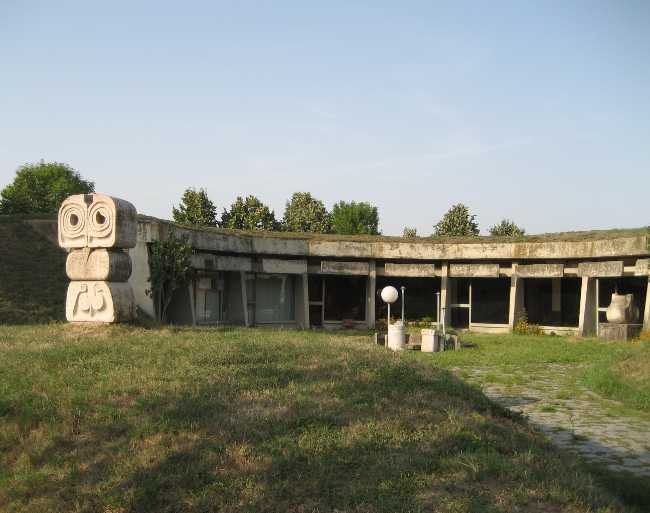
The Slobodište Memorial Complex, known locally as Spomen-park Slobodište, is located on the southwestern outskirts of Kruševac, Serbia, along Bruski put b.b. Built on the slopes of Bagdala Hill, this sprawling park and monument complex was designed by famous architect Bogdan Bogdanović in the 1960s to commemorate victims of World War II. Right next to the memorial park is Bagdala Park, a scenic hilltop recreation area popular with locals for its walking trails, green lawns, and panoramic views over the city. A short drive north toward the city center leads you directly to Kruševac's main historical and cultural sights. You can visit the Lazarev Grad complex, where you will find the stone ruins of Prince Lazar's 14th-century medieval castle keep and the beautiful medieval Lazarica Church. Right within the same fortress grounds sits the National Museum Kruševac, which houses extensive archaeological and historical collections. Nearby in the town center, you can also explore the House of Simić, a late 18th-century residence operating as an ethno-museum, check out regional art at the Kruševac Art Gallery, or admire the famous Monument to the Kosovo Heroes on the main square.
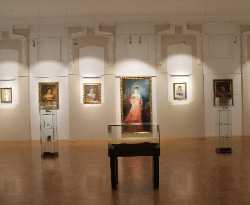 Museum
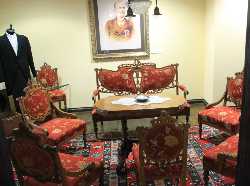 Museum
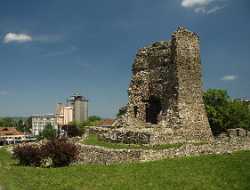 Historical Landmark
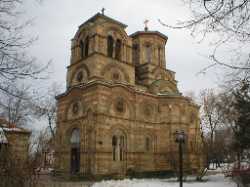 Church
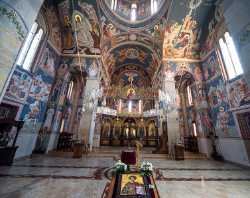 Church
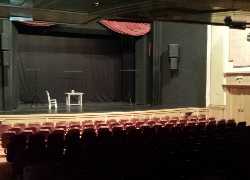 Theatre