Thracian Tomb of Kazanlak
The Thracian Tomb of Kazanlak is one of Bulgaria’s most extraordinary ancient monuments, a UNESCO‑listed masterpiece that offers a rare glimpse into the beliefs and artistry of the Thracian elite. Discovered in 1944, the tomb dates to the 4th century BCE and belonged to a noble couple whose burial rituals were meant to ensure a peaceful passage into the afterlife. What makes it exceptional is its perfectly preserved frescoes—among the finest examples of Hellenistic art found in the region. Inside the replica tomb, visitors can admire the famous frieze depicting a ceremonial feast, chariot procession, and tender farewell between the ruler and his wife. The colours remain astonishingly vivid, with reds, ochres, and greens creating a dynamic sense of movement. The dome’s composition is equally impressive, showing the Thracians’ mastery of proportion and symbolism. The original tomb, protected in a climate‑controlled chamber, is not open to the public, but the replica offers an accurate and immersive experience. Informational panels explain Thracian burial customs, the significance of the depicted rituals, and the techniques used by ancient painters.
Kazanlak Bulgaria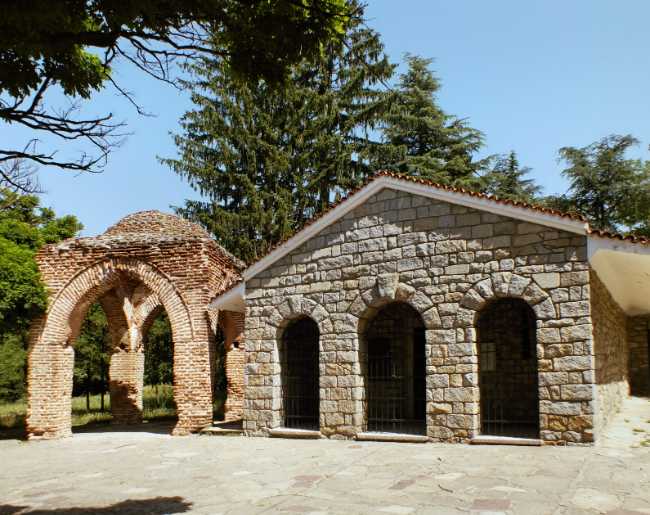
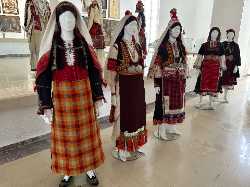
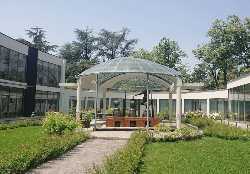
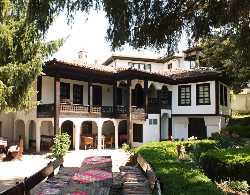
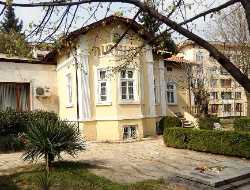
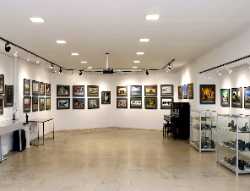
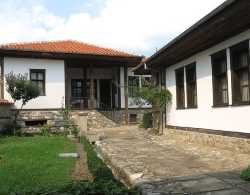
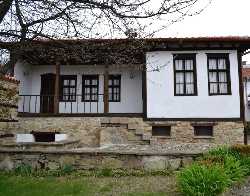
The Thracian Tomb of Kazanlak sits in Tyulbe Park on the northeast edge of the town of Kazanlak in central Bulgaria’s Rose Valley. You’ll find it at Partyulbe, along General Radetski Street in the 6102 postcode area, just a short, pleasant walk from the town centre. The original fourth-century BC burial chamber stays closed to protect its delicate frescoes, but an exact full-size replica stands right next to it so visitors can still step inside and admire the vivid ancient wall paintings. Right nearby in the same park area is the Kulata Ethnological Complex, a small historic quarter that shows traditional local life. A short stroll into town brings you to the Iskra History Museum, which holds many of the treasures recovered from the surrounding tombs, including gold pieces and other finds from the Thracian period. The Museum of Roses is also close by and gives a nice sense of the region’s famous flower-growing heritage. A little further out, the wider Valley of the Thracian Kings is dotted with other ancient burial mounds and tombs that are open to visitors, such as Shushmanets, Ostrusha and the large Golyama Kosmatka site linked to King Seuthes III. These make for an easy and rewarding half-day of exploring if you have a car or join a local tour.
 Museum
 Museum
 Museum
 Museum
 Museum
 Museum
 Museum