Ethnographic Museum of Gjakova
Ethnographic Museum of Gjakova is one of the city’s most atmospheric heritage sites, housed in a beautifully preserved 18th‑century Ottoman residence. Its wooden balconies, inner courtyard, and carved ceilings reflect the craftsmanship that once defined Gjakova’s merchant families. The museum offers an intimate look at how people lived, worked, and celebrated in this culturally rich region. Inside, visitors can explore rooms arranged as they would have been in a traditional household. The guest room is one of the most interesting spaces, decorated with embroidered textiles, low seating, and finely crafted wooden cupboards. The women’s quarters display jewelry, weaving tools, and ceremonial garments that highlight local traditions. A collection of musical instruments—lutes, drums, and flutes—reveals Gjakova’s long connection to folk music. The museum also preserves everyday objects such as copper cookware, farming tools, and handmade carpets, each telling a story of rural life before industrialization. In the courtyard, visitors can see examples of traditional stonework and a small workshop area once used by artisans.
Gjakova Kosovo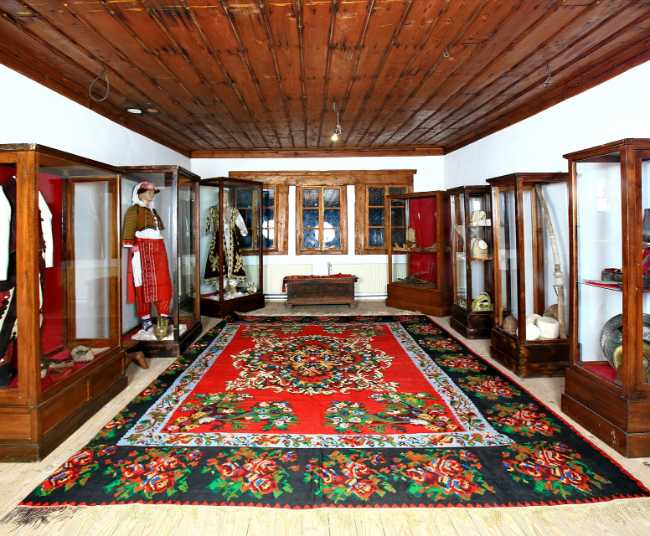
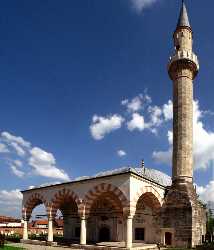
The Ethnographic Museum of Gjakova sits in the centre of Gjakova, housed in a traditional 19th-century Ottoman-style house that once belonged to a local family. You’ll find it near the municipal buildings, just a short walk from the main streets of the old town. Right nearby is the lively Grand Bazaar with its shops, crafts and atmosphere, along with the Hadum Mosque and the tower house of Abdullah Pashë Dreni that now serves as a tourist information point. A few minutes on foot brings you to other historic houses, the Tabak Bridge over the river and the quieter corners of the old quarter. Everything in the centre connects easily on foot, so after visiting the museum you can simply continue exploring Gjakova’s bazaar, mosques and traditional streets at a relaxed pace.
 Mosque
 Church
 Historical Landmark
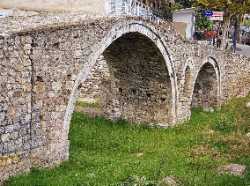 Bridge
 Tourist attraction