Church of St. Jerome
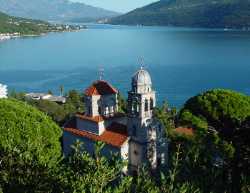
Church of St. Jerome is one of the quieter treasures of Herceg Novi, a refined Baroque church built in the early 18th century by local seafaring families. Its façade, framed by pale stone and a modest bell tower, reflects the influence of Venetian architecture that shaped much of the Adriatic coast. Though small, the church carries a sense of dignity and long‑standing devotion. Inside, the main attraction is the beautifully carved Baroque altar dedicated to St. Jerome, the great translator of the Bible. The central icon shows him with a lion—his traditional symbol—surrounded by delicate gilded ornamentation. The interior also preserves several paintings attributed to regional masters, including depictions of the Virgin Mary and coastal saints who were especially venerated by sailors. One of the most interesting details is the collection of marble memorial plaques along the walls. These inscriptions commemorate prominent Herceg Novi families and reveal how closely the church was tied to the town’s maritime history. The acoustics are another surprise: the small nave carries sound with remarkable clarity, making it ideal for intimate liturgical music.
Herceg Novi Montenegro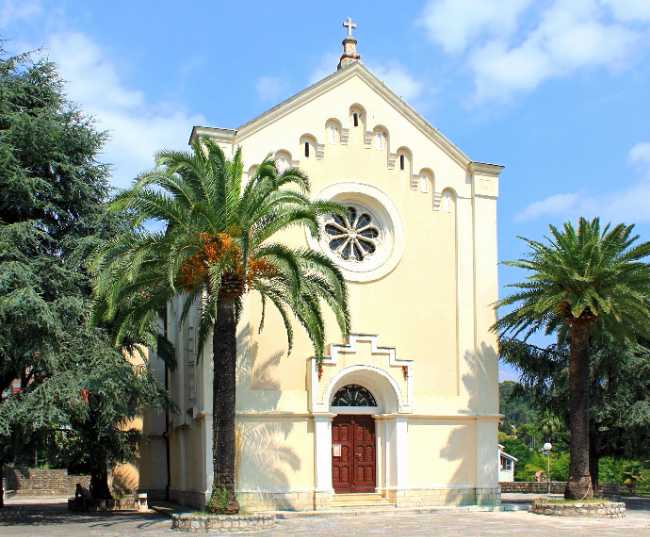
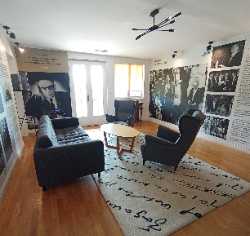
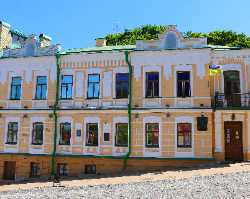
Church of St. Jerome in Herceg Novi is a small and very peaceful Catholic church tucked away in the lower part of the Old Town. It is located at Trg Sv. Jeronima, Marka Cara bb, Herceg Novi, Montenegro. The square itself is quiet and charming, just off the main waterfront promenade, so it feels like a little escape from the busy streets. The present church was built in the middle of the 19th century on the site of an old mosque and an even older 17th century church. Because it is right in the Old Town, you have a lot to see around it. Just a few steps away is the famous Forte Mare Fortress sitting right on the sea, and if you go up the stone steps you will reach Belavista Square with the Church of St. Michael the Archangel and the Sahat Kula Clock Tower. Very close by are also the Museum of the Old Town, the small Mikhail Bulgakov Museum, and higher up the hill Kanli Kula Fortress. If you continue along Marka Cara and Njegoseva Street you will also pass The House of Nobel laureate Ivo Andric and the Njegoseva Skola Museum.
 Museum
 Museum
 Museum
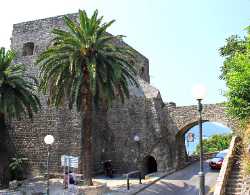 Fortress
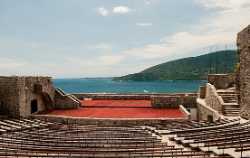 Fortress
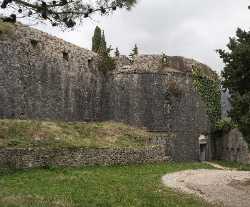 Fortress
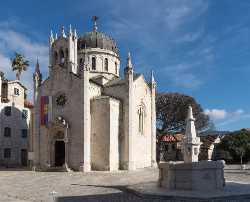 Church
 Monastery
 Theatre