Sarandë Museum of Archaeology
Sarandë’s Museum of Archaeology is a compact but fascinating gateway into the ancient history of Albania’s southern coast. Located near the waterfront, it showcases finds from the nearby city of Onhezmi—modern Sarandë—and from the wider region of Butrint, one of the most important archaeological zones in the Balkans. What makes the museum especially interesting is how it reveals the city’s layered past: Greek colonies, Roman villas, Byzantine fortifications, and early Christian communities all left their mark here. Inside, the first highlight is the collection of Hellenistic pottery, decorated with elegant black‑figure and red‑figure motifs. These pieces show how active Sarandë’s ancient port was in Mediterranean trade. Nearby, Roman-era household objects—bronze lamps, glass vessels, and finely worked bone tools—offer a glimpse into everyday life two thousand years ago. One of the most striking exhibits is the set of early Christian mosaics discovered in local basilicas. Their geometric patterns and symbolic motifs, though fragmentary, still carry a quiet beauty. The museum also preserves architectural fragments from Butrint: carved capitals, sections of marble flooring, and inscriptions that help reconstruct the city’s monumental spaces.
Sarandë Albania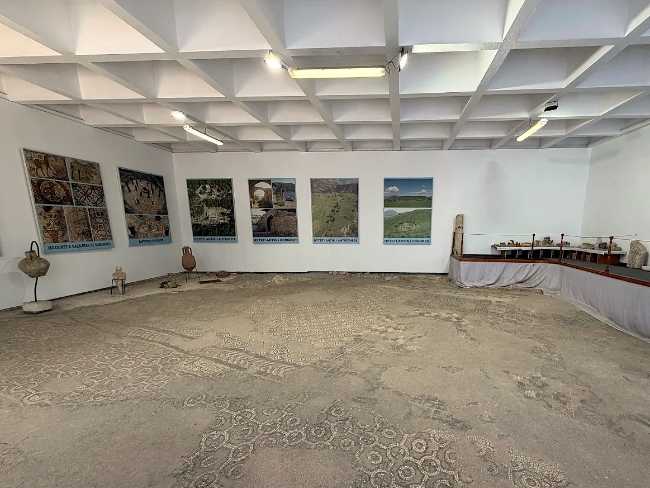
The Museum of Archaeology in Sarandë sits on Rruga Flamurit, just one block back from the harbour in the heart of the town centre. You’ll find it next to the old post office building, easy to spot while wandering the central streets.From here you’re already close to several other spots worth seeing. The Museum of Traditions and the Saranda Art Gallery are right nearby, forming a small cluster of cultural stops. A short walk takes you to the ruins of the ancient synagogue complex in the middle of town, while the seafront promenade and harbour sit just downhill. Higher up the hill, Lekursi Castle offers wide views over the bay, and further out you can reach the big archaeological site of Butrint. Everything feels walkable, so you can move easily from the mosaic museum to the waterfront, a gallery, the synagogue remains or the castle viewpoint without any rush.
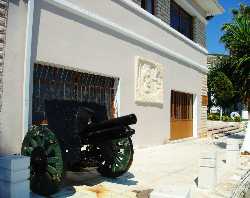 Museum
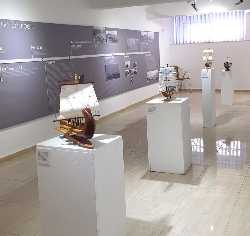 Gallery
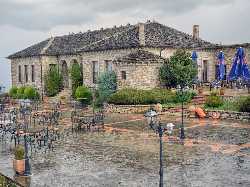 Castle
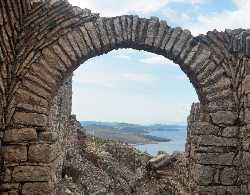 Monastery
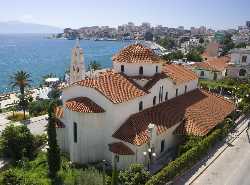 Church
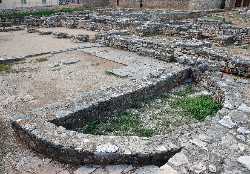 Historical Landmark