Archaeological Museum of Messenia
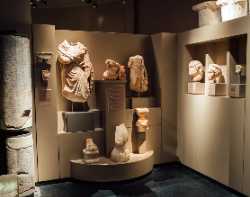
The Archaeological Museum of Messenia, housed in a restored neoclassical building in the heart of Kalamata, offers a vivid journey through the region’s deep past—from Mycenaean palaces and Classical sanctuaries to Roman villas and early Christian settlements. What makes the museum especially compelling is how clearly it presents Messenia as a crossroads of cultures, shaped by both its fertile plains and its strategic position between the Peloponnese and the Ionian world. Inside, the Mycenaean section stands out with pottery, tools, and burial offerings from the palace at Pylos, echoing the era of the legendary “Nestor.” The Classical and Hellenistic galleries display finely carved steles, votive reliefs, and figurines from rural shrines, revealing the religious life of ancient Messenian communities. A highlight is the collection of mosaics and domestic objects from Roman-era houses, which bring everyday life into sharp focus through intricate geometric floors and elegant glassware. The museum also includes finds from early Christian basilicas—crosses, lamps, and architectural fragments that mark the transition to a new spiritual landscape. Clear signage and thoughtful displays make the visit accessible and engaging.
Kalamata Greece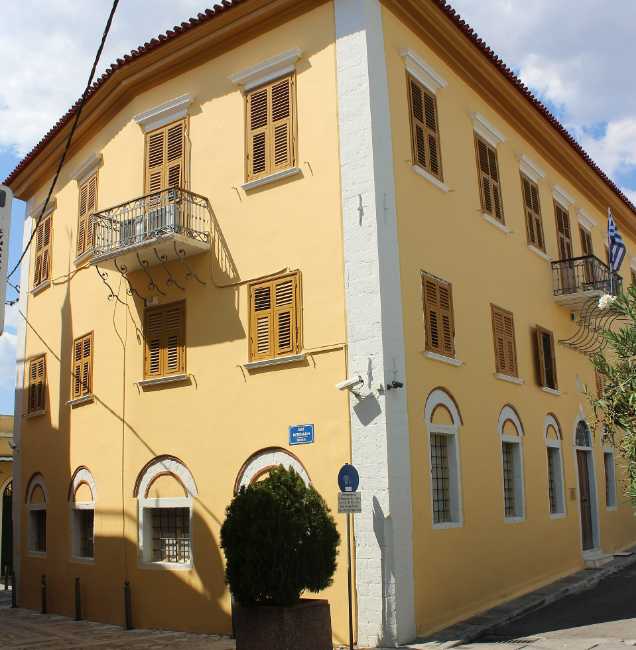
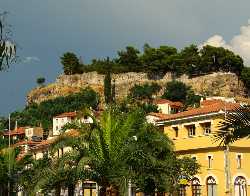
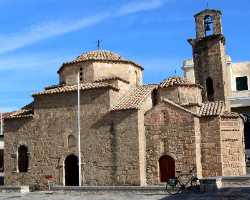
The Archaeological Museum of Messenia is located in Kalamata, a vibrant city in the southern Peloponnese region of Greece. You can find this modern cultural institution at Benaki and Agiou Ioannou 3, Kalamata 241 00, Greece. Housed in the rebuilt building of the old municipal market right in the historic center, it showcases fascinating prehistoric, Mycenaean, classical, and medieval artifacts collected from across the Messenia province. Its location in the heart of the historic old town makes it an ideal base for exploring nearby historical sites. Just a short walk up the street stands the Historical and Folklore Museum of Kalamata, which offers a look into traditional local life and regional crafts. Just around the corner is 23rd of March Square, home to the historic Church of the Holy Apostles, where the Greek War of Independence was declared in 1821.A brief walk further uphill brings you to the famous Kalamata Castle, a thirteenth-century Frankish fortress perched above the city that offers panoramic views over the old town roofs and the Messenian Gulf. Just below the castle walls, you can visit the Military Museum of Kalamata to learn about regional military history. Strolling down toward the commercial district leads to the Municipal Cultural Center, which houses local art galleries and libraries.
 Museum
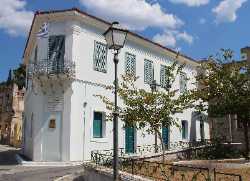
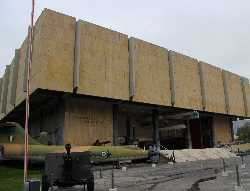
Military Museum of Kalamata
Museum
Military Museum of Kalamata
 Museum
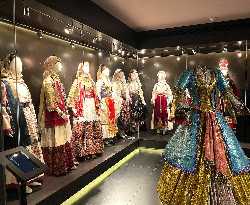
Victoria G. Karelias Collection of Greek Traditional Costumes
Museum
Victoria G. Karelias Collection of Greek Traditional Costumes
 Museum
Benakeion Archaeological Museum of Kalamata
Museum
Benakeion Archaeological Museum of Kalamata
 Museum
Kalamata Castle
Museum
Kalamata Castle
 Castle
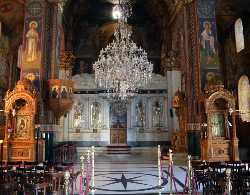
Cathedral Church of Ypapanti
Castle
Cathedral Church of Ypapanti
 Church
 of the Holy Apostles Kalamata
Church
Church of the Holy Apostles Kalamata
 Church
Kalamata Municipal Railway Park
Church
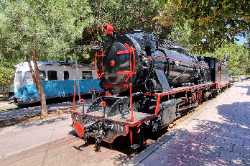
Kalamata Municipal Railway Park
 Museum