Banja Luka
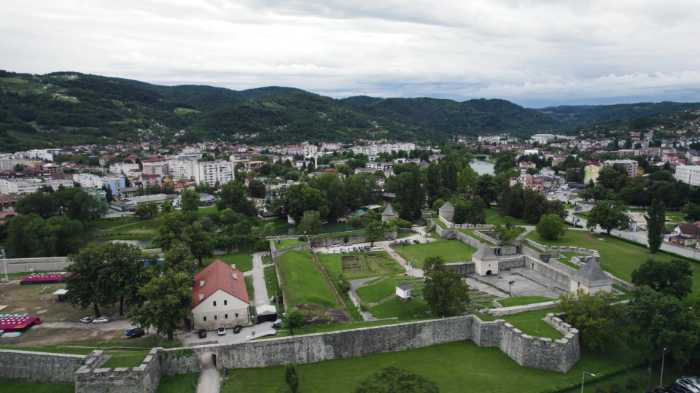
Banja Luka, the second-largest city in Bosnia and Herzegovina, is known for its tree-lined avenues, riverside promenades, and rich cultural heritage. Located on the banks of the Vrbas River, the city blends centuries of history with a lively modern atmosphere, making it one of the country's most appealing destinations for visitors. One of the city's most important cultural institutions is the Museum of Republika Srpska, which presents archaeological discoveries, historical artifacts, and ethnographic collections that tell the story of the region. Art lovers can visit the Museum of Contemporary Art of Republika Srpska, home to an impressive collection of modern and contemporary works by local and international artists. Another interesting attraction is the Railway Museum of Republika Srpska, where visitors can learn about the development of rail transport through historic locomotives, equipment, and photographs. The most recognizable historic monument in Banja Luka is Kastel Fortress, an impressive medieval fortress overlooking the Vrbas River. Originally built on the site of an ancient Roman settlement, the fortress has been expanded over the centuries by various rulers. Today, its stone walls, towers, and courtyards are open to visitors and regularly host concerts, festivals, and cultural events. Religious architecture also plays an important role in the city's identity. The Cathedral of Christ the Saviour dominates the city center with its golden domes and beautiful Serbian-Byzantine design. Nearby, the Ferhadija Mosque, originally constructed in the 16th century and carefully reconstructed after the Bosnian War, stands as one of the finest examples of Ottoman architecture in the Balkans. Walking through Banja Luka reveals many other historic landmarks, including Gospodska Street, the city's elegant pedestrian avenue lined with Austro-Hungarian buildings, shops, and cafés. The Banski Dvor Cultural Centre, once the residence of the Ban of Vrbas Banovina, remains one of the city's architectural treasures and hosts concerts, exhibitions, and cultural performances throughout the year. Nature is never far away in Banja Luka. The green banks of the Vrbas River provide opportunities for walking, cycling, rafting, and kayaking, while numerous parks and riverside cafés create a relaxed atmosphere. Combining fascinating museums, impressive historic monuments, beautiful religious architecture, and welcoming public spaces, Banja Luka offers visitors an enjoyable introduction to the cultural and historical heart of northern Bosnia and Herzegovina.
What to see in Banja Luka
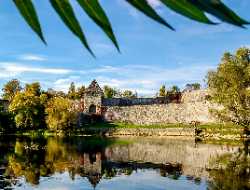 Castle
Cathedral of Christ the Saviour
Castle
Cathedral of Christ the Saviour
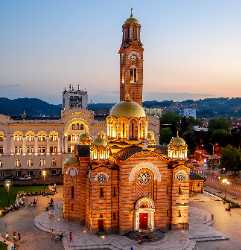 Cathedral
Ferhadija Mosque
Cathedral
Ferhadija Mosque
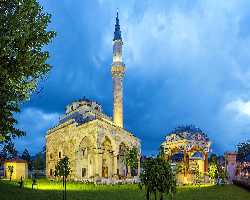 Mosque
Museum of the Republic of Srpska
Mosque
Museum of the Republic of Srpska
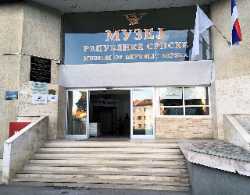 Museum
 of Contemporary Art of the Republic of Srpska
Museum
Museum of Contemporary Art of the Republic of Srpska
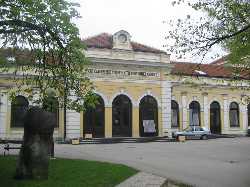 Museum
Etno selo Ljubačke doline
Museum
Etno selo Ljubačke doline
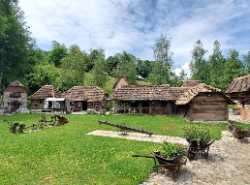 Museum
Mladen Stojanović Park
Museum
Mladen Stojanović Park
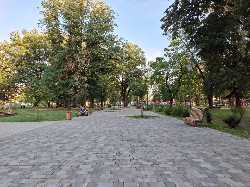 Park
National Theatre of the Republic of Srpska
Park
National Theatre of the Republic of Srpska
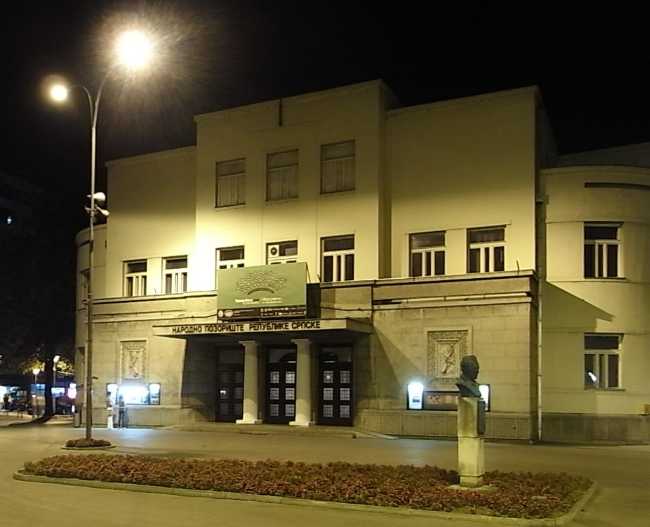 Theatre