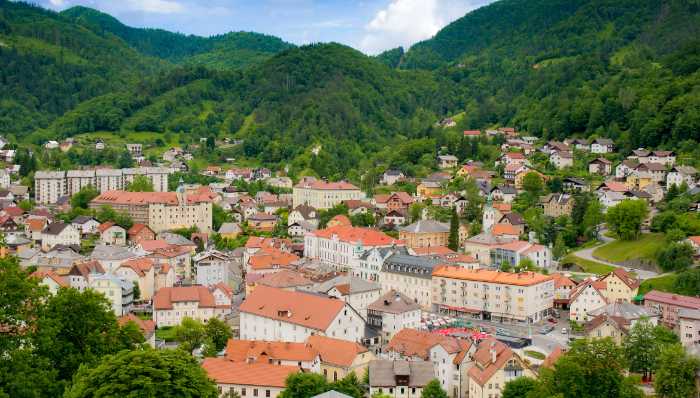
Idrija
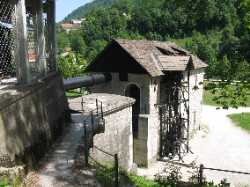
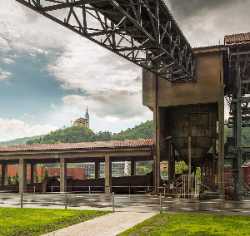
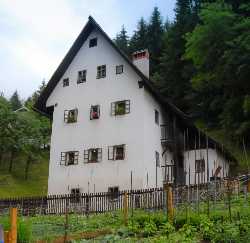
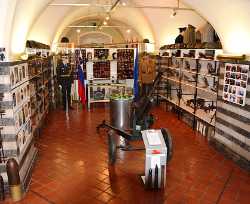
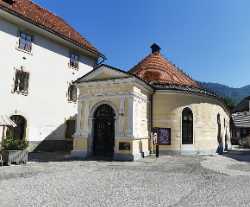
Idrija is a historic town in western Slovenia, nestled among the forested hills of the Idrija Basin. The town is internationally renowned for its mercury mine, one of the largest and oldest mercury mines in the world. Together with the Spanish mining town of Almadén, Idrija is recognized as a UNESCO World Heritage Site, reflecting its global importance in the history of mining and technology. The discovery of mercury in Idrija at the end of the 15th century transformed a small settlement into one of Europe's most significant mining centers. For more than five centuries, the mine influenced the economic, social, and cultural development of the region. Today, visitors can explore this remarkable heritage through several museums and historic attractions. The most important museum in the town is the Idrija Municipal Museum, located within the impressive Gewerkenegg Castle. Built in the 16th century as the administrative headquarters of the mercury mine, the castle remains one of Idrija's most recognizable landmarks. The museum presents exhibitions on mining history, local culture, lace-making traditions, and the development of the town. Another fascinating attraction is the Anthony's Main Road Mining Museum, where visitors can descend into part of the historic mine and learn about the challenging conditions faced by generations of miners. The Idrija Lace School Museum offers insight into the town's famous lace-making tradition, a craft that has become an important symbol of Idrija and is recognized throughout Slovenia and beyond. Among the town's religious monuments, the Church of the Holy Trinity occupies a special place in local history. According to tradition, it stands near the site where mercury was first discovered. The Church of St. Barbara, dedicated to the patron saint of miners, is another important historic building connected to Idrija's mining heritage. Several historic landmarks help tell the story of the town. Kamšt, one of the largest preserved wooden water wheels in Europe, once powered mining equipment and remains a remarkable example of industrial engineering. The Idrija Mine Smelting Plant illustrates the technological processes used in mercury production, while the famous Idrija Miner's House provides a glimpse into the everyday life of mining families. Another notable landmark is Rake, a historic water channel system built to supply water to mining facilities. Beyond its industrial heritage, Idrija is surrounded by beautiful natural landscapes, offering opportunities for hiking, cycling, and outdoor exploration. Visitors can enjoy the contrast between the town's technological history and the scenic countryside that surrounds it. Today, Idrija successfully preserves its unique legacy through its museums, historic buildings, and cultural traditions. Its castle, churches, mining monuments, and UNESCO-listed heritage make it one of Slovenia's most distinctive and historically significant destinations.
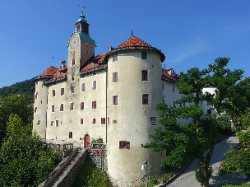 Castle
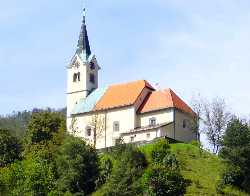 Church
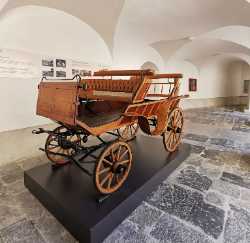 Museum
 Museum
 Museum
 Museum
 Museum
 Theatre