Rudniško gledališče Idrija
Rudniško gledališče is one of Idrija’s most unusual cultural treasures—a miners’ theatre built not for aristocrats but for the working community that powered the mercury mine. Established in the 18th century, it is considered one of the oldest workers’ theatres in Europe, a rare example of early cultural self‑organization among miners who sought education, entertainment, and social cohesion after long shifts underground. The building itself reflects this dual identity. Its modest exterior hides a surprisingly refined interior, shaped by local craftsmen who combined practical materials with touches of Baroque decoration. One of the most interesting facts is that miners performed plays here that blended humour, moral lessons, and mining folklore, creating a repertoire unique to Idrija. Inside, visitors can explore the historic stage, reconstructed seating, and archival displays that show how theatre became a vital part of community life. Costumes, scripts, and photographs reveal the creativity of amateur actors who used performance to strengthen solidarity and preserve local stories. The museum section also highlights the role of the theatre during periods of political change, when cultural expression offered both escape and subtle commentary.
Idrija Slovenia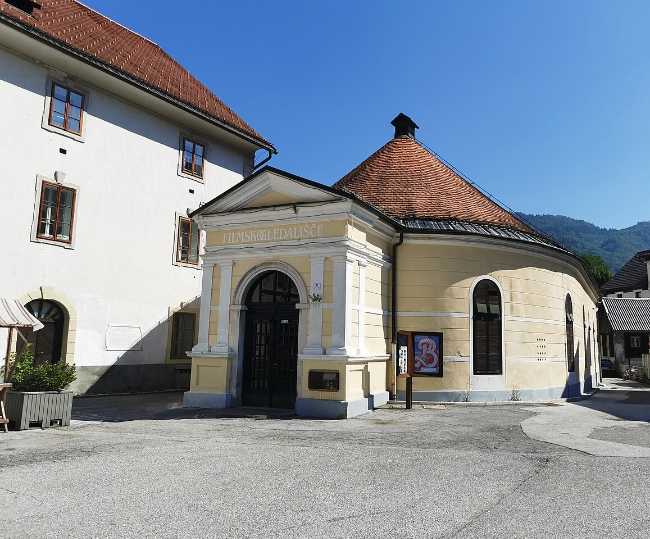
Rudniško gledališče, the Idrija Miners’ Theatre, is located in the center of Idrija, a historic town in western Slovenia’s Idrijca Valley surrounded by forested hills. Built in 1769, it is considered one of the oldest theater buildings in Slovenia and was founded for the town’s mining community. The theater stands near the former mine administration and workers’ quarters, reflecting how culture and social life developed alongside the mercury mine that shaped Idrija for over 500 years. Just steps away is Anthony’s Main Road, the oldest preserved mine entrance in Europe, where tours lead into authentic 16th-century tunnels. Up the hill, Gewerkenegg Castle houses the Idrija Municipal Museum with exhibitions on mining, geology, and Idrija lace. Nearby you’ll also find the Kamšt, the largest preserved wooden mine water pump in Europe, and the Hg Smelting Plant Museum, which shows how ore was turned into mercury. The Church of St. Anthony of Padua and the miners’ church of St. Barbara are in the center, along with the Idrija Lace School and gallery. For nature, Wild Lake is close by, and trails of the Idrija UNESCO Global Geopark cross the surrounding hills. Rudniško gledališče adds a cultural layer to Idrija’s UNESCO heritage, showing how art and community thrived alongside industry.
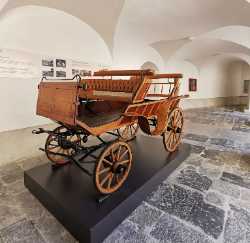 Museum
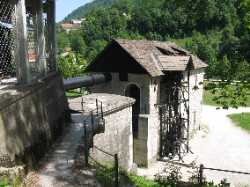 Museum
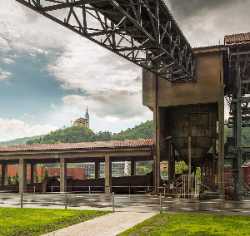 Museum
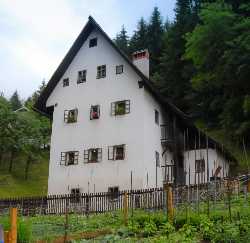 Museum
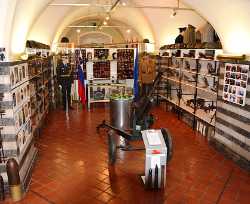 Museum
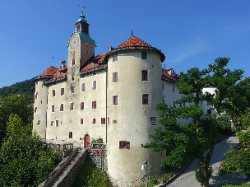 Castle
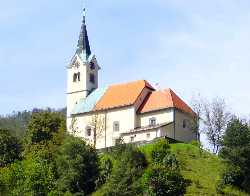 Church