Church of St. Anthony of Padua
Church of St. Anthony of Padua is one of Idrija’s most distinctive landmarks, rising above the town with its bright façade and elegant twin towers. Built in the 17th century, it reflects the prosperity brought by the mercury mine and the strong spiritual life of the community. One of the most interesting facts is that the church was financed partly by miners themselves, who saw St Anthony as a protector in dangerous underground work. Inside, the atmosphere shifts from Baroque grandeur to quiet intimacy. The main altar, dedicated to St Anthony, features expressive sculptures and gilded details that highlight the saint’s role as a guide and intercessor. Side altars display paintings by regional artists, including works linked to Idrija’s Baroque workshops, which blended Central European and Venetian influences. A highlight is the ceiling fresco cycle, depicting scenes from St Anthony’s life with vivid colours and dynamic composition. These frescoes were restored with great care, revealing layers of artistry that had darkened over time. The church also preserves a fine collection of liturgical objects—chalices, vestments, and silverwork—that illustrate Idrija’s blend of mining wealth and religious devotion.
Idrija Slovenia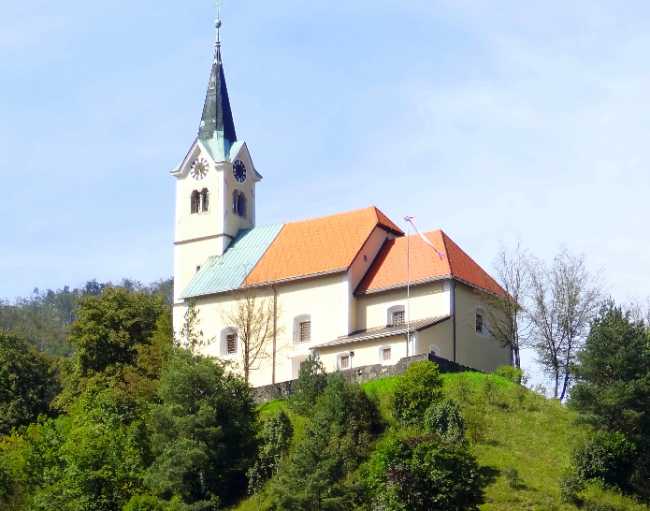
The Church of St. Anthony of Padua stands in the historic center of Idrija, a town in western Slovenia set in the narrow Idrijca Valley and surrounded by forested hills. Built in the 17th century, the church is located near the old mining district and was closely tied to the mercury miners who lived and worked here. Its Baroque facade and bell tower rise above the town’s traditional houses, while the interior features period altars, paintings, and details that reflect the miners’ devotion to their patron saints. Just a short walk away is Anthony’s Main Road, the oldest preserved mine entrance in Europe, where tours lead into authentic 16th-century tunnels. Up the hill, Gewerkenegg Castle houses the Idrija Municipal Museum with exhibitions on mining, geology, and the town’s famous lace. Nearby are the Kamšt, the largest preserved wooden mine water pump in Europe, and the Hg Smelting Plant Museum, which explains how ore was turned into mercury. The miners’ church of St. Barbara and the Idrija Lace School are also in the center. For nature, Wild Lake is close by, and the Idrija UNESCO Global Geopark offers trails through the surrounding hills. The Church of St. Anthony of Padua adds a spiritual dimension to Idrija’s rich mining and cultural heritage.
 Museum
 Museum
 Museum
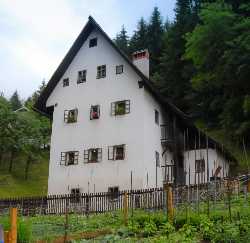 Museum
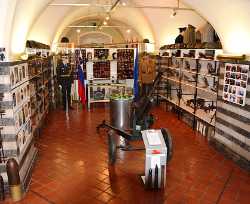 Museum
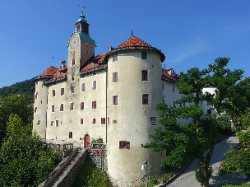 Castle
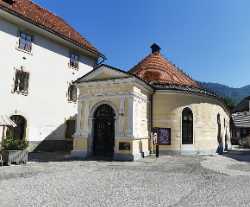 Theatre