Gewerkenegg Castle
Gewerkenegg Castle is the architectural symbol of Idrija and the place where the town’s mining story unfolds with unusual elegance. Built in the early 16th century as the administrative seat of the mercury mine, the castle was never meant for nobility—it was designed for engineers, managers, and clerks who oversaw one of Europe’s most important industrial operations. Its long, fortress‑like shape and thick walls reflect both security needs and the prestige of the mine. Inside, the castle houses the Idrija Municipal Museum, offering a rich journey through mining technology, geology, and local life. One of the most interesting facts is that the castle once stored precious mercury in specially secured rooms, making it a key point in global trade networks. Today, visitors can explore detailed models of mining shafts, historic documents, and tools that reveal how miners worked deep underground. A highlight is the section dedicated to Idrija lace, where delicate patterns and historic bobbins show how artistry flourished alongside heavy industry. The castle’s corridors also display maps, portraits, and stories of the engineers who shaped Idrija’s development.
Idrija Slovenia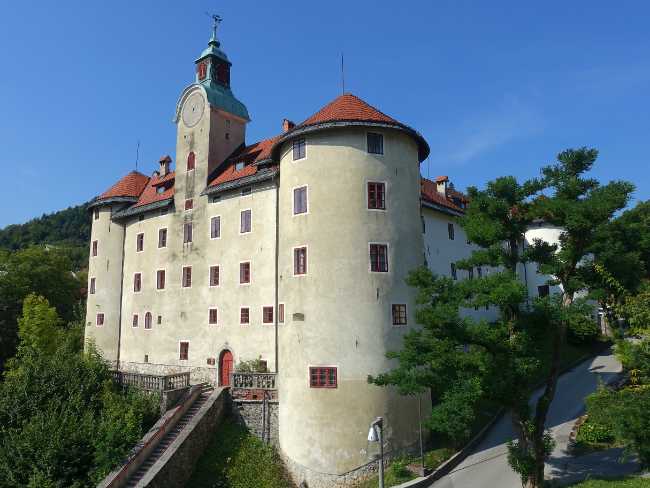
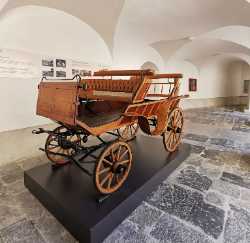
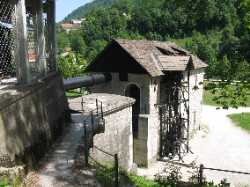
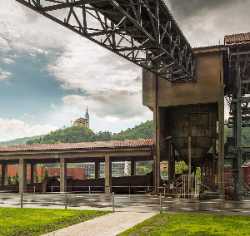
Gewerkenegg Castle stands on a hill above the town of Idrija in western Slovenia, overlooking the Idrijca Valley and its red-roofed houses. Built in the early 16th century as the administrative center and warehouse for the Idrija mercury mine, the castle is one of the town’s most recognizable landmarks. Today the castle is home to the Idrija Municipal Museum. Inside, exhibitions trace more than 500 years of mercury mining, from geology and technology to the daily life of miners and their families. The museum also showcases Idrija’s famous lace-making tradition, a delicate handcraft that developed alongside mining and is now part of Slovenia’s cultural heritage. Period rooms and castle interiors add to the atmosphere, and the views from the terrace stretch over the town and surrounding hills. Just below the castle is Anthony’s Main Road, the oldest preserved mine entrance in Europe, where guided tours lead into original 16th-century tunnels. Nearby you’ll find the Kamšt, the largest preserved wooden mine water pump in Europe, and the miners’ church of St. Barbara. In the center, the Idrija Lace School and gallery continue the craft tradition, while the Hg Smelting Plant Museum explains how ore became mercury.
 Museum
 Museum
 Museum
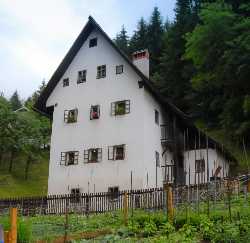 Museum
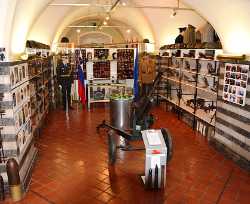 Museum
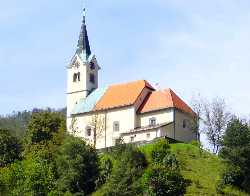 Church
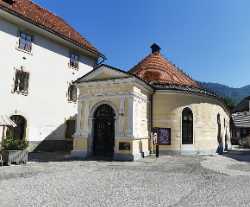 Theatre