Vojni muzej Idrija
Vojni muzej Idrija offers a surprisingly rich look at how a small mining town found itself shaped by major European conflicts. Set in a historic building near the old mine, the museum traces Idrija’s military story from the Napoleonic era to the 20th century, showing how strategic geography and valuable mercury deposits drew the attention of empires. One of the most interesting facts is Idrija’s role during World War I, when the town became part of the Isonzo Front’s supply network. The museum preserves uniforms, field equipment, and personal items from soldiers who served in the Austro‑Hungarian army. Detailed maps and trench models help visitors understand the dramatic terrain of the nearby battlefields. Inside, you can also explore exhibits on World War II, including resistance activities, underground printing, and the complex political landscape of occupied Slovenia. Archival photographs and diaries add a human dimension, revealing how ordinary families navigated fear, scarcity, and shifting borders.
Idrija Slovenia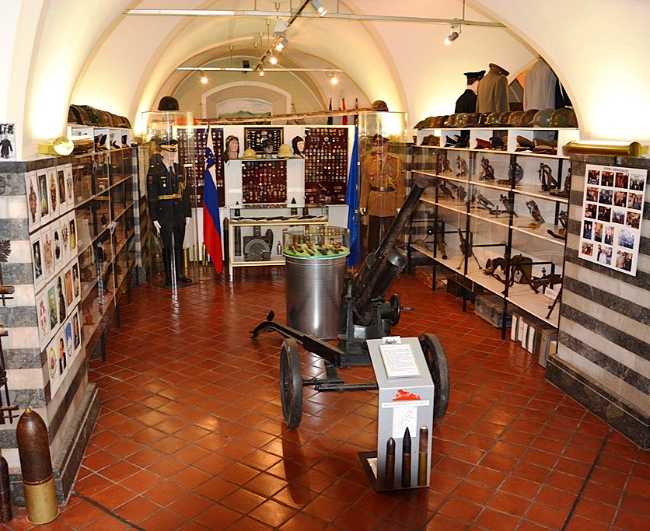
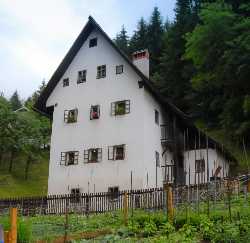
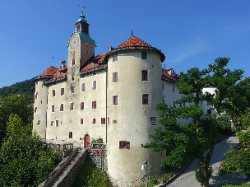
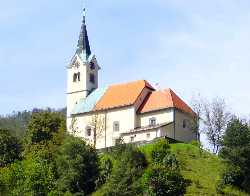
Vojni muzej, the Idrija Military Museum, is located in the town of Idrija in western Slovenia, set in the Idrijca Valley and surrounded by forested hills. The museum is housed in a former military facility close to the town center, making it easy to reach on foot from the main square. Its collection focuses on the military history of the region, covering both World Wars, the interwar period, and the 1991 Slovenian War of Independence. Because of Idrija’s strategic position, the museum provides context for how global events reached this mining town. Displays explain the town’s role during Italian occupation, partisan resistance in the surrounding hills, and the defense activities of 1991. The setting itself adds atmosphere, with preserved rooms and outdoor areas used for larger pieces. Nearby, you can explore the core of Idrija’s UNESCO heritage. A short walk leads to Anthony’s Main Road, the oldest preserved mine entrance in Europe, and to Gewerkenegg Castle, home to the Idrija Municipal Museum with its mining and lace exhibitions. The Kamšt wooden water pump stands by the river, and the miners’ church of St. Barbara is in the center. The Hg Smelting Plant Museum and Rudarska hiša, the traditional Miner’s House, complete the story of daily life around the mine. For nature, Wild Lake is close by, and trails of the Idrija UNESCO Global Geopark cross the surrounding hills.
 Museum
 Museum
 Museum
 Museum
 Castle
 Church
 Theatre