Hg Smelting Plant Museum
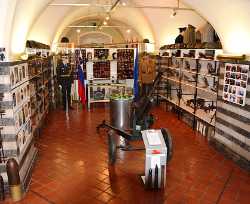
The Hg Smelting Plant Museum in Idrija is one of the most compelling industrial heritage sites in Slovenia, offering a close look at how mercury was processed in a town that supplied the world for centuries. The plant operated from the 18th century onward, and its preserved machinery shows the evolution from early manual techniques to complex thermal systems designed to extract mercury from cinnabar ore. Inside, visitors can explore the roasting furnaces, where ore was heated to release mercury vapour. These massive brick structures are among the museum’s most striking features, revealing the scale and intensity of smelting work. Equally fascinating is the condensation system, a network of pipes and cooling chambers where mercury droplets were collected—an ingenious solution that allowed Idrija to become a global centre of production. The museum also presents protective gear, measuring instruments, and archival photographs that illustrate the dangers of mercury exposure and the strict procedures miners and smelters followed. A highlight is the demonstration of how liquid mercury was stored and transported, showing its unusual weight and behaviour.
Idrija Slovenia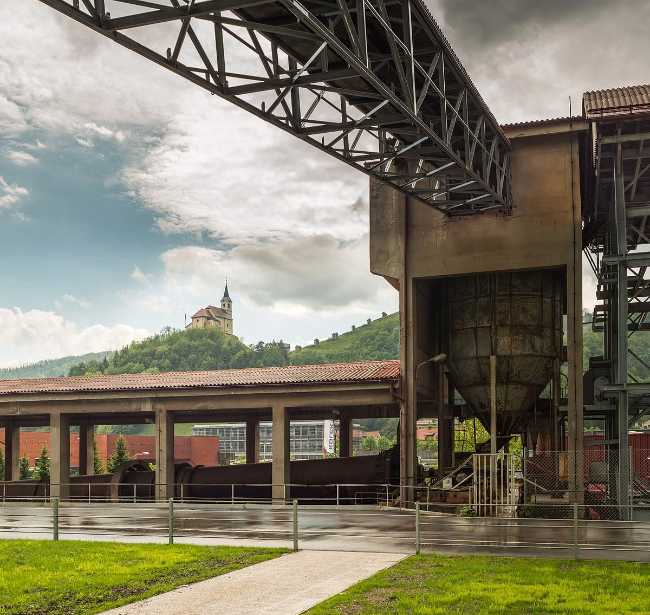
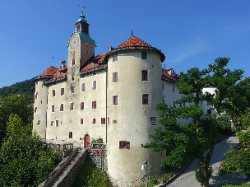
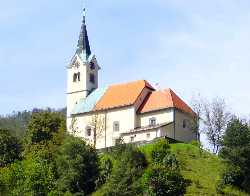
The Hg Smelting Plant Museum is located in Idrija, a historic town in western Slovenia’s Idrijca Valley, surrounded by forested hills. The museum occupies the preserved part of the old mercury smelting plant that operated alongside the Idrija mercury mine, once the second-largest in the world. Situated near the town center along the Idrijca river, the site shows how raw cinnabar ore was processed into liquid mercury for over 500 years. The museum highlights the ingenuity of past engineers while also addressing the health risks miners and smelters faced. Just a short walk away is Anthony’s Main Road, the oldest preserved mine entrance in Europe, where guided tours lead into authentic 16th-century tunnels. The Idrija Municipal Museum in Gewerkenegg Castle sits above town and covers the broader story of mining, lace-making, and local history. Nearby you’ll also find the Kamšt, the largest preserved wooden mine water pump in Europe, and St. Barbara’s Church. In the center, the Idrija Lace School and gallery celebrate the town’s delicate handcraft tradition. For nature, Wild Lake offers a striking karst spring, and the Idrija UNESCO Global Geopark has trails through the surrounding hills.
 Museum
 Museum
 Museum
 Museum
 Castle
 Church
 Theatre