Linz Castle
Linz Castle, perched above the Danube, is one of the city’s oldest landmarks and a place where centuries of Upper Austrian history unfold under one roof. First mentioned in the 9th century and later expanded by Emperor Frederick III, the castle has served as a fortress, imperial residence, and administrative centre. After a major fire in 1800, it was rebuilt in a more restrained style, giving the complex its current mix of medieval foundations and 19th‑century architecture. Inside, the Castle Museum offers one of Austria’s most comprehensive regional collections. Visitors can explore prehistoric artefacts, Roman finds, medieval weaponry, and intricately carved Gothic sculptures that reveal the area’s artistic heritage. The permanent exhibition on Upper Austrian culture traces everything from traditional crafts and rural life to industrial development and modern design. A highlight is the natural history section, where geological formations, fossils, and wildlife displays illuminate the region’s diverse landscapes. The castle courtyard provides sweeping views over Linz, while the modern south wing, added in 2009, contrasts the historic structure with clean lines and glass façades.
Linz Austria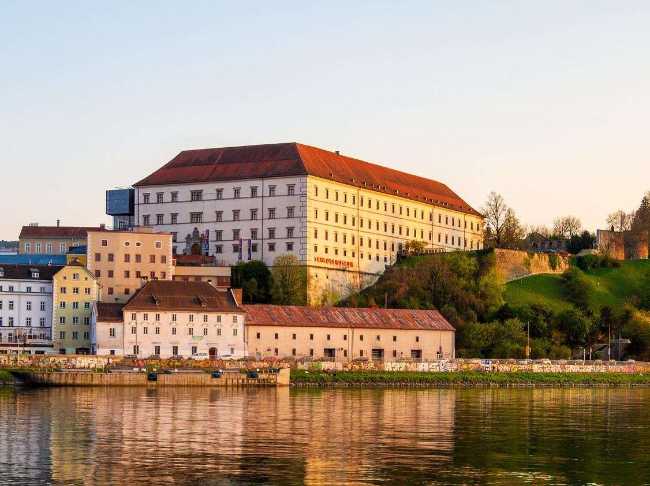
Linz Castle stands on a hill above the Danube in Linz, Austria, overlooking the old town and river valley. Built on the site of a Roman fort, the castle’s current form dates largely to the 15th century under Emperor Friedrich III, with later additions after a 19th-century fire. Today its mix of medieval, Renaissance, and modern glass architecture houses the Schlossmuseum, part of the Upper Austrian State Museum. Inside, you’ll find extensive collections on the region’s art, cultural history, technology, and nature — from prehistoric artifacts to contemporary works. The south wing’s panoramic terrace is a highlight, giving wide views over Linz, the Danube, and on clear days toward the Alps. The castle’s location puts you right next to key Linz attractions. Just below is the historic Altstadt with cobbled lanes, Hauptplatz, and the baroque Trinity Column. The Old Cathedral and New Cathedral are both a short walk downhill. Cross the Nibelungen Bridge to reach the Ars Electronica Center and Lentos Art Museum on the opposite Danube bank. Pöstlingberg hill with its pilgrimage basilica and Grottenbahn is visible from the terrace and easy to reach by tram. The riverside setting means you can pair castle history with old town charm, Danube walks, and Linz’s modern art scene.
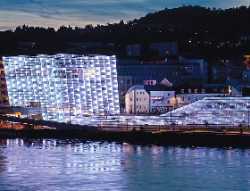 Museum
Lentos Kunstmuseum Linz
Museum
Lentos Kunstmuseum Linz
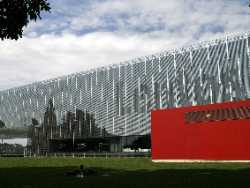 Museum
Nordico Stadtmuseum
Museum
Nordico Stadtmuseum
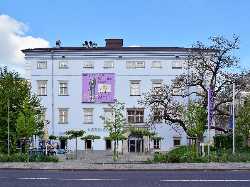 Museum
FC Francisco Carolinum Linz
Museum
FC Francisco Carolinum Linz
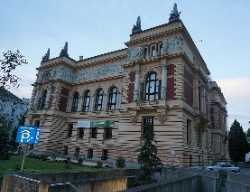 Museum
Stifterhaus
Museum
Stifterhaus
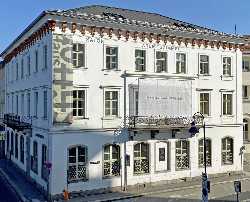 Museum
voestalpine Stahlwelt
Museum
voestalpine Stahlwelt
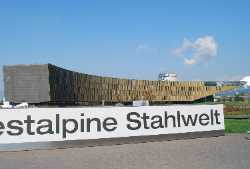 Museum
Pöstlingbergbahn-Museum
Museum
Pöstlingbergbahn-Museum
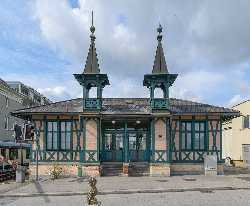 Museum
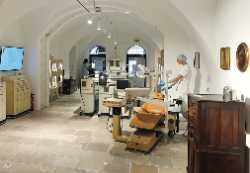
Zahnmuseum Linz
Museum
Zahnmuseum Linz
 Museum
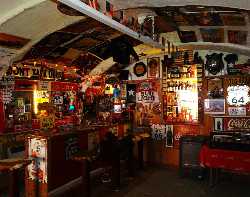
Cowboy Museum Fatsy
Museum
Cowboy Museum Fatsy
 Museum
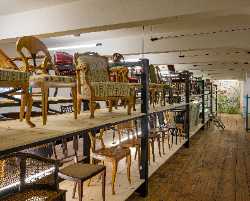
Schaudepot der Museen der Stadt Linz
Museum
Schaudepot der Museen der Stadt Linz
 Museum
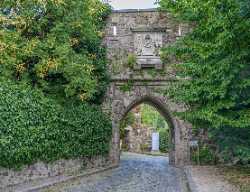
Friedrichstor mit Wappenstein
Museum
Friedrichstor mit Wappenstein
 Historical Landmark
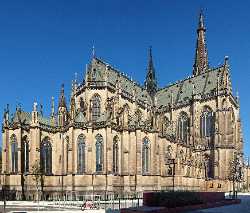
New Cathedral
Historical Landmark
New Cathedral
 Cathedral
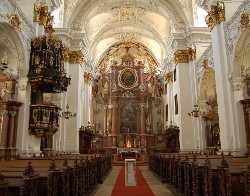
Alter Dom
Cathedral
Alter Dom
 Church
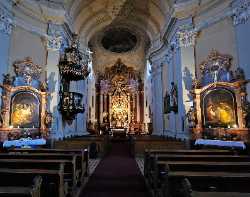
Wallfahrtsbasilika Sieben Schmerzen Mariae
Church
Wallfahrtsbasilika Sieben Schmerzen Mariae
 Church
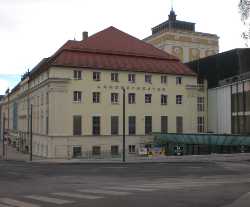
Landestheater Linz
Church
Landestheater Linz
 Theatre
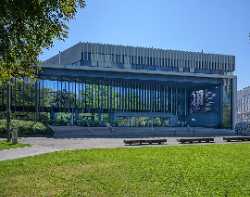
Musiktheater Linz
Theatre
Musiktheater Linz
 Theatre
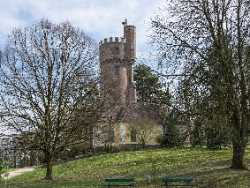
Freinberg Park
Theatre
Freinberg Park
 Park
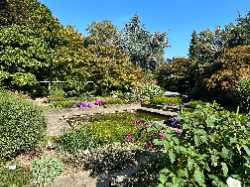
Linz Botanical Garden
Park
Linz Botanical Garden
 Botanical Garden
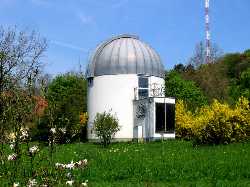
Johannes-Kepler-Sternwarte Linz
Botanical Garden
Johannes-Kepler-Sternwarte Linz
 Observatory