Brukenthal National Museum
The Brukenthal National Museum, housed in the elegant Baroque palace of Governor Samuel von Brukenthal, is one of Romania’s oldest and most prestigious cultural institutions. Opened to the public in 1817, it predates many major European museums and reflects the refined tastes of its founder, who collected art, books, and curiosities during his diplomatic career. Inside the palace, visitors move through richly decorated rooms featuring stucco ceilings, ornate furniture, and carefully preserved interiors. The European Art Gallery is the highlight: paintings by Flemish, Dutch, Italian, and German masters form one of the most valuable collections in Southeast Europe. One of the most interesting facts is that Brukenthal’s collection remained intact despite political upheavals, thanks to meticulous cataloguing and the palace’s early transformation into a museum. The Romanian Art Gallery showcases works by major national painters, while the Treasury Room displays silverware, jewelry, and ceremonial objects that reveal Transylvanian craftsmanship. The palace also houses temporary exhibitions, often focusing on rare manuscripts, historical maps, or contemporary art.
Sibiu Romania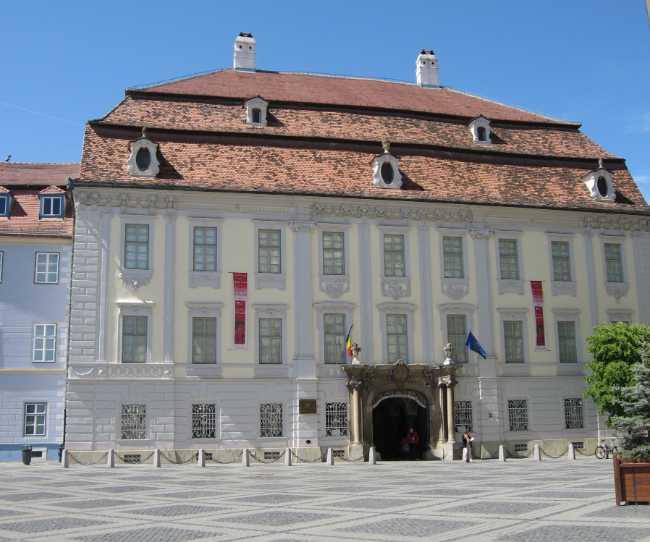
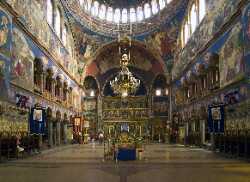
Brukenthal National Museum occupies the late-Baroque Brukenthal Palace on Piața Mare 5, in the heart of Sibiu’s old town. Founded in 1817 from Baron Samuel von Brukenthal’s private collections, it is Romania’s oldest museum and one of the most important. The palace itself, built in the 1780s as the governor’s residence, houses European art galleries with works from the 15th to 18th centuries — Flemish, Dutch, German, Austrian, Italian, Spanish, and French schools — plus Romanian art, engravings, rare books, and minerals. Beyond the main palace, the museum complex includes separate sites for history, natural sciences, pharmacy, and contemporary art across Sibiu. You step directly into Piața Mare, Sibiu’s grand main square surrounded by pastel baroque buildings, cafés, and the Council Tower, which offers panoramic views if you climb it. From here, Piața Mică and the Bridge of Lies are a short walk, known for ironwork and local legend. The Gothic Lutheran Cathedral of Saint Mary dominates Huet Square, while the Orthodox Cathedral with its striking domes sits on nearby Unirii Square. The Passage of Stairs and the medieval fortifications connect the upper and lower town. Other highlights close by include the History Museum in Altemberger House, the Pharmacy Museum, and the Museum of Contemporary Art. A few kilometers south in Dumbrava Forest is the ASTRA National Museum Complex, Europe’s largest open-air ethnographic museum.
 Museum
Altemberger House History Museum
Museum
Altemberger House History Museum
 Museum
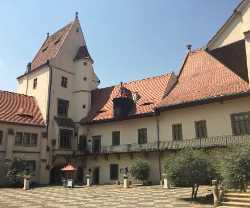
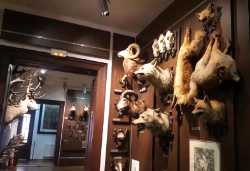
Natural History Museum Sibiu
Museum
Natural History Museum Sibiu
 Museum
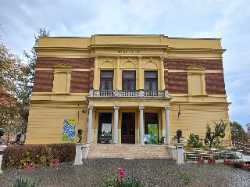
 of Pharmaceutical History
Museum
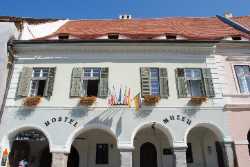
Museum of Pharmaceutical History
 Museum
 of Contemporary Art Sibiu
Museum
Museum of Contemporary Art Sibiu
 Museum
Sibiu Steam Engines Museum
Museum
Sibiu Steam Engines Museum
 Museum
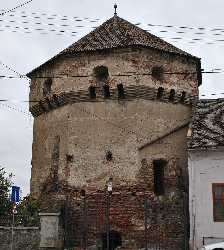
Tanners Tower
Museum
Tanners Tower
 Fortress
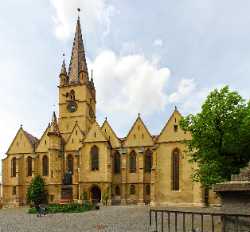
Saint Mary Evangelical Cathedral
Fortress
Saint Mary Evangelical Cathedral
 Cathedral
Holy Trinity Roman Catholic Church
Cathedral
Holy Trinity Roman Catholic Church
 Church