Altemberger House History Museum
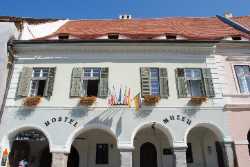
Altemberger House, home to Sibiu’s History Museum, is one of the most impressive Gothic civic buildings in Transylvania. Built in the late 15th century for Mayor Thomas Altemberger, it later became the city hall and remained a center of administration for centuries. Its fortified appearance—arched gateways, thick walls, and an inner courtyard—reflects Sibiu’s medieval wealth and autonomy. Inside, visitors explore a rich sequence of rooms dedicated to archaeology, urban history, and guild traditions. One of the most interesting facts is that the museum preserves artifacts from the earliest settlements in the region, including Dacian tools, Roman ceramics, and medieval weaponry found during excavations around the city walls. The Gothic hall, with its ribbed vaults and stone columns, is a highlight that still carries the atmosphere of Sibiu’s political life. The museum also showcases guild insignia, ceremonial chests, and finely crafted objects that illustrate how craftsmen shaped the city’s identity. A detailed model of medieval Sibiu helps visitors understand the defensive system and the layout of the old quarters. Upstairs, exhibits on daily life—coins, clothing, household items—paint a vivid picture of how Sibiu’s inhabitants lived across the centuries.
Sibiu Romania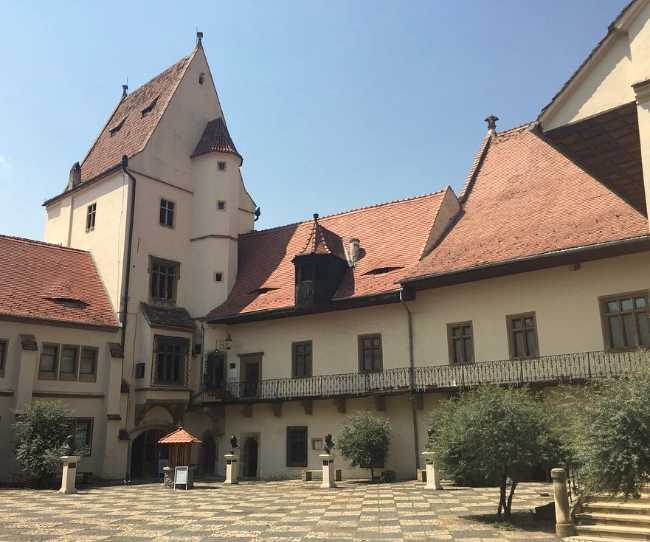
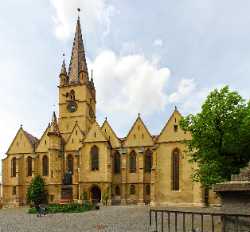
Altemberger House History Museum occupies Strada Mitropoliei 2 in Sibiu’s old town, set in the former City Hall known as Casa Altemberger. Built at the end of the 15th century by mayor Thomas Altemberger and expanded over time, it is one of Romania’s finest examples of Gothic civil architecture. The building served as Sibiu’s town hall for 400 years, from 1545 to 1948, and now hosts the History section of the Brukenthal National Museum. Inside, ten wings and a guard tower display exhibitions on archaeology, medieval life, guilds, coins, weapons, and glasswork. Highlights include the Roman and medieval lapidariums, a treasury of liturgical silver, and displays on the national emancipation movement in Transylvania. The museum is steps from many of Sibiu’s top sights. Opposite is the Lutheran Cathedral of Saint Mary, a 14th-century Gothic church with the tomb of Mihnea Vodă, son of Vlad Țepeș. A short walk brings you to Piața Mare, the grand main square with the Brukenthal National Museum in the baroque Brukenthal Palace and the Council Tower offering panoramic views. Nearby Piața Mică features the Bridge of Lies and colorful medieval houses. The Passage of Stairs connects the upper and lower towns, while the Orthodox Cathedral, Pharmacy Museum, and Museum of Natural History are all close by. From here you can explore Sibiu’s Saxon heritage, cobbled streets, and vibrant café scene.
 Museum
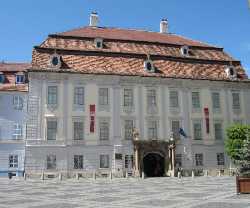
Brukenthal National Museum
Museum
Brukenthal National Museum
 Museum
Natural History Museum Sibiu
Museum
Natural History Museum Sibiu
 Museum
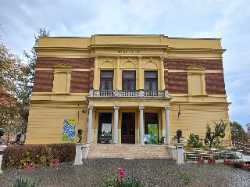
 of Pharmaceutical History
Museum
Museum of Pharmaceutical History
 Museum
 of Contemporary Art Sibiu
Museum
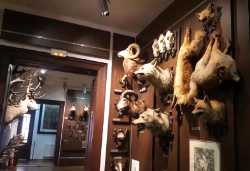
Museum of Contemporary Art Sibiu
 Museum
Sibiu Steam Engines Museum
Museum
Sibiu Steam Engines Museum
 Museum
Tanners Tower
Museum
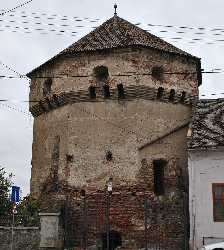
Tanners Tower
 Fortress
Saint Mary Evangelical Cathedral
Fortress
Saint Mary Evangelical Cathedral
 Cathedral
Holy Trinity Roman Catholic Church
Cathedral
Holy Trinity Roman Catholic Church
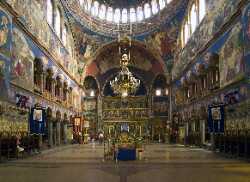 Church