Timișoara Astronomical Observatory
Timișoara Astronomical Observatory is a small but captivating scientific landmark, offering a quiet window into the night sky right in the middle of the city. Founded in the 1960s, it was one of Romania’s earliest public observatories, created to bring astronomy closer to everyday visitors. An interesting fact is that its original telescope, still preserved, was custom‑built for educational use and has helped generations of students observe the Moon, planets, and bright stars. Inside, the main attraction is the observation room, where modern telescopes allow visitors to explore celestial objects during scheduled viewing nights. The dome’s mechanism, operated manually, adds a nostalgic charm and shows how traditional observatories functioned before digital automation. Exhibits around the hall present meteorite fragments, star charts, and photographs taken by local astronomers, illustrating the evolution of amateur astronomy in Banat. A small educational space hosts talks and demonstrations, often focusing on planetary motion, eclipses, and seasonal constellations. The observatory’s intimate scale makes the experience personal: you stand close to the instruments, hear the dome shift, and watch the sky reveal itself slowly. It remains a welcoming place for anyone curious about astronomy and the quiet beauty of the cosmos.
Timișoara Romania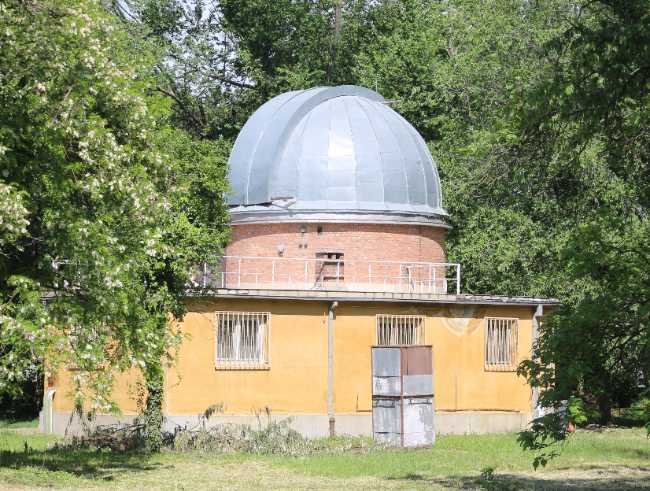
The Timișoara Astronomical Observatory is located in the northern part of the city, in the Tipografilor neighborhood, near the Calea Aradului area. It was inaugurated in 1965 and operates under the Romanian Academy’s Astronomical Institute. The observatory serves both scientific research and public education, with a dome housing a telescope for observing planets, stars, and other celestial bodies. It regularly organizes public sky-watching evenings, astronomy lectures, and events for children and students. The building sits in a quieter residential zone, surrounded by green space that helps reduce light pollution for night observations. While it’s outside the historic center, the observatory is still easy to reach by car or public transport. The closest major landmark is the Iulius Town complex, a large shopping and business center with restaurants, a cinema, and office towers. From there, Iulius Gardens offers open lawns and a lake, making it a popular spot to combine with a visit. The city’s main attractions are about 15–20 minutes away by tram or bus. In the Cetate district you’ll find Piața Victoriei with the Romanian National Opera and the Orthodox Metropolitan Cathedral, Piața Unirii with the Roman Catholic Dome and the National Museum of Art, and the Maria Theresia Bastion with its galleries. The Bega River promenade and parks like Roses Park and Botanic Park are also accessible from the center.
 Museum
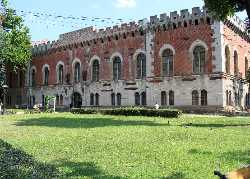
Timișoara Art Museum
Museum
Timișoara Art Museum
 Museum
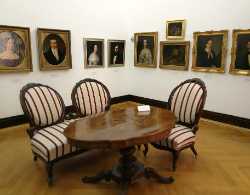
Banat Village Museum
Museum
Banat Village Museum
 Museum
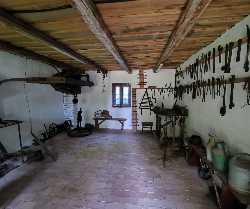
MX Corneliu Miklosi Museum
Museum
MX Corneliu Miklosi Museum
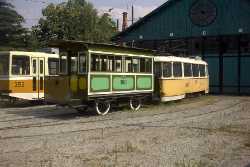 Museum
Muzeul Apei
Museum
Muzeul Apei
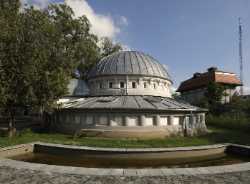 Museum
Muzeul Consumatorului Comunist
Museum
Muzeul Consumatorului Comunist
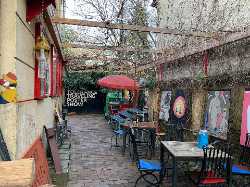 Museum
Memorialul Revoluției
Museum
Memorialul Revoluției
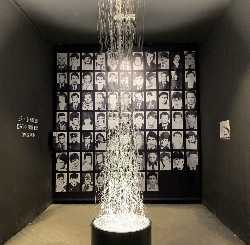 Museum
Maria Theresia Bastion
Museum
Maria Theresia Bastion
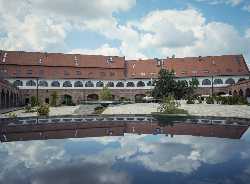 Fortress
"Three Holy Hierarchs" Metropolitan Cathedral
Fortress
"Three Holy Hierarchs" Metropolitan Cathedral
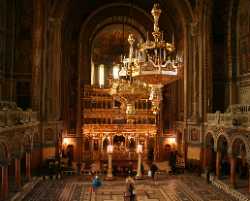 Cathedral
Millennium Church
Cathedral
Millennium Church
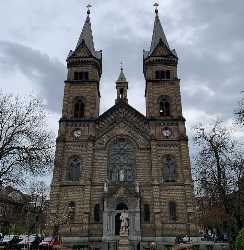 Church
St. George's Roman Catholic Cathedral
Church
St. George's Roman Catholic Cathedral
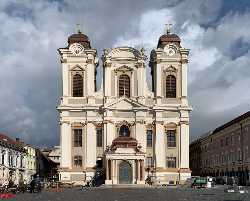 Church
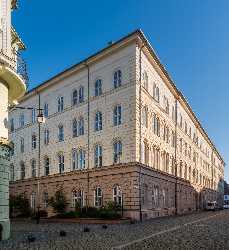
Dicasterial Palace
Church
Dicasterial Palace
 Palace
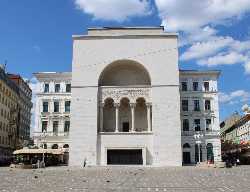
Romanian National Opera Timișoara
Palace
Romanian National Opera Timișoara
 Opera House
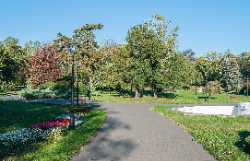
Botanic Park
Opera House
Botanic Park
 Botanical Garden
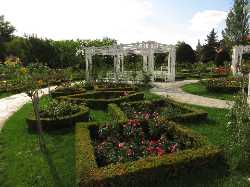
Roses Park
Botanical Garden
Roses Park
 Park
Anton von Scudier Park
Park
Anton von Scudier Park
 Park
Alpinet Park
Park
Alpinet Park
 Park
Park