Iosif Vulcan Memorial Museum
Iosif Vulcan Memorial Museum is a cornerstone of Oradea’s literary heritage, celebrating the life and work of the editor who helped shape modern Romanian culture. Located in the house where Vulcan lived and published his influential magazine Familia, the museum preserves the atmosphere of a 19th‑century intellectual home. An interesting fact is that Vulcan was the one who introduced Mihai Eminescu to the public, publishing the poet’s first work and encouraging his early career. Inside, visitors find rooms arranged with original furniture, personal objects, and editorial tools that reveal Vulcan’s daily routine. Manuscripts, correspondence, and early editions of Familia illustrate his role in promoting Romanian literature, journalism, and national identity. The study room is a highlight: his desk, bookshelves, and writing instruments create a vivid picture of the environment where he shaped cultural debates. The museum also displays portraits, family photographs, and memorabilia connected to Oradea’s literary circles. Temporary exhibitions often explore themes such as journalism, regional writers, or the evolution of Romanian publishing. Intimate and historically rich, the Iosif Vulcan Memorial Museum offers a thoughtful glimpse into the life of a man who helped define Romania’s cultural voice.
Oradea Romania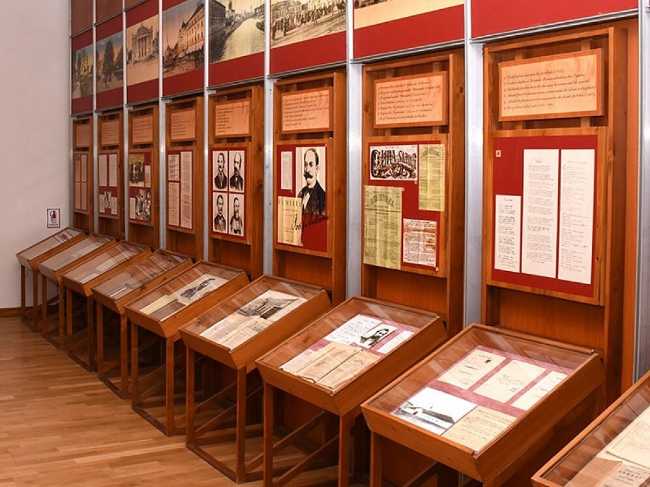
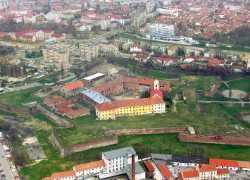
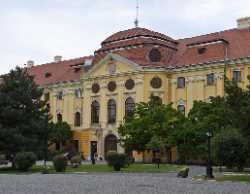
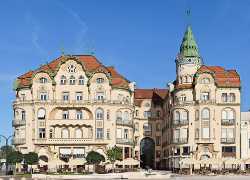
The Iosif Vulcan Memorial Museum is located in central Oradea on Strada Iosif Vulcan, in the house where the Romanian writer, journalist, and cultural figure Iosif Vulcan lived and worked. He founded the literary magazine Familia in 1865, which published the debut poem of Mihai Eminescu, and he was a key promoter of Romanian culture in Transylvania during the 19th century. The museum opened in 1965 and preserves the late-19th-century atmosphere with original furniture, manuscripts, letters, books, and photographs. The museum sits a few minutes from Piața Unirii, Oradea’s main square, surrounded by art nouveau and secession buildings. There you’ll find the Black Eagle Palace with its stained-glass passage, the Moon Church, and the City Hall tower with panoramic views. The Roman Catholic Basilica and the Baroque Palace complex on Șirul Canonicilor are nearby, along with the State Theatre and the Sirul Canonicilor. The Zion Neolog Synagogue and the Jewish History Museum are also in the center, reflecting the city’s multicultural heritage. The Crișul Repede river promenade is close by with cafes and terraces. The Fortress of Oradea, a restored 16th-century star-shaped citadel with museums and galleries, is about a 15-minute walk. The Darvas-La Roche House, an art nouveau museum, and the Ady Endre Memorial Museum are also within easy reach.
 Museum
The Museum of Oradea
Museum
The Museum of Oradea
 Museum
Darvas-La Roche House
Museum
Darvas-La Roche House
 Museum
Jewish History Museum
Museum
Jewish History Museum
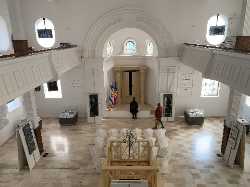 Museum
Ady Endre Memorial Museum
Museum
Ady Endre Memorial Museum
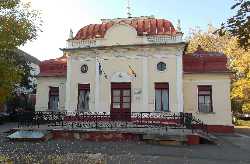 Museum
Military Museum Oradea
Museum
Military Museum Oradea
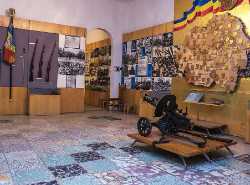 Museum
 of Freemasonry
Museum
Museum of Freemasonry
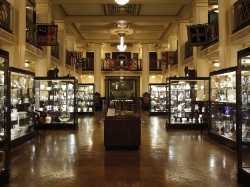 Museum
Oradea Fortress
Museum
Oradea Fortress
 Fortress
Palatul Episcopiei Romano-Catolice
Fortress
Palatul Episcopiei Romano-Catolice
 Museum
Black Eagle Palace
Museum
Black Eagle Palace
 Palace
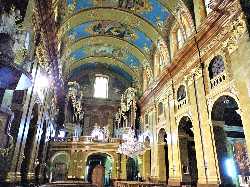
Roman Catholic Basilica of St. Mary
Palace
Roman Catholic Basilica of St. Mary
 Cathedral
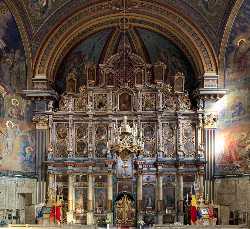
Moon Church
Cathedral
Moon Church
 Cathedral
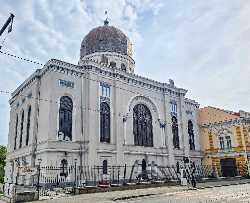
Zion Neolog Synagogue
Cathedral
Zion Neolog Synagogue
 Synagogue
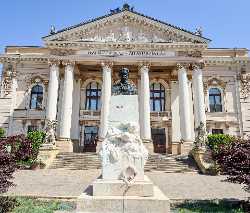
Oradea State Theatre
Synagogue
Oradea State Theatre
 Cathedral