Napoleon’s Theatre
Napoleon’s Theatre is one of Kotor’s most intriguing historical curiosities, a reminder of the brief but influential period of French rule in the early 19th century. Built around 1810, it was part of a wider cultural initiative introduced by the Illyrian Provinces administration, making it one of the first dedicated theatre buildings on the Montenegrin coast. This early push for public arts is one of its most interesting facts: Kotor briefly became a regional center for French-style performances, concerts, and civic gatherings. The building stands near the Sea Gate, blending neoclassical touches with local stone architecture. Although the theatre no longer functions as a performance venue, its interior retains traces of its original layout. Visitors can see the remains of the stage area, balcony supports, and the hall where officers, merchants, and townspeople once gathered for plays and musical evenings. Informational panels describe how the theatre hosted both French productions and local performances, creating a rare cultural exchange during a turbulent era. A particularly engaging detail is the connection to Marshal Marmont, who encouraged the development of civic institutions in Kotor. The theatre became a symbol of modernization, even as political control shifted soon after.
Kotor Montenegro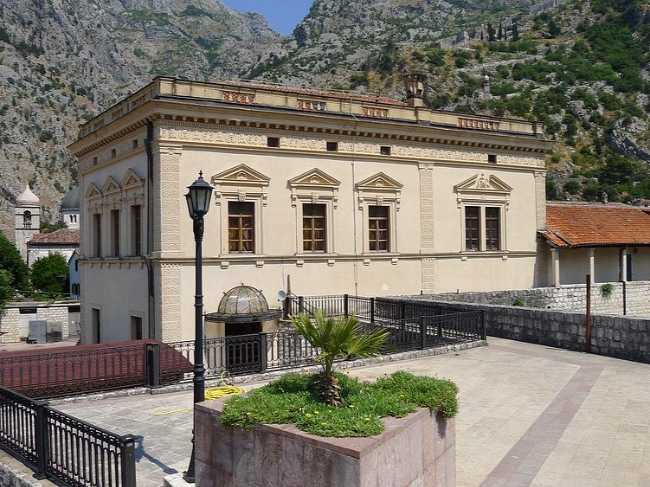
Napoleon’s Theatre stands on the Square of Arms in the heart of Kotor’s Old Town, right beside the old city walls and close to the Sea Gate. Built in the 18th century and turned into a permanent theatre by the French authorities in 1810, the neoclassical building later served as the town hall and is now part of Hotel Cattaro, still carrying its historic presence on the main square. Step outside and the Clock Tower rises just a few paces away, while the Sea Gate opens onto the waterfront. A short walk through the stone lanes brings you to the Maritime Museum in the Grgurina Palace, the Cathedral of Saint Tryphon with its twin towers, and the Gallery of Solidarity inside Pima Palace. The Cats Museum and St Michael’s Church with its Lapidarium are also nearby, and from the same square you can begin the climb up the city walls toward St John’s Fortress and the Church of Our Lady of Remedy higher on the hillside. The theatre sits at the natural centre of the Old Town, making it an easy stop while exploring the museums, churches, noble palaces and fortifications that fill the walled historic core.
 Museum
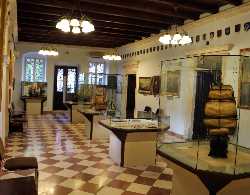
Kotor Cats Museum
Museum
Kotor Cats Museum
 Museum
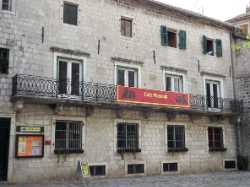
Gallery of Solidarity
Museum
Gallery of Solidarity
 Gallery
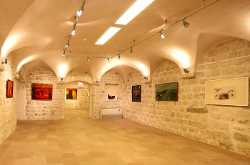
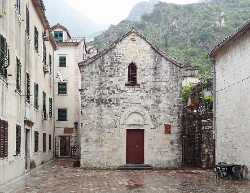
St. Michael’s Church Kotor
Gallery
St. Michael’s Church Kotor
 Church
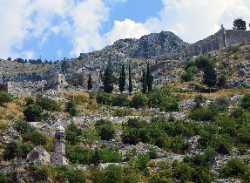
Fortress of San Giovanni
Church
Fortress of San Giovanni
 Fortress
Kotor City Walls and Fortifications
Fortress
Kotor City Walls and Fortifications
 Historical Landmark
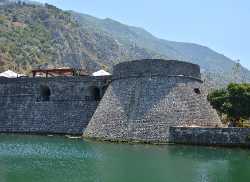
Gurdic Bastion
Historical Landmark
Gurdic Bastion
 Historical Landmark
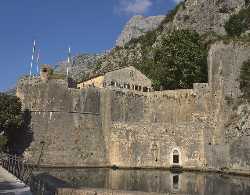
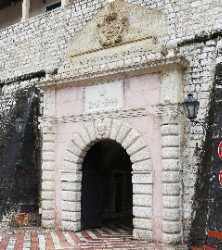
Vrata od Mora
Historical Landmark
Vrata od Mora
 Historical Landmark
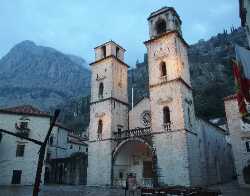
Cathedral of Saint Tryphon
Historical Landmark
Cathedral of Saint Tryphon
 Cathedral
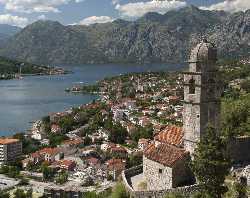
Church of Our Lady of Remedy
Cathedral
Church of Our Lady of Remedy
 Church
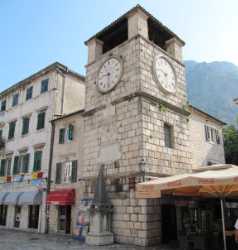
Clock Tower Kotor
Church
Clock Tower Kotor
 Historical Landmark