Sahat kula
Sahat Kula, Ulcinj’s historic clock tower, rises above the Old Town as a symbol of civic pride and Ottoman-era urban life. Built in the 18th century, it once regulated daily rhythms: merchants opened their shops to its chimes, guards changed shifts, and prayer times were coordinated across the fortified city. Its mechanism was maintained by local craftsmen who passed the skill from generation to generation, making the tower a rare example of traditional timekeeping in Montenegro. Inside, the narrow stone staircase leads to the clock chamber, where visitors can see the restored gears and weights that powered the original mechanism. The interior walls still bear tool marks from Ottoman masons, and small openings offer glimpses of the surrounding rooftops. At the top, the viewing platform provides one of Ulcinj’s most atmospheric panoramas, stretching from the Old Town’s ramparts to the shimmering Adriatic. Sahat Kula also served as a lookout point, helping guards monitor approaching ships—an essential function in a city once entangled with pirates and traders.
Ulcinj Montenegro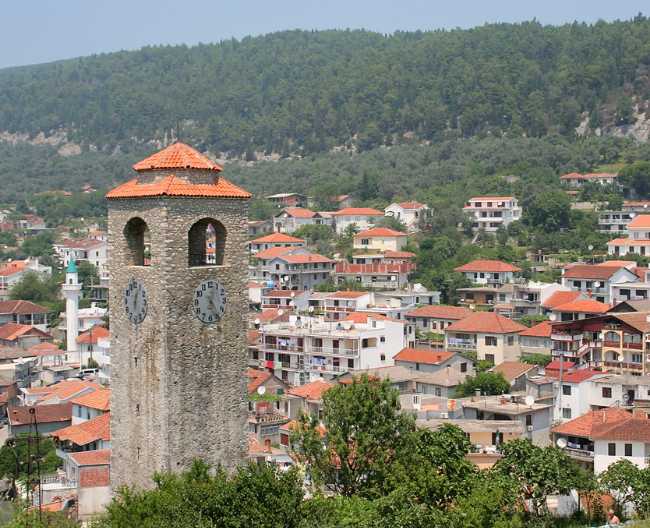
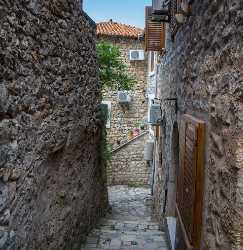
Sahat kula in Ulcinj is right where you want to be if you like old towns that still feel alive. It stands in the heart of Stari Grad, the Old Town of Ulcinj, up on the hill overlooking the sea. The address is basically Stari Grad bb, 85360 Ulcinj, Montenegro - you can't miss it once you are inside the old walls, just follow the small stone streets up toward the main square. This is an old Ottoman clock tower from 1754, built to call people to prayer and to let the town know the time. It is made of rough cut stone, pretty simple and tall, and it is still one of the symbols of the city. What is cool is that everything interesting is literally a two-minute walk away. You are already inside Ulcinj Castle, also called Kalaja. The whole Old Town is the castle itself, with massive walls that are more than 2000 years old. Right next to Sahat kula you will find the Museum of Ulcinj. It is set in a former church and a former palace and it keeps pieces from Illyrian, Venetian and Ottoman times. Just a few steps down is Balsic Tower, a medieval tower from the 14th century that today works as a small art gallery, and in front of it is the famous Slave Square, once known as a pirate slave market.
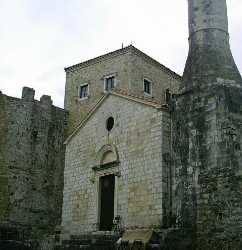 Museum
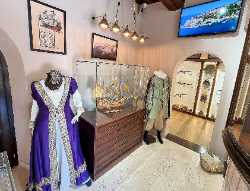 Museum
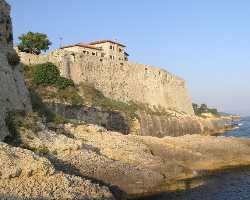 Fortress
 Historical Landmark