Bendruomenių Rūmai
Bendruomenių Rūmai in Panevėžys is a lively cultural centre that has played an important role in the city’s artistic and community life since its opening in 1987. Built during the late Soviet period, the building reflects the era’s functional modernism, yet over time it has transformed into a welcoming space for concerts, theatre, exhibitions and civic events. Its name—“Community Palace”—captures its purpose: a place where culture is created collectively. Inside, visitors find a spacious main hall known for its excellent acoustics, frequently used for performances by local ensembles, touring musicians and dance groups. Smaller rooms host art exhibitions, creative workshops and educational programmes, making the venue a hub for both professional artists and community initiatives. One of the most interesting aspects is the building’s long tradition of nurturing youth culture, from music festivals to theatre studios that helped shape generations of performers. The interior also preserves characteristic design elements of the 1980s, including geometric décor and warm wood accents, giving the space a nostalgic charm. Today, Bendruomenių Rūmai continues to evolve, balancing its historical identity with a modern cultural agenda that keeps it at the heart of Panevėžys’ social life.
Panevėžys Lithuania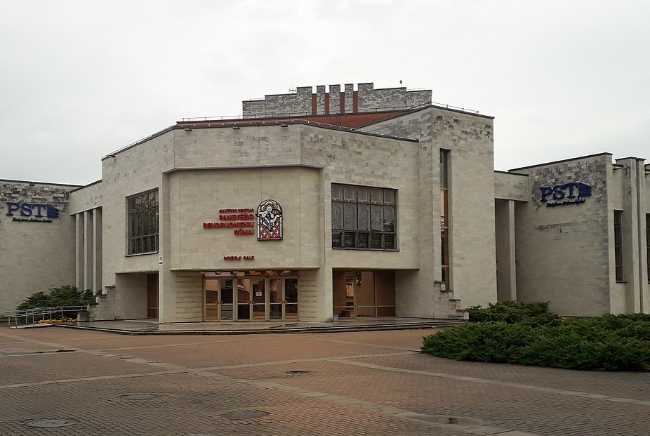
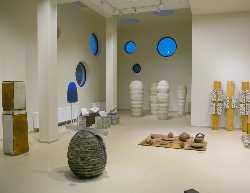
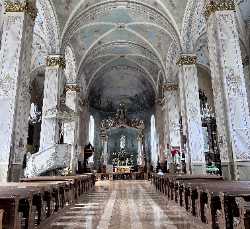
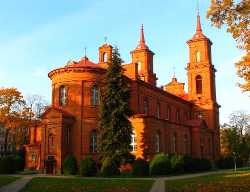
Bendruomenių Rūmai (Community Palace), officially the Cultural Centre “Panevėžio Bendruomenių Rūmai,” is a vibrant cultural hub in Panevėžys, Lithuania. It is located at Kranto Street 28, on the banks of the Nevėžis River, close to the Topolių al. and J. Balčikonio gimnazija bus stops. The venue hosts concerts, festivals, exhibitions, community events, and offers room rentals for various occasions. Nearby attractions are all within easy walking distance. Just a short walk away is the Senvagė scenic promenade along the old riverbed of the Nevėžis River, one of the city’s main places for walking and relaxation, featuring sculptures and art installations. The 39-hectare Culture and Recreation Park, with paved walking trails, sports courts, and children’s playgrounds, is also close by, as is the central pond in the Senvagė district where locals gather for summer events. A few minutes’ walk leads to Laisvės aikštė (Freedom Square), the city’s “singing square,” where the Brass Orchestra “Garsas” often plays live music and where craft workshops and art galleries are concentrated. Close by are the Juozas Miltinis Drama Theatre, one of Lithuania’s most famous theatres, the Cathedral of Christ the King, the Church of St. Peter and St. Paul, the Narrow Gauge Railway Museum, the Panevėžys Local Lore Museum with its world insect collection, the Panevėžys Civic Art Gallery with its ceramic art courtyard, and the modern Stasys Museum.
 Museum
 Gallery
 Museum
 Cathedral
 Church
 Arena
Arena