Janus Pannonius Museum in Pécs
The Janus Pannonius Museum in Pécs is one of Hungary’s richest cultural institutions, a multi‑building museum complex that reveals the city’s layered history from Roman times to the present. Named after the Renaissance poet Janus Pannonius, it brings together archaeology, fine arts, ethnography, and natural history under one umbrella, offering visitors a deep and varied cultural experience. Its most famous attraction is the Early Christian Necropolis, a UNESCO World Heritage Site, where beautifully preserved 4th‑century burial chambers display vivid frescoes of biblical scenes and symbolic motifs. These underground spaces offer a rare glimpse into the life of one of Europe’s earliest Christian communities. Inside the main museum buildings, visitors can explore Roman mosaics, medieval artefacts, Ottoman‑era ceramics, and a remarkable collection of Hungarian painting and sculpture. The Csontváry Museum, part of the institution, houses the visionary works of Tivadar Csontváry Kosztka, whose monumental canvases are among Hungary’s greatest artistic treasures. An interesting fact is that the museum’s collections grew rapidly after Pécs became a university city, attracting scholars who helped shape its scientific and cultural profile. Today, the museum remains a cornerstone of Pécs’ identity, offering a journey through two millennia of art and history.
Pécs Hungary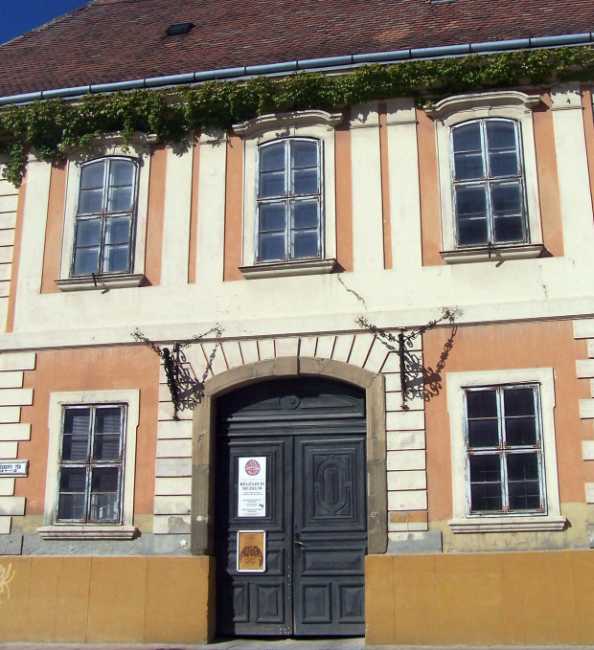
Located on Káptalan utca in the heart of Pécs’s historic Museum Street, the Janus Pannonius Museum is Hungary’s largest rural museum network. Its headquarters occupy an 18th-century baroque canon house at Káptalan utca 5, but the museum oversees 12 exhibition spaces across the city. You’ll find world-class collections here: the Modern Hungarian Gallery, the Vasarely Museum, the Csontváry Museum with Tivadar Csontváry Kosztka’s giant, luminous canvases, the Zsolnay Museum of ceramics, Martyn–Lantos Museum, Schaár Erzsébet: Utca, and more. The museum also runs the Ethnographic Museum, home to Hungary’s second-largest ethnographic collection with textiles, pottery, and traditions like the Buso March. Museum Street is a cultural hub just steps from Pécs Cathedral and the UNESCO-listed Early Christian Necropolis. Walk 10–15 minutes to Széchenyi Square, the city’s main square framed by the Mosque of Pasha Qasim and City Hall. Close by are the Barbican fortress, the Bishop’s Palace, and the ruins of the Golden Mary Chapel. Art lovers can explore the Csontváry Museum nearby on Janus Pannonius utca, while the National Theatre of Pécs hosts ballet, opera, and drama. Don’t miss the Zsolnay Museum for the city’s famous tiles and porcelain.
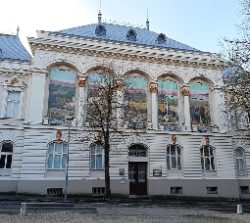 Museum
Victor Vasarely Museum
Museum
Victor Vasarely Museum
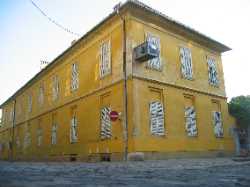 Museum
Zsolnay Porcelain Museum
Museum
Zsolnay Porcelain Museum
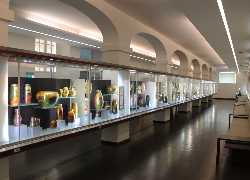 Museum
Modern Hungarian Gallery
Museum
Modern Hungarian Gallery
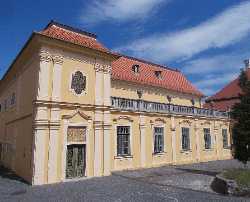 Museum
Ferenc Martyn Museum
Museum
Ferenc Martyn Museum
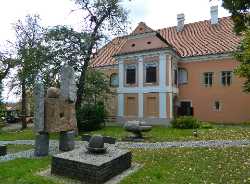 Museum
Natural History Museum Pécs
Museum
Natural History Museum Pécs
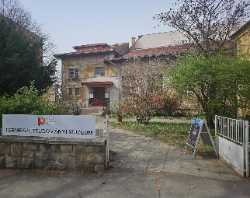 Museum
Cella Septichora Visitor Center
Museum
Cella Septichora Visitor Center
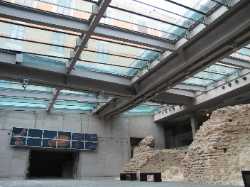 Museum
Jakováli Hasszán Pasa Dzsámi
Museum
Jakováli Hasszán Pasa Dzsámi
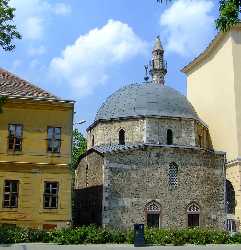 Museum
Basilica of Pécs
Museum
Basilica of Pécs
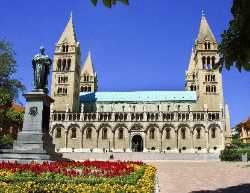 Cathedral
Downtown Candlemas Church of the Blessed Virgin Mary
Cathedral
Downtown Candlemas Church of the Blessed Virgin Mary
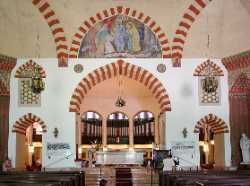 Church
 of St. Augustine
Church
Church of St. Augustine
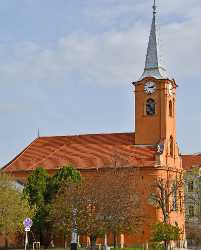 Church
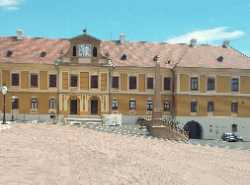
Bishop's Palace
Church
Bishop's Palace
 Castle
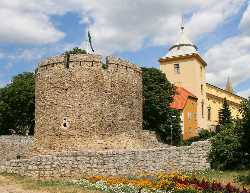
Barbican
Castle
Barbican
 Historical Landmark
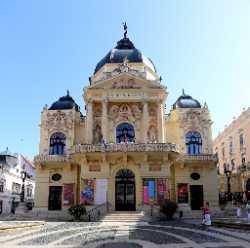
National Theatre of Pécs
Historical Landmark
National Theatre of Pécs
 Theatre
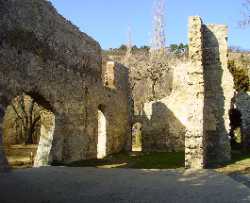
Tettye Ruins
Theatre
Tettye Ruins
 Historical Landmark
Pécs TV Tower
Historical Landmark
Pécs TV Tower
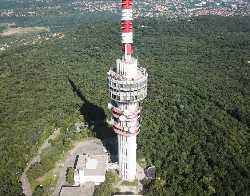 Tower
Tower