Barbican
The Barbican of Pécs is the last surviving element of the city’s medieval fortifications and one of its most atmospheric historical structures. Built in the 15th century to strengthen the northern gate, it served as a key defensive point during the turbulent centuries that followed, including the Ottoman occupation. Its circular form, thick walls, and narrow openings reveal how seriously Pécs prepared for siege warfare. Inside, visitors can explore the restored interior, where exhibitions explain the city’s fortification system and the daily life of soldiers stationed here. The spiral staircase leading to the upper level offers a close look at the masonry and provides access to the walkway along the walls. From the top, you get a striking view of the cathedral towers rising above the old town—an ideal vantage point for understanding the strategic importance of the site. The Barbican also hosts cultural events, linking its martial past with the city’s modern artistic life. It stands today not only as a rare medieval survivor but also as a reminder of Pécs’s resilience and long urban continuity.
Pécs Hungary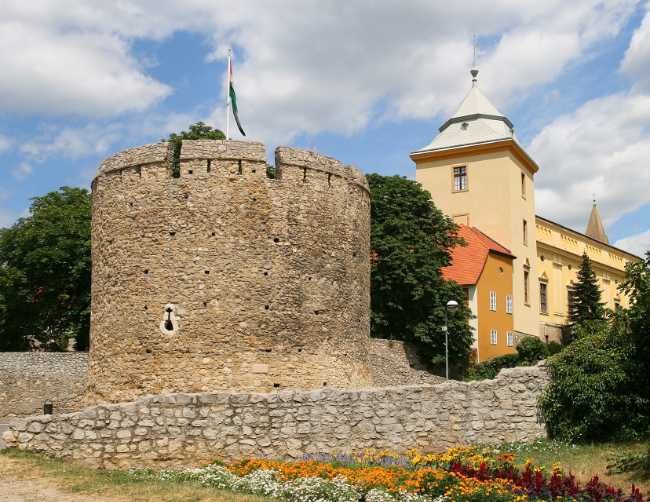
The Barbican is Pécs’s only surviving stone bastion and the only Barbican of this type in Hungary. Built in the late 15th century, it served as an outer gate fortress that protected the main entrance to the city along Király utca, one of Pécs’s most important thoroughfares. The circular tower has thick walls, arrow slits, and a restored appearance that reflects its medieval defensive role. Visitors can reach the Barbican by walking along Király utca from Széchenyi Square toward the cathedral area. At the end of Király utca, near the Bishop’s Palace, the Barbican appears beside the old city wall ruins, accessible through a small park that opens daily (with seasonal hours). The interior is not directly accessible from the street, but the exterior and surrounding remains of the medieval wall are free to explore. Nearby tourist attractions include the Basilica of Pécs, Dóm tér, the Bishop’s Palace, the Episcopal Treasury, the Cella Septichora Visitor Centre, the Early Christian Mausoleum, Széchenyi Square, the Downtown Candlemas Church (Mosque of Pasha Qasim), the Jakováli Hasszán Pasa Dzsámi, the Zsolnay Cultural Quarter, the Pécs Synagogue, the Fréchetek utca area, the National Theatre of Pécs, and the remains of the old city wall.
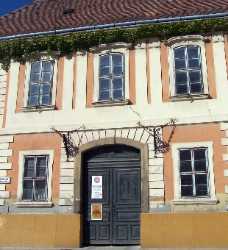 Museum
Csontváry Museum
Museum
Csontváry Museum
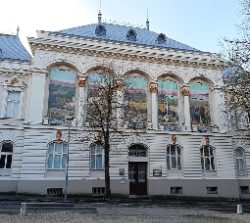 Museum
Victor Vasarely Museum
Museum
Victor Vasarely Museum
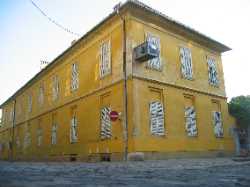 Museum
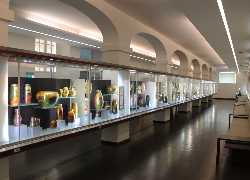
Zsolnay Porcelain Museum
Museum
Zsolnay Porcelain Museum
 Museum
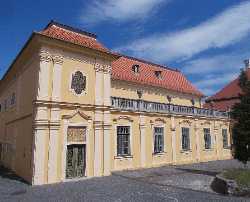
Modern Hungarian Gallery
Museum
Modern Hungarian Gallery
 Museum
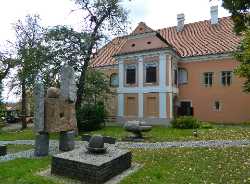
Ferenc Martyn Museum
Museum
Ferenc Martyn Museum
 Museum
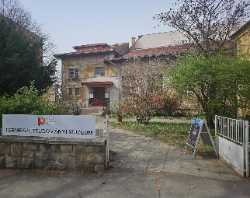
Natural History Museum Pécs
Museum
Natural History Museum Pécs
 Museum
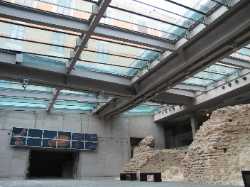
Cella Septichora Visitor Center
Museum
Cella Septichora Visitor Center
 Museum
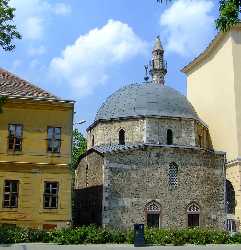
Jakováli Hasszán Pasa Dzsámi
Museum
Jakováli Hasszán Pasa Dzsámi
 Museum
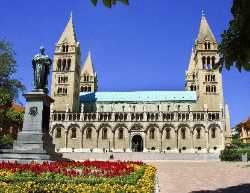
Basilica of Pécs
Museum
Basilica of Pécs
 Cathedral
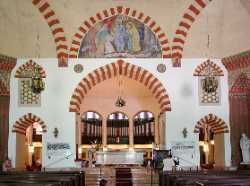
Downtown Candlemas Church of the Blessed Virgin Mary
Cathedral
Downtown Candlemas Church of the Blessed Virgin Mary
 Church
 of St. Augustine
Church
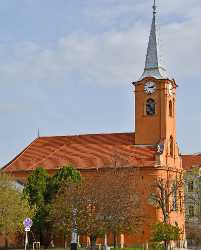
Church of St. Augustine
 Church
Bishop's Palace
Church
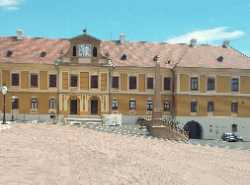
Bishop's Palace
 Castle
National Theatre of Pécs
Castle
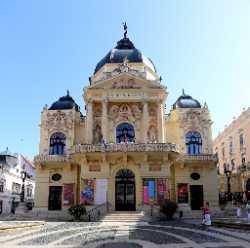
National Theatre of Pécs
 Theatre
Tettye Ruins
Theatre
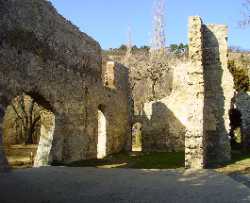
Tettye Ruins
 Historical Landmark
Pécs TV Tower
Historical Landmark
Pécs TV Tower
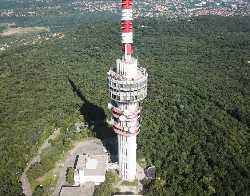 Tower
Tower