Tettye Ruins
The Tettye Ruins in Pécs—also known as the ruins of the Tettye Palace—sit on a rocky plateau above the city, offering both history and one of the best panoramic viewpoints in the area. Built around 1500 by Bishop György Szatmári as a Renaissance summer residence, the palace was once an elegant retreat surrounded by gardens. Its destruction during the Ottoman period left behind the atmospheric stone walls that stand today, giving the site its romantic, open‑air character. What makes Tettye especially interesting is how clearly its Renaissance layout can still be read: fragments of window frames, arches, and wall sections hint at the palace’s former grandeur. Archaeological work has uncovered traces of heating systems and decorative elements, revealing that this was one of the earliest Renaissance buildings in Hungary. Visitors can walk freely among the ruins, explore the terraces, and enjoy sweeping views over Pécs and the Mecsek hills. The surrounding park adds to the charm, making it a popular spot for quiet walks, photography, and summer events. Tettye combines history, landscape, and atmosphere in a way few places in the city can match.
Pécs Hungary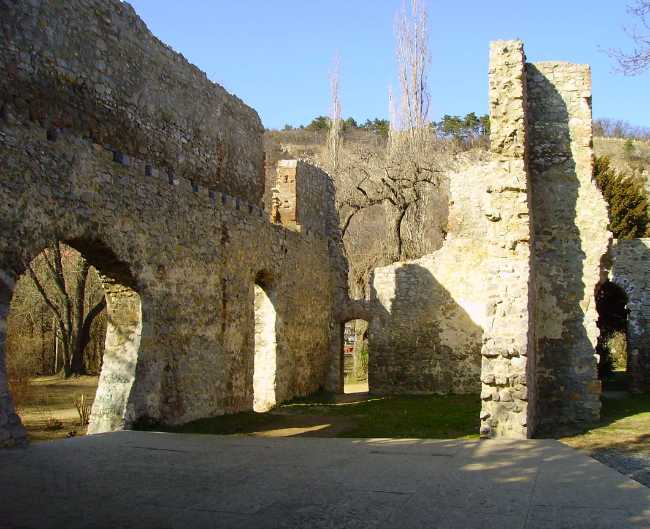
The Tettye Ruins are the remains of a 16th-century Renaissance palace built by Pécs’s bishop György Szatmári. These medieval ruins, set in a beautiful park, are a favourite spot for visitors who want to combine history with nature and quiet walks. The ruins are open year-round, and the park is well maintained, with greenery, viewpoints, playgrounds, and small caves to explore. From Széchenyi Square, the main hub of Pécs, you can walk southeast along Kossuth Lajos utca, continue toward Rákóczi út, and then follow the road to Tettye tér, which takes about 30 minutes. Alternatively, from the main bus terminal, take bus 1 or 2 toward Tettye and get off at the Tettye tér stop, followed by a short walk to the ruins. Nearby attractions include the Mecsek Mountains and their hiking trails, the Tettyei Mésztufa-barlang (Tettye Cave), scenic viewpoints over Pécs, restaurants, walking routes, playgrounds, and football courts, as well as the nearby church and the city’s cultural quarter. The surrounding area is also close to the city centre, so you can easily return to the Basilica of Pécs, Széchenyi Square, the Downtown Candlemas Church, the Bishop’s Palace, the Cella Septichora Visitor Centre, and the Zsolnay Cultural Quarter after visiting the ruins.
 Museum
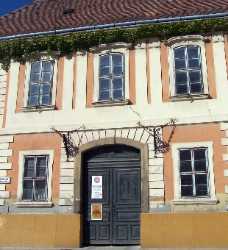
Csontváry Museum
Museum
Csontváry Museum
 Museum
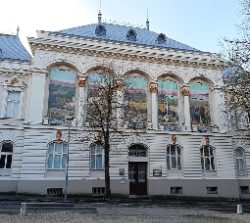
Victor Vasarely Museum
Museum
Victor Vasarely Museum
 Museum
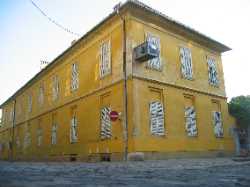
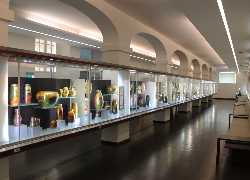
Zsolnay Porcelain Museum
Museum
Zsolnay Porcelain Museum
 Museum
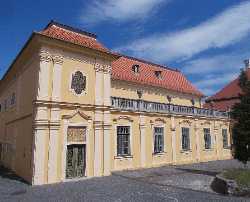
Modern Hungarian Gallery
Museum
Modern Hungarian Gallery
 Museum
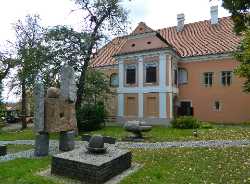
Ferenc Martyn Museum
Museum
Ferenc Martyn Museum
 Museum
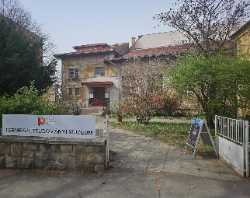
Natural History Museum Pécs
Museum
Natural History Museum Pécs
 Museum
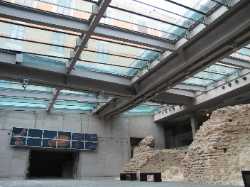
Cella Septichora Visitor Center
Museum
Cella Septichora Visitor Center
 Museum
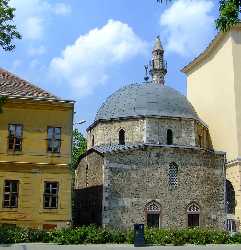
Jakováli Hasszán Pasa Dzsámi
Museum
Jakováli Hasszán Pasa Dzsámi
 Museum
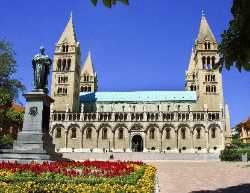
Basilica of Pécs
Museum
Basilica of Pécs
 Cathedral
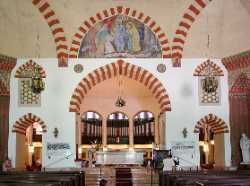
Downtown Candlemas Church of the Blessed Virgin Mary
Cathedral
Downtown Candlemas Church of the Blessed Virgin Mary
 Church
 of St. Augustine
Church
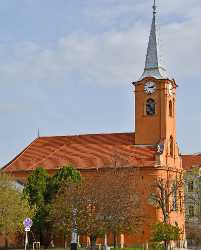
Church of St. Augustine
 Church
Bishop's Palace
Church
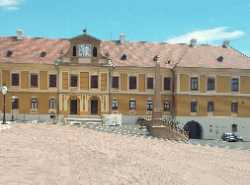
Bishop's Palace
 Castle
Barbican
Castle
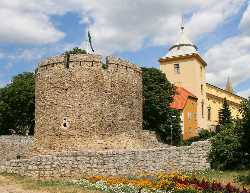
Barbican
 Historical Landmark
National Theatre of Pécs
Historical Landmark
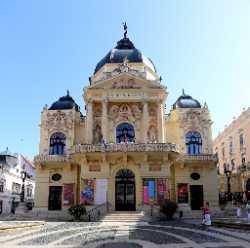
National Theatre of Pécs
 Theatre
Pécs TV Tower
Theatre
Pécs TV Tower
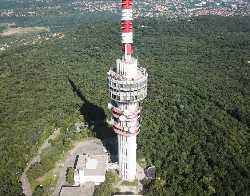 Tower
Tower