Csontváry Museum
The Csontváry Museum in Pécs is one of Hungary’s most extraordinary art destinations, dedicated entirely to the visionary painter Tivadar Csontváry Kosztka. His work, largely unrecognised during his lifetime, is now celebrated for its bold colours, monumental scale, and almost mystical atmosphere. The museum, housed in a historic building near the city centre, offers an intimate yet powerful encounter with one of Europe’s most original artistic voices. Inside, visitors can admire Csontváry’s iconic masterpieces, including The Lonely Cedar, The Ruins of Taormina, and Pilgrimage to the Cedars of Lebanon. These vast canvases radiate an intense, dreamlike energy, blending natural landscapes with symbolic meaning. The museum’s layout allows each painting ample space, enhancing their dramatic impact. An interesting fact is that Csontváry was a pharmacist who turned to painting after experiencing what he described as a divine calling. His unique style—neither Impressionist nor Expressionist—defies easy categorisation, which is part of what makes the museum so compelling. Sketches, letters, and personal objects further illuminate the life of this eccentric genius.
Pécs Hungary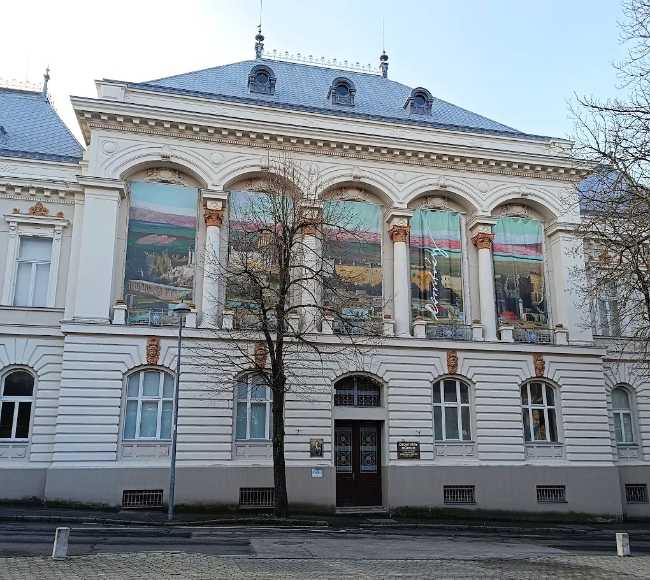
Located at Janus Pannonius utca 11 in Pécs’s historic Museum Street district, the Csontváry Museum showcases the visionary works of Tivadar Csontváry Kosztka, one of Hungary’s most distinctive painters. Housed in a former baroque canon’s palace, the museum displays around 30 major canvases from the Janus Pannonius Museum collection. Standout pieces include The Lonely Cedar, Pilgrimage to the Cedars in Lebanon, Ruins of the Greek Theatre at Taormina, and the monumental Baalbek. His vivid colors, symbolic landscapes, and mystical style blend post-impressionism with a unique personal mythology. Open daily except Mondays, the museum offers a quiet, intimate setting to absorb Csontváry’s genius. You’re in the cultural heart of Pécs. Just steps away on Káptalan utca is the Janus Pannonius Museum network, including the Modern Hungarian Gallery, Vasarely Museum, and Zsolnay Museum of ceramics. Walk a few minutes to Pécs Cathedral and the Bishop’s Palace, then explore the UNESCO-listed Early Christian Necropolis with its 4th-century painted tombs. Széchenyi Square, the city’s main plaza, is 10 minutes on foot, framed by the Mosque of Pasha Qasim, City Hall, and lively cafés. Also close: the Barbican, Golden Mary Chapel ruins, and the National Theatre of Pécs. With museums, Roman-Turkish history, and Zsolnay architecture all nearby, the Csontváry Museum is the perfect anchor for a Pécs art and history day.
 Museum
Victor Vasarely Museum
Museum
Victor Vasarely Museum
 Museum
Zsolnay Porcelain Museum
Museum
Zsolnay Porcelain Museum
 Museum
Modern Hungarian Gallery
Museum
Modern Hungarian Gallery
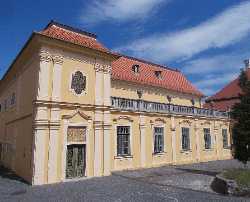 Museum
Ferenc Martyn Museum
Museum
Ferenc Martyn Museum
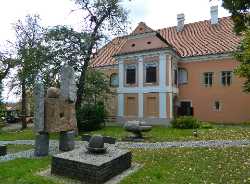 Museum
Natural History Museum Pécs
Museum
Natural History Museum Pécs
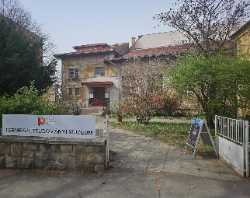 Museum
Cella Septichora Visitor Center
Museum
Cella Septichora Visitor Center
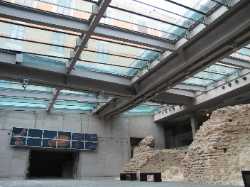 Museum
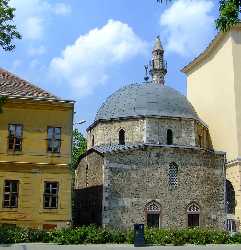
Jakováli Hasszán Pasa Dzsámi
Museum
Jakováli Hasszán Pasa Dzsámi
 Museum
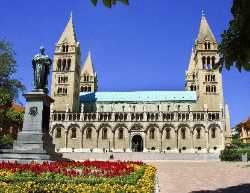
Basilica of Pécs
Museum
Basilica of Pécs
 Cathedral
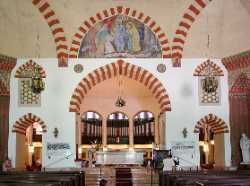
Downtown Candlemas Church of the Blessed Virgin Mary
Cathedral
Downtown Candlemas Church of the Blessed Virgin Mary
 Church
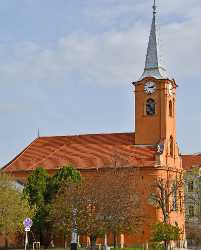
 of St. Augustine
Church
Church of St. Augustine
 Church
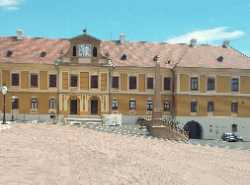
Bishop's Palace
Church
Bishop's Palace
 Castle
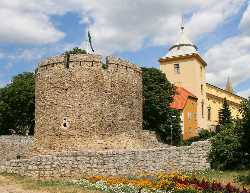
Barbican
Castle
Barbican
 Historical Landmark
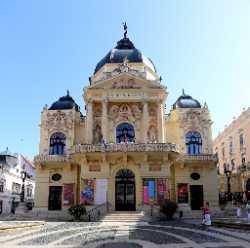
National Theatre of Pécs
Historical Landmark
National Theatre of Pécs
 Theatre
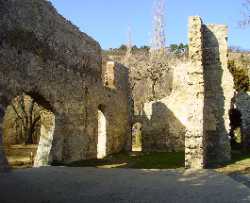
Tettye Ruins
Theatre
Tettye Ruins
 Historical Landmark
Pécs TV Tower
Historical Landmark
Pécs TV Tower
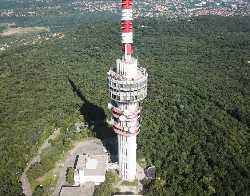 Tower
Tower