Victor Vasarely Museum
The Victor Vasarely Museum in Pécs is a vibrant celebration of the world‑famous Hungarian‑French artist who became the father of Op Art. Opened in 1976, it was the first museum dedicated to Vasarely’s work, and it remains one of the most striking artistic spaces in the city. Its clean, geometric interior perfectly complements the visual language of the artist, whose bold patterns and optical illusions transformed 20th‑century art. Inside, visitors encounter a rich selection of Vasarely’s major periods, from his early figurative experiments to the iconic black‑and‑white Zebra compositions and the colourful geometric structures that made him internationally renowned. The museum’s layout enhances the immersive effect: standing before certain works, the shapes seem to vibrate or shift, creating the optical movement that defines Op Art. An interesting fact is that Vasarely envisioned a “planetary folklore,” a universal visual language built from simple geometric forms. This idea is reflected in the museum’s collection of studies, sketches, and architectural concepts, showing how he imagined art integrated into everyday life. The museum offers a dynamic, playful, and intellectually stimulating journey through the mind of a true modernist pioneer.
Pécs Hungary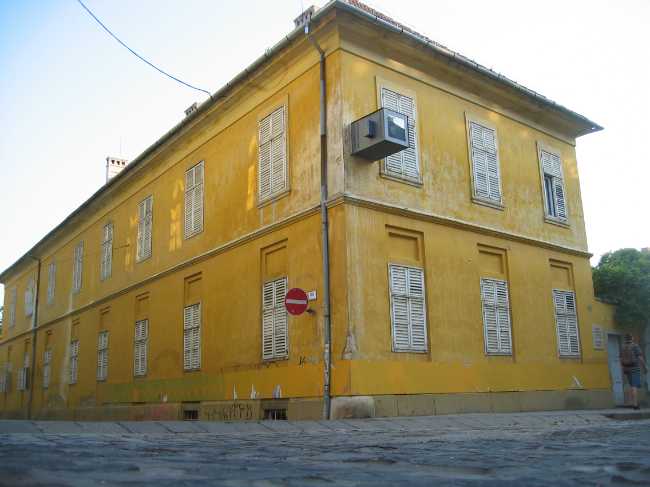
Set at Káptalan utca 3 in Pécs’s historic Museum Street, the Victor Vasarely Museum is one of Hungary’s most visited art spaces. Housed in an 1838 late-Baroque canon house, it opened in 1976 thanks to generous donations from Vasarely, the Pécs-born father of Op Art. The permanent collection traces his journey from Bauhaus-inspired geometric graphics to bold, architectural Op Art that seems to leap off the wall. You’ll see the world-famous Zebra series, serigraphs, tapestries, monumental mosaics, and sculptures. Works by his wife Claire Vasarely and son Yvaral add depth, showing how the family’s artistic vision evolved. Clever lighting intensifies the 3D illusions, making the experience playful and immersive. Museum Street is Pécs’s cultural core. Right next door are the Modern Hungarian Gallery and Csontváry Museum, home to luminous masterpieces by Tivadar Csontváry Kosztka. A short walk brings you to Pécs Cathedral and the UNESCO-listed Early Christian Necropolis. Explore Széchenyi Square with the Mosque of Pasha Qasim, City Hall, and lively cafés. Don’t miss the Zsolnay Museum for the city’s iconic ceramics, the Bishop’s Palace, and the medieval Barbican. The National Theatre, Synagogue, and ruins of the Golden Mary Chapel are all close, making it easy to spend a full day discovering Pécs’s art, Roman, Ottoman, and medieval heritage right around the Vasarely Museum.
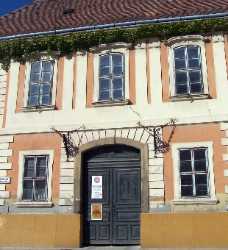 Museum
Csontváry Museum
Museum
Csontváry Museum
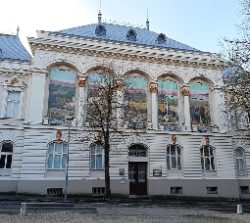 Museum
Zsolnay Porcelain Museum
Museum
Zsolnay Porcelain Museum
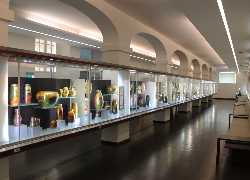 Museum
Modern Hungarian Gallery
Museum
Modern Hungarian Gallery
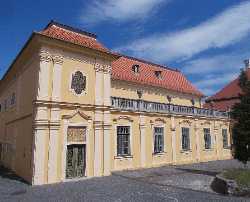 Museum
Ferenc Martyn Museum
Museum
Ferenc Martyn Museum
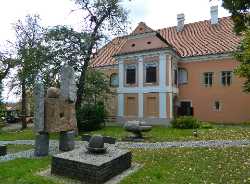 Museum
Natural History Museum Pécs
Museum
Natural History Museum Pécs
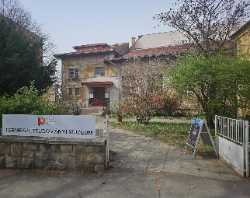 Museum
Cella Septichora Visitor Center
Museum
Cella Septichora Visitor Center
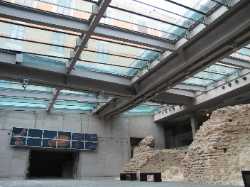 Museum
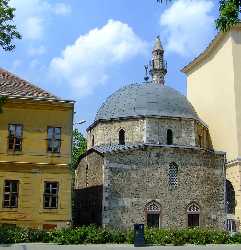
Jakováli Hasszán Pasa Dzsámi
Museum
Jakováli Hasszán Pasa Dzsámi
 Museum
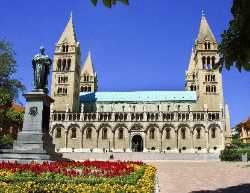
Basilica of Pécs
Museum
Basilica of Pécs
 Cathedral
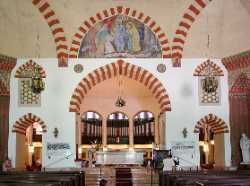
Downtown Candlemas Church of the Blessed Virgin Mary
Cathedral
Downtown Candlemas Church of the Blessed Virgin Mary
 Church
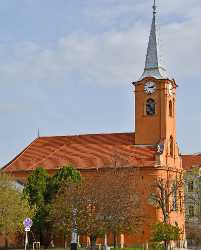
 of St. Augustine
Church
Church of St. Augustine
 Church
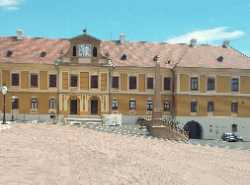
Bishop's Palace
Church
Bishop's Palace
 Castle
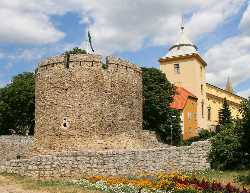
Barbican
Castle
Barbican
 Historical Landmark
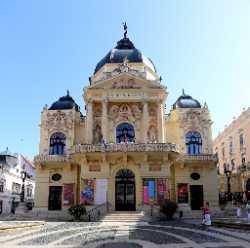
National Theatre of Pécs
Historical Landmark
National Theatre of Pécs
 Theatre
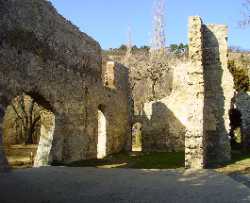
Tettye Ruins
Theatre
Tettye Ruins
 Historical Landmark
Pécs TV Tower
Historical Landmark
Pécs TV Tower
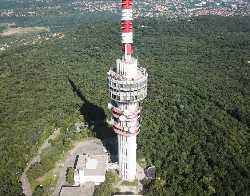 Tower
Tower