National Theatre of Győr
The National Theatre of Győr is one of Hungary’s most distinctive modern theatres, instantly recognisable for its bold 1970s architecture. Designed by Miklós Hofer, the building reflects the era’s sculptural concrete style, with sweeping curves and dramatic forms that still stand out in the cityscape. Its construction marked a major cultural milestone for Győr, signalling the city’s growing artistic ambition. Inside, the main auditorium offers excellent acoustics and a warm, enveloping atmosphere thanks to its wood‑panelled walls and carefully designed lighting. The space seats more than 600 spectators and hosts a wide repertoire: drama, opera, ballet, and contemporary productions. The theatre is also home to the renowned Győr Ballet, whose performances attract audiences from across the country. One of the most interesting features is the building’s integration of public art. Sculptures and reliefs by prominent Hungarian artists are incorporated into the interior and exterior, turning the theatre into a cultural landmark even beyond its stage productions.
Győr Hungary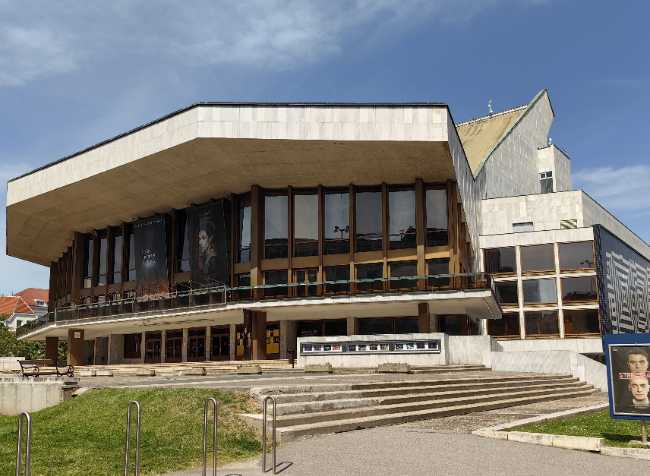
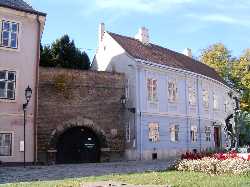
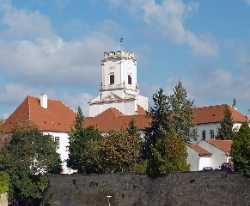
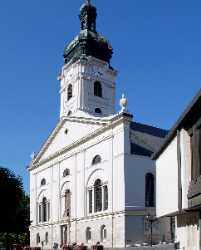
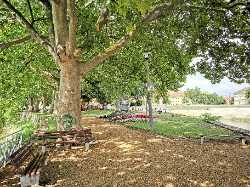
The National Theatre of Győr is located at Czuczor Gergely utca 7 in the downtown area of Győr, in the heart of the historic city center. Nearby attractions include the historic Gyor Town Hall, one of the city's most beautiful Neo-Baroque symbols built between 1896 and 1898 with more than 200 rooms, where concerts usually take place in the Great Hall. The Cathedral Basilica of the Assumption of Our Lady, the seat of the episcopate founded by Stephen I, is also very close, originally built in Romanesque style and later rebuilt in Gothic and Baroque styles. On Széchenyi Square, Győr's main square, visitors can see many Baroque monument houses, including the Benedictine Church Saint Ignatius of Loyola, Hungary's oldest Baroque church, and the adjacent Benedictine friary where the Széchenyi Pharmacy Museum is located. The elegant Esterházy Palace, housing the Radnai collection of the City Art Museum with works by Hungarian artists from the interwar period, is within walking distance. The Bishop's Castle, with its 13th-century tower and 15th-century chapel, is also nearby, along with the Baroque Episcopal Palace, and the late Historicist and Secession style synagogue built between 1868 and 1870, now functioning as a cultural centre. The recently updated Dunakapu Square along the riverbank serves as a gathering place, and from here visitors can walk across the Kossuth Bridge to enjoy views of the city's waterways.
 Museum
 Museum
 Museum
 Museum
 Historical Landmark
 Cathedral
 Island