City Museum Vršac
City Museum Vršac is one of the oldest cultural institutions in the Banat region, founded in 1882 and shaped by generations of local collectors who preserved the town’s heritage long before museums were common. Housed in a refined 19th‑century merchant residence, it offers an intimate, atmospheric walk through Vršac’s layered past, from Roman settlements to the rise of local guilds and the city’s artistic flowering. Inside, the archaeological rooms stand out with Roman pottery, medieval tools and finds from nearby fortifications that reveal Vršac’s long strategic importance. The ethnographic section is equally compelling: traditional Banat costumes, carved furniture and household objects illustrate the blend of Serbian, Romanian and German influences that defined everyday life. A highlight is the fine‑art gallery, which includes works by Paja Jovanović, the celebrated painter born in Vršac. Another charming feature is the small display dedicated to the town’s wine‑making tradition, showcasing old presses, vineyard documents and tools from local cellars.
Vršac Serbia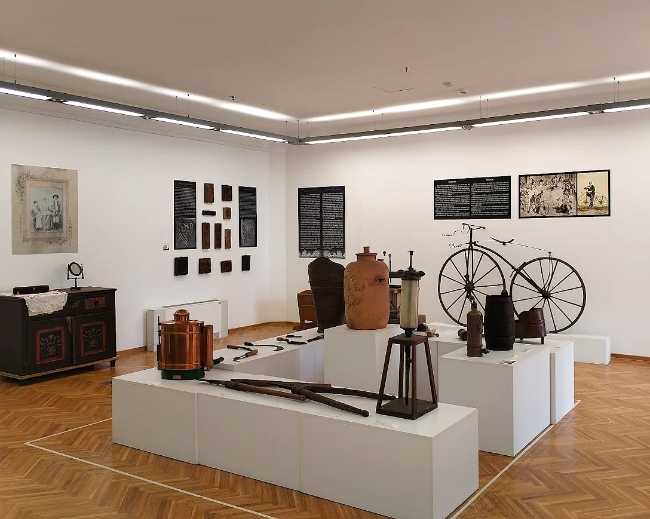
The City Museum Vršac, known locally as Gradski muzej Vršac, is a rich cultural landmark located in Vršac, Serbia, at Bulevar Žarka Zrenjanina 20. Its location in the historic center of Vršac makes it a fantastic starting point for exploring the town’s top tourist attractions. A short walk through the city center brings you to the magnificent Bishop's Palace, an elegant 18th-century residence of the Banat Eparchy, as well as the historic Pharmacy on Stairs, a unique 18th-century building operating as a branch museum. Nearby on the main square, you can also admire the neo-gothic Saint Gerhard Catholic Cathedral and the historic Vršac Town Hall. If you are up for a scenic stroll, the lush Vršac City Park offers quiet walking paths just a few blocks away. Perched on the forested hills above the town stands Vršac Castle, an iconic 15th-century medieval fortress tower that provides breathtaking panoramic views across the Banat plains. With its blend of historic palaces, grand churches, and medieval ruins close by, the museum is an ideal stop for taking in the heritage of Vršac.
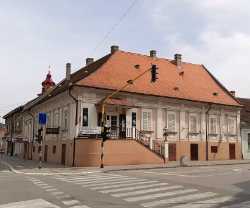 Museum
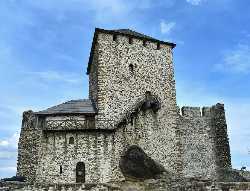 Castle
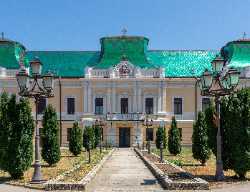 Palace
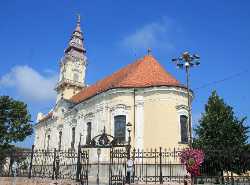 Church
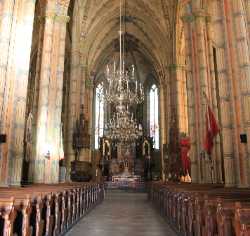 Church
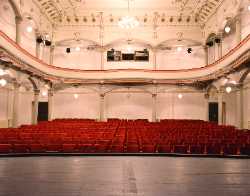 Theatre
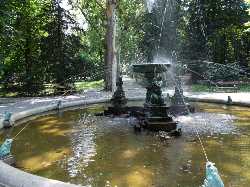 Park
Park