Haarlem
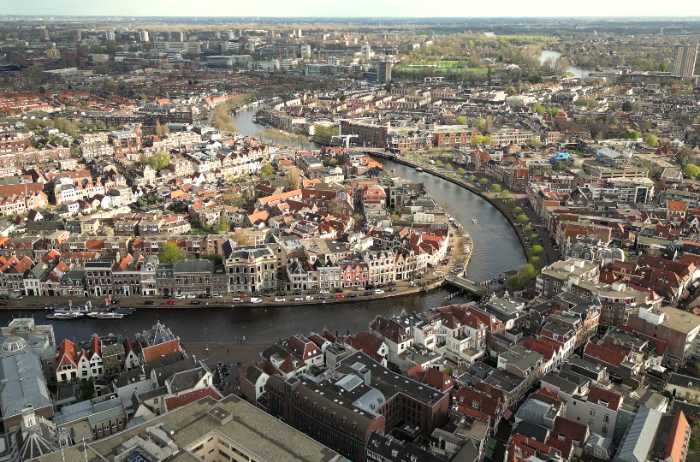
Haarlem, the provincial capital of North Holland, is often affectionately dubbed "Little Amsterdam," but this title doesn't quite do justice to its distinct, more intimate character. Nestled along the banks of the river Spaarne, Haarlem is a city where 17th-century elegance meets a relaxed, contemporary soul. It is a place where history isn't just preserved in museums but is woven into the very fabric of the cobblestone streets and hidden courtyards. The city’s heart is the Grote Markt, arguably one of the most beautiful central squares in Europe. Looming over it is the massive St. Bavokerk (Grote Kerk), a Gothic masterpiece that houses the world-famous Müller organ. This 100-foot-high instrument was once played by a ten-year-old Wolfgang Amadeus Mozart and continues to draw music lovers from across the globe. Surrounding the square are grand buildings like the Vleeshal (the former meat market) and the historic Town Hall, which has been the seat of local government since the 14th century. Haarlem’s prosperity peaked during the Dutch Golden Age, when it was a powerhouse of brewing, textile manufacturing, and the center of the infamous Tulip Mania. In the 1630s, the city’s taverns were the trading floors for the world’s first economic bubble, where single tulip bulbs were sold for the price of grand canal houses. This wealth funded a legendary art scene, most notably that of Frans Hals, the master of the "loose brushstroke." Today, the Frans Hals Museum stands as a pilgrimage site for art enthusiasts, while the Teylers Museum—the oldest museum in the Netherlands—offers a fascinating "time capsule" of Enlightenment-era science and art. One of Haarlem’s most enchanting features is its collection of hofjes—secluded almshouse courtyards hidden behind modest street doors. Originally built by wealthy citizens to house elderly, single women, these 21 surviving green oases offer a silent escape from the city’s bustling shopping streets. For those interested in more recent history, the Corrie ten Boom House provides a moving look into the Dutch resistance during WWII, where a local family risked everything to hide Jewish refugees in a secret closet. Today, Haarlem is a culinary and shopping destination, boasting more restaurants per inhabitant than any other Dutch city. Whether you are sipping craft beer in the Jopenkerk (a brewery housed in a former church), exploring the nearby dunes of Zuid-Kennemerland National Park, or taking a short bike ride to the beaches of Zandvoort, Haarlem offers a complete Dutch experience without the overwhelming crowds of its larger neighbor.
What to see in Haarlem
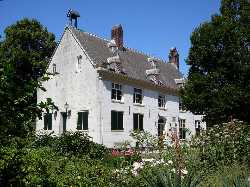 Castle
Cathedral of St. Bavo
Castle
Cathedral of St. Bavo
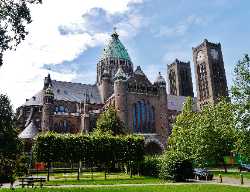 Cathedral
Doopsgezinde Kerk
Cathedral
Doopsgezinde Kerk
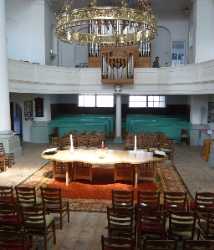 Church
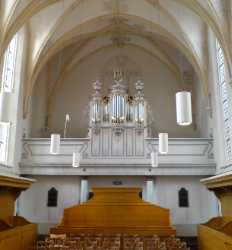
Waalse Kerk Haarlem
Church
Waalse Kerk Haarlem
 Church
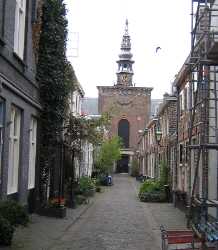
Nieuwe Kerk Haarlem
Church
Nieuwe Kerk Haarlem
 Church
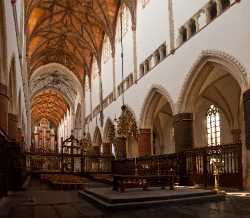
Grote of Sint‑Bavokerk
Church
Grote of Sint‑Bavokerk
 Church
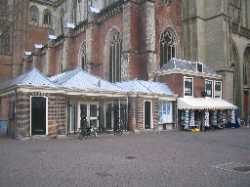
De Vishal
Church
De Vishal
 Gallery
Kunst Centrum Haarlem
Gallery
Kunst Centrum Haarlem
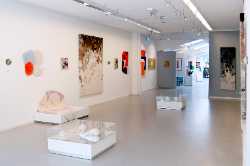 Gallery
Hofje van Oorschot
Gallery
Hofje van Oorschot
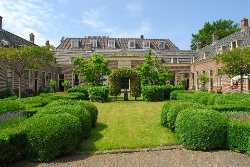 Historical Landmark
Proveniershuis
Historical Landmark
Proveniershuis
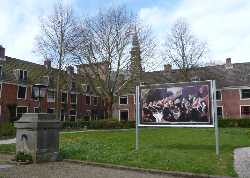 Historical Landmark
Amsterdamse Poort
Historical Landmark
Amsterdamse Poort
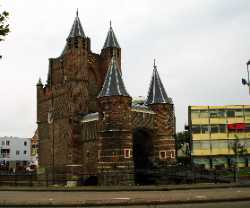 Historical Landmark
Kenau and Ripperda Monument
Historical Landmark
Kenau and Ripperda Monument
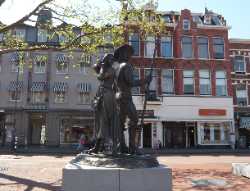 Monument
Teylers Museum
Monument
Teylers Museum
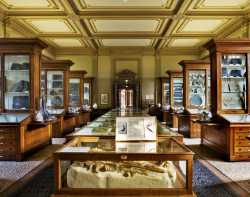 Museum
ABC Architectuurcentrum Haarlem
Museum
ABC Architectuurcentrum Haarlem
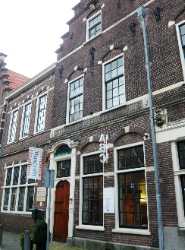 Museum
Verwey Museum Haarlem
Museum
Verwey Museum Haarlem
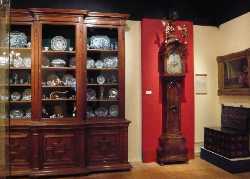 Museum
Archeologisch Museum Haarlem
Museum
Archeologisch Museum Haarlem
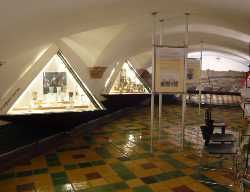 Museum
 van de Geest – Dolhuys
Museum
Museum van de Geest – Dolhuys
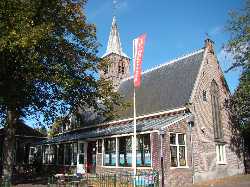 Museum
Corrie ten Boom House
Museum
Corrie ten Boom House
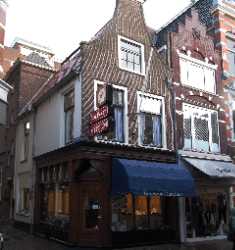 Museum
Frans Hals Museum
Museum
Frans Hals Museum
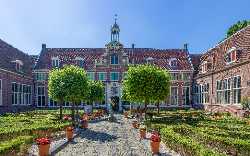 Museum
Haarlemmerhout
Museum
Haarlemmerhout
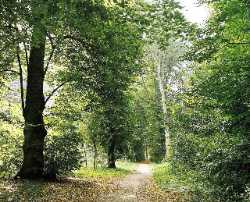 Park
Kenaupark
Park
Kenaupark
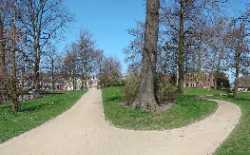 Park
Burgemeester Reinaldapark
Park
Burgemeester Reinaldapark
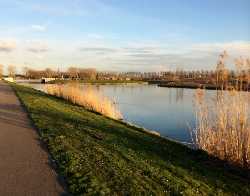 Park
Schoterbos
Park
Schoterbos
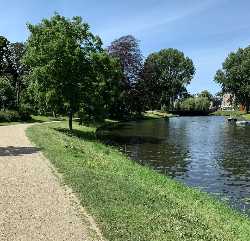 Park
Schuur
Park
Schuur
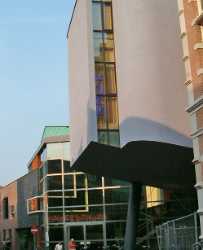 Theatre
Stadsschouwburg Haarlem
Theatre
Stadsschouwburg Haarlem
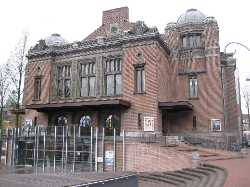 Theatre
Town Hall Haarlem
Theatre
Town Hall Haarlem
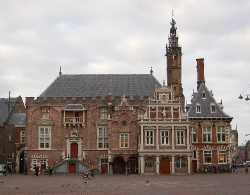 Town Hall
De Adriaan Windmill
Town Hall
De Adriaan Windmill
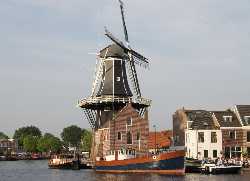 Windmill