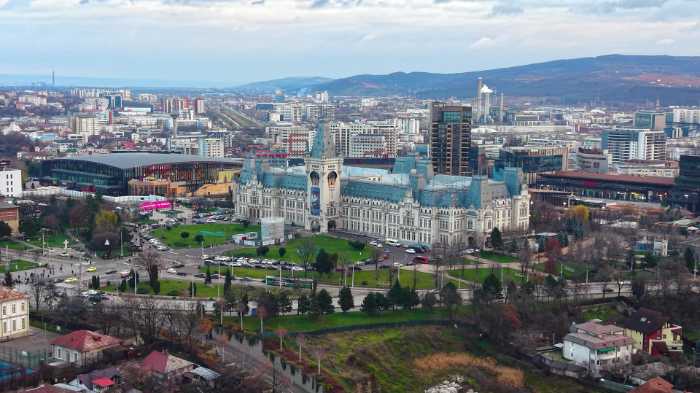
Iași
Iași is one of Romania's oldest and most culturally significant cities. Located in the historical region of Moldavia in northeastern Romania, it served for centuries as the capital of the Principality of Moldavia and remains an important center of education, culture, and religion. Known for its elegant architecture, historic monuments, and vibrant academic atmosphere, Iași is often regarded as the cultural capital of eastern Romania. The city boasts a remarkable collection of museums that reflect its rich heritage. The Palace of Culture Museum Complex is the most famous cultural institution in Iași and includes several museums under one roof, including the Museum of History of Moldavia, the Ethnographic Museum of Moldavia, and the Art Museum. These museums showcase the history, traditions, and artistic achievements of the region. Another important attraction is the Mihai Eminescu Memorial Museum, dedicated to Romania's national poet and his connection to the city. Dominating the skyline of Iași is the magnificent Palace of Culture, one of Romania's most iconic buildings. Completed in the early 20th century in Neo-Gothic style, the palace serves as a symbol of the city and houses important cultural institutions. Its impressive Clock Tower and richly decorated interiors attract visitors from across the country and abroad. Among the city's most important religious landmarks is the Metropolitan Cathedral of Iași, the largest Orthodox cathedral in Romania. The cathedral is an important pilgrimage destination and houses the relics of Saint Parascheva, drawing thousands of worshippers each year. Another notable religious monument is the Church of the Three Hierarchs, famous for its unique exterior stone carvings and exceptional architectural design. Iași is also home to several historic landmarks that illustrate its long and distinguished past. The Dosoftei House, one of the oldest buildings in the city, preserves important cultural and literary heritage. The Union Museum commemorates the unification of Moldavia and Wallachia, a crucial event in Romanian history. Visitors can also explore Copou Park, one of the oldest public parks in Romania, where the historic Eminescu's Linden Tree has become a symbol of Romanian literature. The city played a major role during both World Wars and temporarily served as Romania's capital during World War I. This historical importance can still be felt throughout its monuments, memorials, and preserved architectural treasures. With its outstanding museums, magnificent palace, grand cathedral, and numerous historic landmarks, Iași offers a fascinating journey through Romanian history and culture. Its blend of tradition, education, and architectural beauty makes it one of the country's most rewarding destinations for visitors seeking a deeper understanding of Romania's heritage.
What to see in Iași
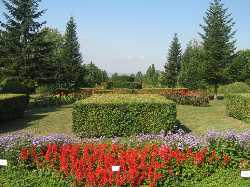 Botanical Garden
Metropolitan Cathedral
Botanical Garden
Metropolitan Cathedral
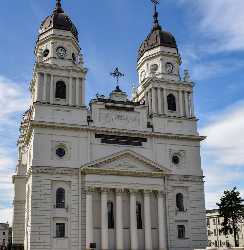 Cathedral
Barnovschi Church
Cathedral
Barnovschi Church
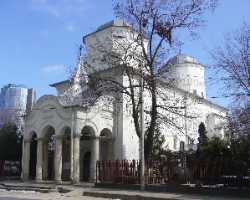 Church
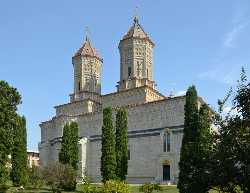
Three Holy Hierarchs Monastery
Church
Three Holy Hierarchs Monastery
 Monastery
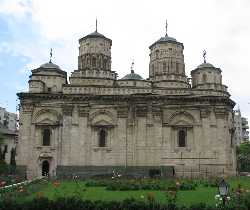
Golia Monastery
Monastery
Golia Monastery
 Monastery
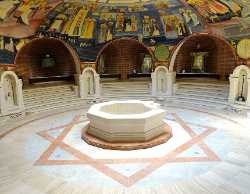
Iași Metropolitan Museum
Monastery
Iași Metropolitan Museum
 Museum
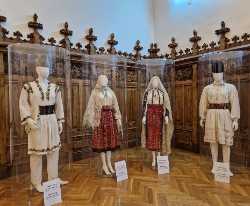
Moldova National Museum Complex
Museum
Moldova National Museum Complex
 Museum
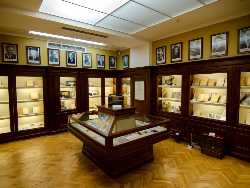
University Museum
Museum
University Museum
 Museum
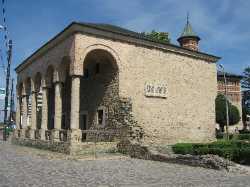
Casa Dosoftei
Museum
Casa Dosoftei
 Museum
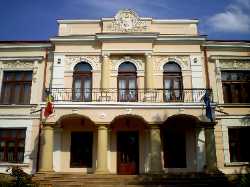
Vasile Pogor Museum
Museum
Vasile Pogor Museum
 Museum
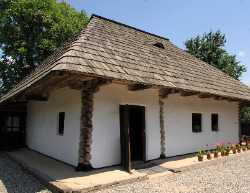
Ion Creangă Memorial House
Museum
Ion Creangă Memorial House
 Museum
Mihail Kogălniceanu Museum
Museum
Mihail Kogălniceanu Museum
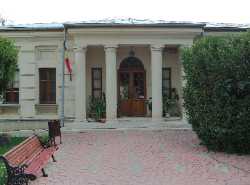 Museum
Union Museum
Museum
Union Museum
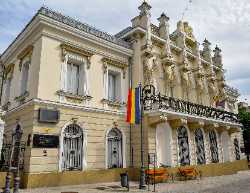 Museum
Palace of Culture
Museum
Palace of Culture
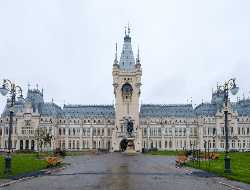 Palace
Copou Park
Palace
Copou Park
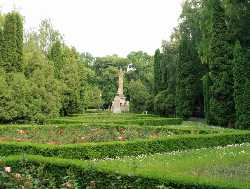 Park
Exhibition Park
Park
Exhibition Park
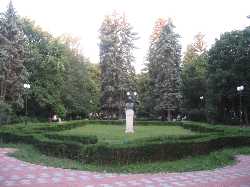 Park
Vasile Alecsandri National Theatre
Park
Vasile Alecsandri National Theatre
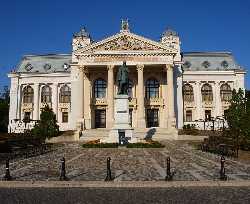 Theatre