Golia Monastery
Golia Monastery is one of Iași’s most distinctive landmarks, a fortified religious complex rising unexpectedly in the middle of the city. Built in the 17th century under Vasile Lupu, it combines Moldavian, Renaissance, and Byzantine influences, giving it a unique architectural profile. Its tall defensive walls and square towers once protected both monks and travelers, making it feel more like a citadel than a monastery. Inside the church, visitors are greeted by elegant frescoes and a richly carved wooden iconostasis that reflects the craftsmanship of Moldavian artisans. The interior is spacious and unusually bright for a monastery of this era, with high arches and a balanced layout that highlights the central dome. One of the most interesting facts is that Ion Creangă, one of Romania’s most beloved writers, lived here as a monk for several years; his small cell is preserved and can be visited. The monastery’s bell tower is another highlight. At 30 meters tall, it offers panoramic views over Iași’s historic core, rewarding those willing to climb its narrow staircase. The courtyard, quiet and enclosed by thick walls, creates a peaceful contrast to the surrounding urban bustle. Golia Monastery is both a spiritual refuge and a window into the layered history of Iași, inviting visitors to explore its architecture, stories, and serene atmosphere.
Iași Romania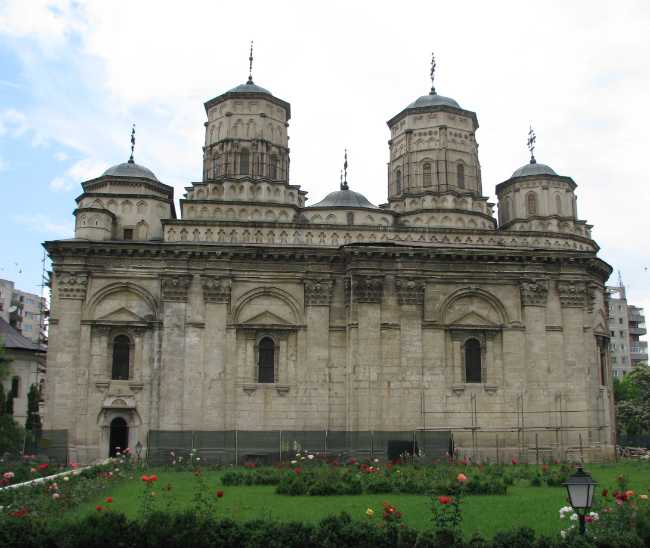
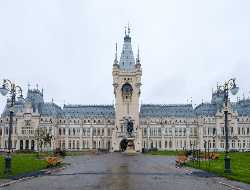
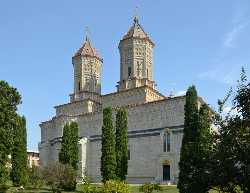
Golia Monastery is located on Strada Cuza Vodă, just off Iași’s main boulevard, Bulevardul Ștefan cel Mare și Sfânt. First mentioned in the 16th century and rebuilt in the 17th century by Prince Vasile Lupu, it blends Moldavian and Renaissance architecture. The church is surrounded by tall fortified walls and a 30-meter clock tower that you can climb for panoramic views over the city. Inside, you’ll find a small museum with religious icons, old manuscripts, and objects linked to writer Ion Creangă, who once lived in the monastery’s precinct. The monastery sits in Iași’s historic center, about a 10-minute walk from the Palace of Culture. This neo-Gothic landmark dominates Piața Palatului and hosts four major museums. Next to it is the Metropolitan Cathedral, a key pilgrimage site housing the relics of Saint Paraskeva. Also nearby are Trei Ierarhi Monastery, known for its ornate stone-carved façade, and Casa Dosoftei, one of the city’s oldest houses now displaying early Romanian literature. Strada Lăpușneanu, lined with cafés, bookshops, and 19th-century buildings, is close by. A short walk or tram ride takes you to the National Theatre “Vasile Alecsandri” and Copou Park. Golia’s central position and iconic tower make it both a spiritual site and an excellent viewpoint for exploring Iași’s historic core.
 Museum
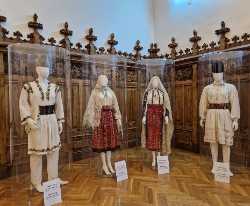
Union Museum
Museum
Union Museum
 Museum
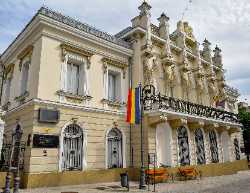
Mihail Kogălniceanu Museum
Museum
Mihail Kogălniceanu Museum
 Museum
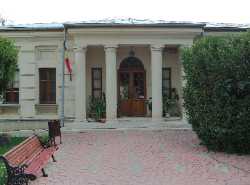
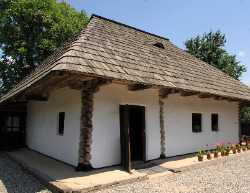
Ion Creangă Memorial House
Museum
Ion Creangă Memorial House
 Museum
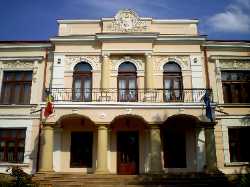
Vasile Pogor Museum
Museum
Vasile Pogor Museum
 Museum
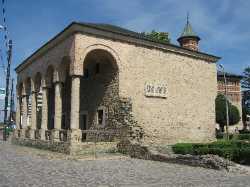
Casa Dosoftei
Museum
Casa Dosoftei
 Museum
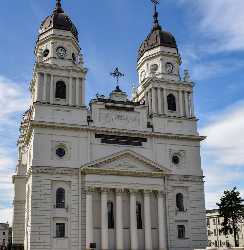
Metropolitan Cathedral
Museum
Metropolitan Cathedral
 Cathedral
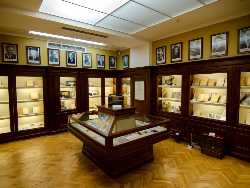
University Museum
Cathedral
University Museum
 Museum
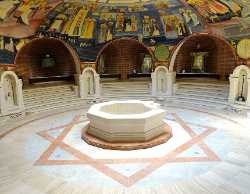
Iași Metropolitan Museum
Museum
Iași Metropolitan Museum
 Museum
Palace of Culture
Museum
Palace of Culture
 Palace
Three Holy Hierarchs Monastery
Palace
Three Holy Hierarchs Monastery
 Monastery
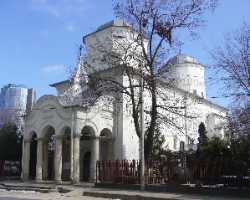
Barnovschi Church
Monastery
Barnovschi Church
 Church
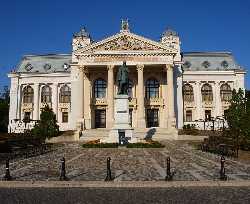
Vasile Alecsandri National Theatre
Church
Vasile Alecsandri National Theatre
 Theatre
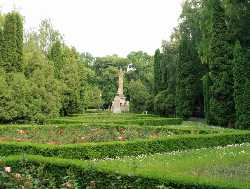
Copou Park
Theatre
Copou Park
 Park
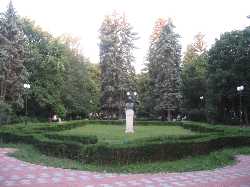
Exhibition Park
Park
Exhibition Park
 Park
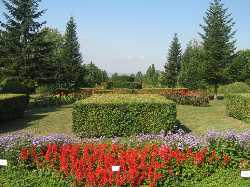
Anastasie Fătu Botanical Garden
Park
Anastasie Fătu Botanical Garden
 Botanical Garden