Three Holy Hierarchs Monastery
Three Holy Hierarchs Monastery is one of Iași’s most extraordinary architectural treasures, famous for its stone‑carved exterior that covers the entire façade like an embroidered mantle. Built in the 1630s under Vasile Lupu, it was conceived as a showcase of Moldavian craftsmanship, blending Armenian, Georgian, Ottoman, and Gothic motifs into a single, dazzling surface. No two sections of the carvings are identical, making the monastery a masterpiece of ornamental detail. Inside, the atmosphere shifts from ornate to serene. The church preserves fragments of original frescoes and a beautifully restored iconostasis, where delicate gilding and fine woodwork highlight the artistry of 17th‑century Moldavian workshops. One of the most interesting facts is that the monastery once housed the first printing press in Moldavia, brought from Kiev; here, in 1643, the famous Carte Românească de Învățătură was printed. Visitors can also see the tomb of Prince Vasile Lupu, placed in a side chapel, and admire the elegant interior proportions shaped by the tall central dome. Although modest in size, the monastery feels monumental thanks to its intricate decoration and historical weight. It remains one of Iași’s most captivating sacred spaces, rewarding slow observation both inside and out.
Iași Romania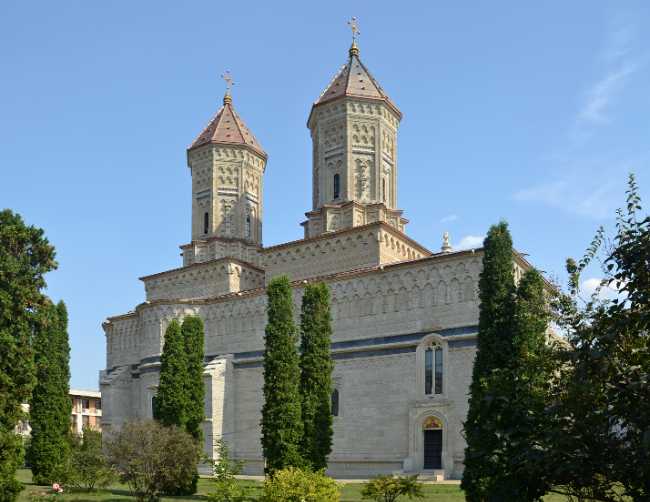
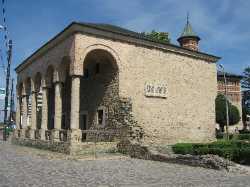
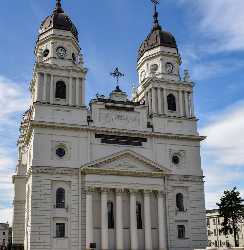
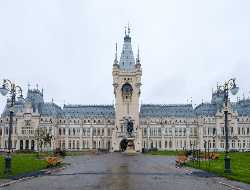
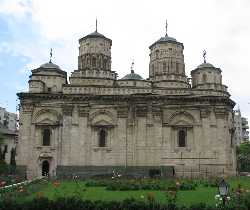
The Three Holy Hierarchs Monastery, or Trei Ierarhi, is located on Bulevardul Ștefan cel Mare și Sfânt in the heart of Iași. Built between 1637 and 1639 by Prince Vasile Lupu, it is a masterpiece of 17th-century Moldavian architecture. The entire church is covered in intricate stone carvings that resemble lace, blending Byzantine, Gothic, and Oriental motifs. The monastery stands directly across from the Metropolitan Cathedral, Romania’s largest Orthodox church and a major pilgrimage site. Just steps away is the Palace of Culture, Iași’s iconic neo-Gothic landmark with 298 rooms and four museums: Art, History, Ethnography, and Science & Technology. Nearby is Casa Dosoftei, one of the oldest houses in Iași, now a museum of old literature. Golia Monastery, with its tall clock tower and panoramic views, is about a 10-minute walk away. Strada Lăpușneanu, the historic pedestrian street filled with cafés, bookshops, and 19th-century buildings, starts nearby. The National Theatre “Vasile Alecsandri” and Copou Park are also within easy reach. Located in the city’s cultural core, Trei Ierarhi is an essential stop for anyone exploring Iași’s history and art.
 Museum
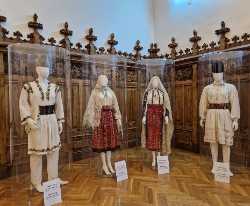
Union Museum
Museum
Union Museum
 Museum
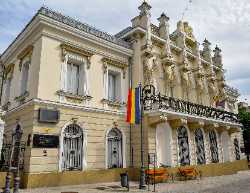
Mihail Kogălniceanu Museum
Museum
Mihail Kogălniceanu Museum
 Museum
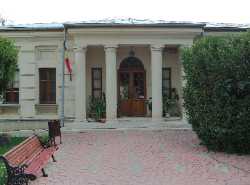
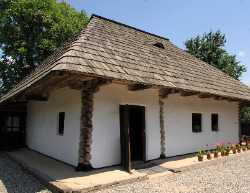
Ion Creangă Memorial House
Museum
Ion Creangă Memorial House
 Museum
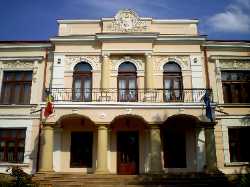
Vasile Pogor Museum
Museum
Vasile Pogor Museum
 Museum
Casa Dosoftei
Museum
Casa Dosoftei
 Museum
Metropolitan Cathedral
Museum
Metropolitan Cathedral
 Cathedral
University Museum
Cathedral
University Museum
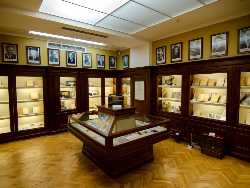 Museum
Iași Metropolitan Museum
Museum
Iași Metropolitan Museum
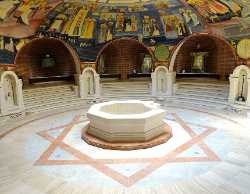 Museum
Palace of Culture
Museum
Palace of Culture
 Palace
Golia Monastery
Palace
Golia Monastery
 Monastery
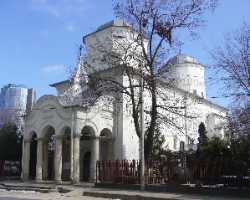
Barnovschi Church
Monastery
Barnovschi Church
 Church
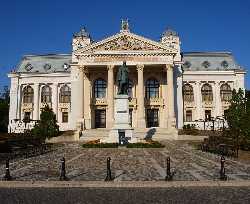
Vasile Alecsandri National Theatre
Church
Vasile Alecsandri National Theatre
 Theatre
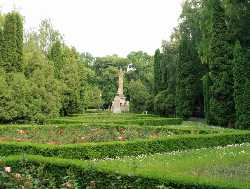
Copou Park
Theatre
Copou Park
 Park
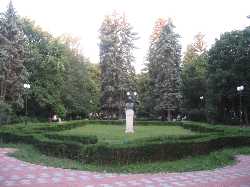
Exhibition Park
Park
Exhibition Park
 Park
Anastasie Fătu Botanical Garden
Park
Anastasie Fătu Botanical Garden
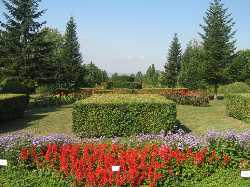 Botanical Garden