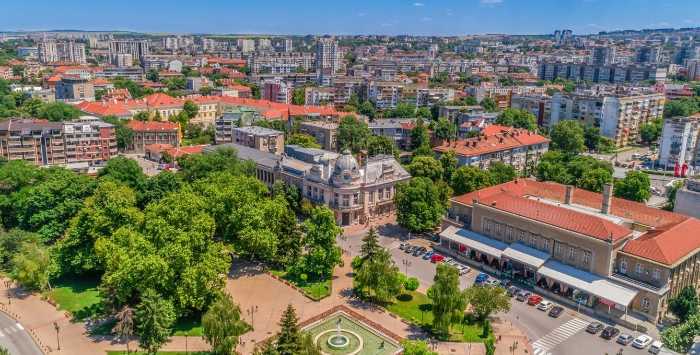
Ruse
Ruse is one of Bulgaria's most elegant cities, situated on the southern bank of the Danube River along the border with Romania. Often called "Little Vienna" because of its impressive Neo-Baroque and Neo-Rococo architecture, Ruse flourished during the late 19th and early 20th centuries as an important commercial and cultural center. Today, the city attracts visitors with its grand boulevards, historic buildings, museums and riverside atmosphere. Among Ruse's finest architectural landmarks is the Dohodno Zdanie, an iconic cultural palace completed in 1902. Its richly decorated façade dominates Freedom Square and serves as the home of the Ruse State Opera and the city's major cultural events. Another important religious monument is the Cathedral of the Holy Trinity, one of Bulgaria's oldest Orthodox churches, originally built during the Ottoman period and expanded in the 19th century. Ruse is home to several outstanding museums. The Regional Museum of History Ruse preserves archaeological discoveries, ethnographic collections and historical artifacts that illustrate the development of the Danube region from prehistoric times to the modern era. The National Museum of Transport and Communications, located in Bulgaria's first railway station, presents historic locomotives, railway carriages and exhibits on the country's transport history. Visitors can also explore the Pantheon of National Revival Heroes, a museum and memorial dedicated to prominent Bulgarian revolutionaries and national leaders. Art enthusiasts will enjoy the Ruse Art Gallery, which displays Bulgarian paintings, sculptures and temporary exhibitions in a historic building. The city's historic center is filled with beautifully preserved buildings from the late 19th century, creating one of Bulgaria's finest architectural ensembles. Freedom Square forms the heart of Ruse and is surrounded by elegant public buildings, fountains and cafés. Nearby stands the Monument of Liberty, one of the city's best-known landmarks and a symbol of Bulgaria's liberation. Just outside the city, the medieval fortress of Cherven offers an excellent excursion, while within Ruse visitors can admire the remains of the Roman fortress of Sexaginta Prista, which reveals the city's ancient origins along the Danube frontier. Today, Ruse successfully combines history, culture and modern urban life. Whether exploring the Regional Museum of History Ruse, the National Museum of Transport and Communications, the Pantheon of National Revival Heroes and the Ruse Art Gallery, visiting the Cathedral of the Holy Trinity, admiring the Dohodno Zdanie, or strolling through Freedom Square and the archaeological remains of Sexaginta Prista, visitors discover one of Bulgaria's most distinguished historic cities.
What to see in Ruse
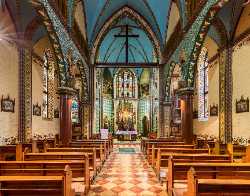
 Church
Catholic Church Saint Paul
Church
Catholic Church Saint Paul
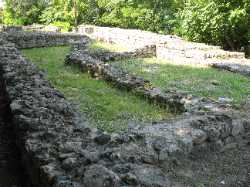
 Church
Sexaginta Prista Roman Fortress
Church
Sexaginta Prista Roman Fortress
 Historical Landmark
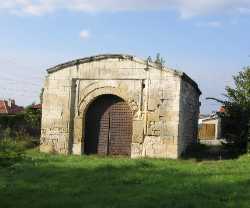
Kunt Kapu
Historical Landmark
Kunt Kapu
 Historical Landmark
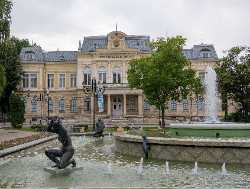
Regional Historical Museum
Historical Landmark
Regional Historical Museum
 Museum
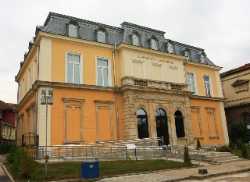
EcoMuseum with Aquarium
Museum
EcoMuseum with Aquarium
 Museum
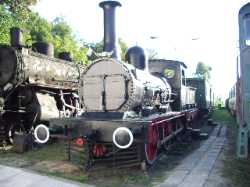
National Museum of Transport and Communications
Museum
National Museum of Transport and Communications
 Museum
Kaliopa House – Museum of Urban Life
Museum
Kaliopa House – Museum of Urban Life
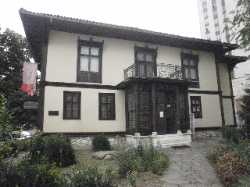 Museum
Baba Tonka House Museum / Nikola Obretenov House
Museum
Baba Tonka House Museum / Nikola Obretenov House
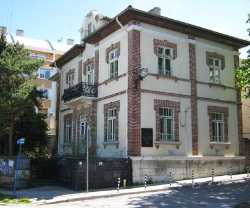 Museum
Zahari Stoyanov House Museum
Museum
Zahari Stoyanov House Museum
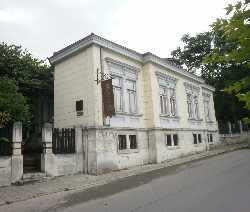 Museum
State Opera Ruse
Museum
State Opera Ruse
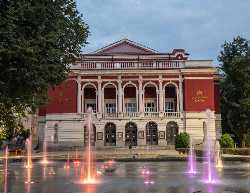 Opera House
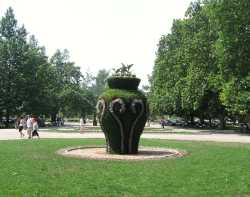
Mladezhki Park
Opera House
Mladezhki Park
 Park
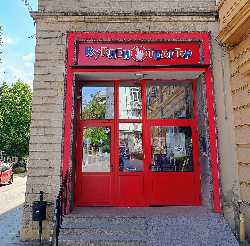
State Puppet Theater
Park
State Puppet Theater
 Theatre