National Museum of Transport and Communications
The National Museum of Transport and Communications in Ruse is a rare gem: Bulgaria’s first railway station, built in 1866, transformed into a museum that preserves the country’s early transport heritage. Its historic halls still carry the atmosphere of the Ottoman‑era station where the first Bulgarian train departed, making the visit feel like stepping into a living timeline. One of the most captivating sights is the collection of vintage locomotives and carriages, displayed on the original tracks. Among them are steam engines from the late 19th century and royal carriages used by Bulgarian monarchs—beautifully restored, with polished wood interiors and ornate details. The museum also keeps early telegraph and postal equipment, showing how communication evolved alongside rail travel. Inside the station building, visitors can explore rooms furnished exactly as they were: the stationmaster’s office, ticket counters, and waiting hall, all filled with authentic objects such as brass clocks, uniforms, and route maps. A charming detail is the preserved mechanical signalling system, once operated manually to guide trains along the Danube corridor.
Ruse Bulgaria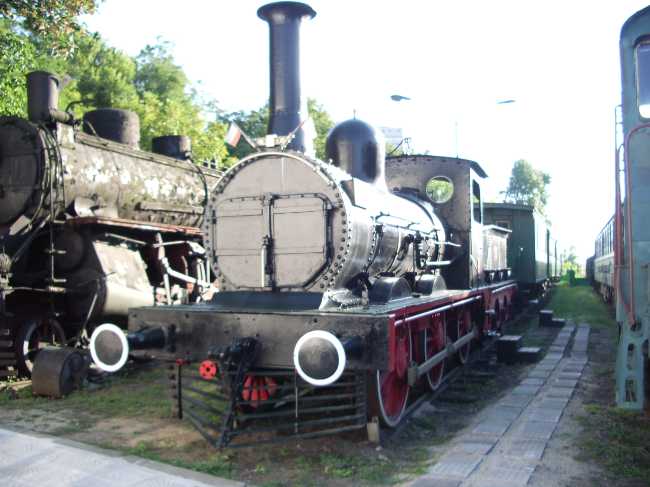
You will find it at ul. Bratya Obretenovi 5, 7002 Ruse, Center. It is housed in the very first railway station in Bulgaria, built in 1866, right on the bank of the Danube River. So the building itself is already a monument. Inside you can see old steam locomotives from 1868, royal train carriages and lots of stories about railways and communications. Because it is close to the river and not far from downtown, you have a lot nearby. A short walk brings you to the Danube promenade, perfect for a stroll with a view towards Romania. Heading towards the center, in ten minutes you are at Freedom Square with the Monument of Liberty, the Opera, the Drama Theatre and the City Garden. Very close are also the main museums of Ruse. The Regional Historical Museum housed in the beautiful Battenberg Palace, the EcoMuseum with Aquarium which has the largest freshwater aquarium in Bulgaria, and the Museum of Urban Life known as the House of Kaliopa are all in the central area. If you like ancient history, the Roman fortress of Sexaginta Prista is within the city, and the Ivanovo Rock-Hewn Churches, a UNESCO World Heritage site, are a short drive out of town.
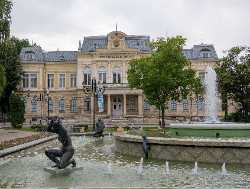 Museum
EcoMuseum with Aquarium
Museum
EcoMuseum with Aquarium
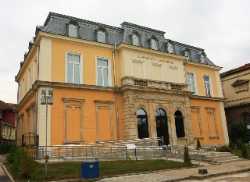 Museum
Kaliopa House – Museum of Urban Life
Museum
Kaliopa House – Museum of Urban Life
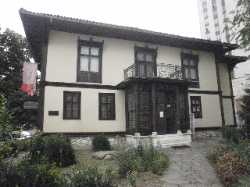 Museum
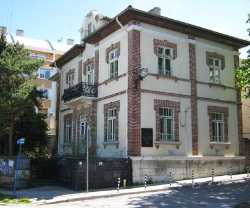
Baba Tonka House Museum / Nikola Obretenov House
Museum
Baba Tonka House Museum / Nikola Obretenov House
 Museum
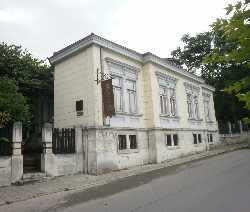
Zahari Stoyanov House Museum
Museum
Zahari Stoyanov House Museum
 Museum
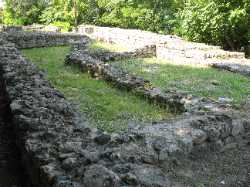
Sexaginta Prista Roman Fortress
Museum
Sexaginta Prista Roman Fortress
 Historical Landmark
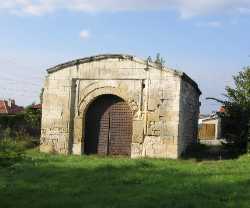
Kunt Kapu
Historical Landmark
Kunt Kapu
 Historical Landmark
Holy Trinity Cathedral Ruse
Historical Landmark
Holy Trinity Cathedral Ruse
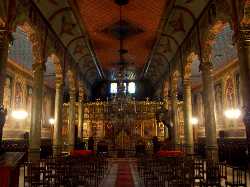 Church
Catholic Church Saint Paul
Church
Catholic Church Saint Paul
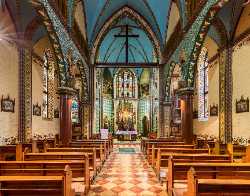 Church
State Opera Ruse
Church
State Opera Ruse
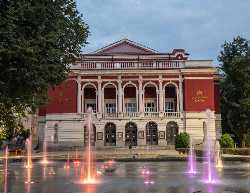 Opera House
State Puppet Theater
Opera House
State Puppet Theater
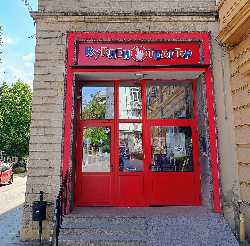 Theatre
Mladezhki Park
Theatre
Mladezhki Park
 Park
Park