Kunt Kapu
Kunt Kapu is one of Ruse’s most atmospheric historical corners, a surviving fragment of the old Ottoman‑era fortifications that once guarded the city. Its name, often translated as “Stone Gate,” reflects its original function as part of the defensive system controlling access between the Danube port and the inner town. Today, it stands quietly among modern streets, offering a rare glimpse into Ruse’s earlier layers. The most interesting feature is the arched stone passage, built with thick masonry that shows the engineering style of the 18th and early 19th centuries. Walking through it gives a sense of how traders, soldiers, and travellers once entered the bustling river settlement. The gate’s proportions and preserved details—such as the grooves where heavy wooden doors once slid—make it easy to imagine its former strategic importance. Inside the small surrounding area, visitors can see sections of the old walls, now integrated into later buildings. These remnants reveal how Ruse gradually expanded beyond its Ottoman fortifications as it transformed into a European‑style city. Informational panels explain the gate’s role in controlling movement of goods and people, highlighting Ruse’s long history as a Danube trading hub.
Ruse Bulgaria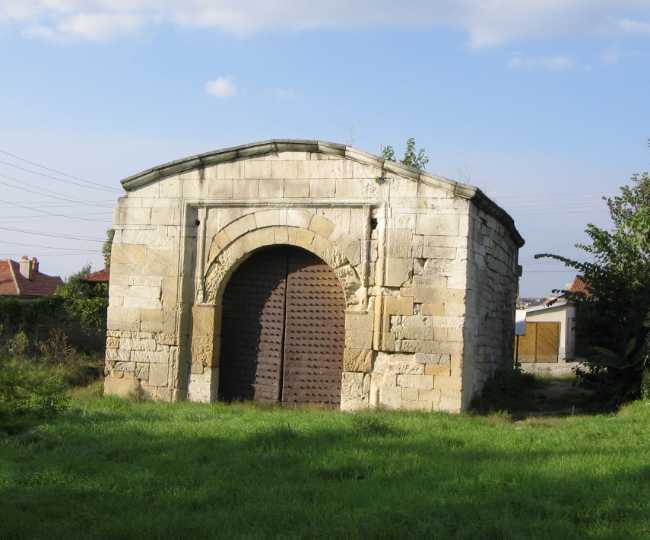
It was the southern gate of the Rousse fortress, built in 1820 during the Ottoman rule of Bulgaria. You will find it right in the center of Ruse, in the area of the old fortress near the southern edge of the historic core, close to the present day central streets around Tsar Osvoboditel Boulevard. It is not a big castle, just the remains of the old gate, but it marks the entrance to the once fortified town. Because it sits in downtown Ruse, you are surrounded by sights. A few minutes walk away is Freedom Square with the Monument of Liberty, the Opera, the Drama Theatre and the City Garden, as well as the Regional Historical Museum housed in the beautiful Battenberg Palace on Battenberg Square. Very close are also the EcoMuseum with Aquarium which holds the largest freshwater aquarium in Bulgaria, the Kaliopa House Museum of Urban Life on Tsar Ferdinand Street and the Baba Tonka House Museum on Baba Tonka Street. Nearby is also the Roman fortress of Sexaginta Prista, the ancient Port of the Sixty Ships on the Danube hill, and the National Museum of Transport and Communications in the first railway station of Bulgaria from 1866. The Danube promenade itself is just a short walk north.
 Museum
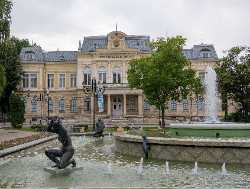
EcoMuseum with Aquarium
Museum
EcoMuseum with Aquarium
 Museum
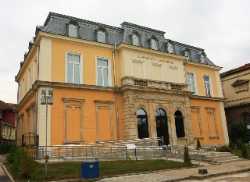
National Museum of Transport and Communications
Museum
National Museum of Transport and Communications
 Museum
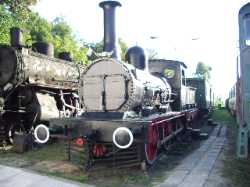
Kaliopa House – Museum of Urban Life
Museum
Kaliopa House – Museum of Urban Life
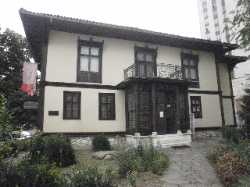 Museum
Baba Tonka House Museum / Nikola Obretenov House
Museum
Baba Tonka House Museum / Nikola Obretenov House
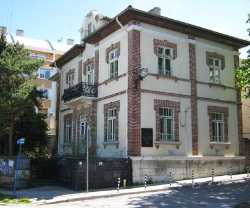 Museum
Zahari Stoyanov House Museum
Museum
Zahari Stoyanov House Museum
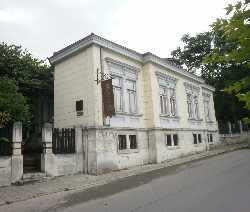 Museum
Sexaginta Prista Roman Fortress
Museum
Sexaginta Prista Roman Fortress
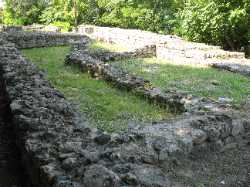 Historical Landmark
Holy Trinity Cathedral Ruse
Historical Landmark
Holy Trinity Cathedral Ruse
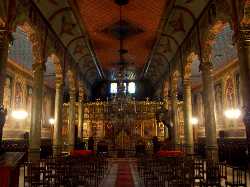 Church
Catholic Church Saint Paul
Church
Catholic Church Saint Paul
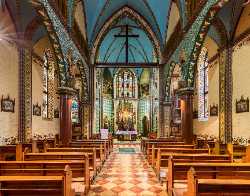 Church
State Opera Ruse
Church
State Opera Ruse
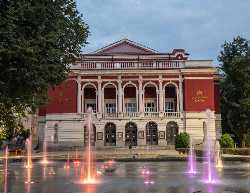 Opera House
State Puppet Theater
Opera House
State Puppet Theater
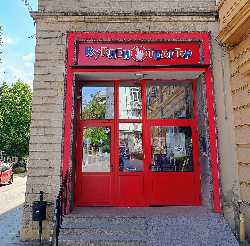 Theatre
Mladezhki Park
Theatre
Mladezhki Park
 Park
Park