Sexaginta Prista Roman Fortress
Sexaginta Prista is one of Ruse’s most atmospheric archaeological sites, a Roman military and naval fortress that once guarded the Danube frontier. Its name, meaning “Port of the Sixty Ships,” hints at its strategic importance: this was a base where river fleets, soldiers, and traders converged during the 1st–4th centuries AD. Walking through the site today offers a rare chance to stand inside a Roman outpost that shaped the region’s history. The most striking remains are the fortification walls and towers, revealing the scale of the defensive system. Visitors can explore the restored Roman barracks, where soldiers lived, and see foundations of storage rooms used for grain, weapons, and river equipment. A highlight is the Roman cult complex, including a small temple dedicated to deities worshipped by the garrison—an evocative reminder of the spiritual life of frontier troops. Archaeologists have uncovered coins, pottery, and military artefacts, many displayed in the on‑site exhibition. These objects show everyday life in the fortress: trade connections, food habits, and the multicultural mix of Roman, Thracian, and local influences. The elevated position offers views toward the Danube, helping visitors imagine the bustling port that once operated here.
Ruse Bulgaria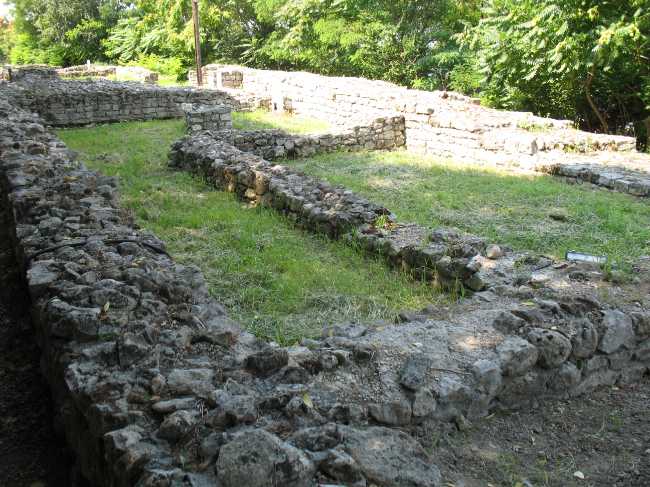
You will find it at ul. Tsar Kaloyan 2, 7000 Ruse, Center, on a small hill near the Danube River. The name means Port of the Sixty Ships and it was an important Roman military fortress and river port. Today you can see the northern fortress wall, the rectangular defense tower, army barracks and even an underground shrine to Apollo and the Thracian Horseman. The views over the Danube from the walls are really nice. Because it is so central, you have a lot nearby. A few minutes walk away is the Regional Historical Museum on Battenberg Square housed in the beautiful Battenberg Palace, which actually manages this site too. Very close is also the National Museum of Transport and Communications in the first railway station of Bulgaria from 1866, with old locomotives and royal carriages, right on the Danube bank. Heading into the old town you reach Freedom Square with the Monument of Liberty, the Opera, the Drama Theatre and the City Garden. Around there are the EcoMuseum with Aquarium with the largest freshwater aquarium in Bulgaria, the Kaliopa House Museum of Urban Life on Tsar Ferdinand Street and the Baba Tonka House Museum on Baba Tonka Street.
 Museum
EcoMuseum with Aquarium
Museum
EcoMuseum with Aquarium
 Museum
National Museum of Transport and Communications
Museum
National Museum of Transport and Communications
 Museum
Kaliopa House – Museum of Urban Life
Museum
Kaliopa House – Museum of Urban Life
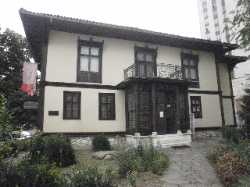 Museum
Baba Tonka House Museum / Nikola Obretenov House
Museum
Baba Tonka House Museum / Nikola Obretenov House
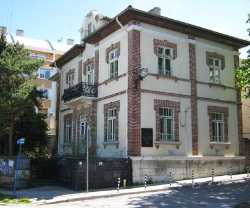 Museum
Zahari Stoyanov House Museum
Museum
Zahari Stoyanov House Museum
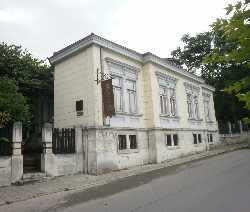 Museum
Kunt Kapu
Museum
Kunt Kapu
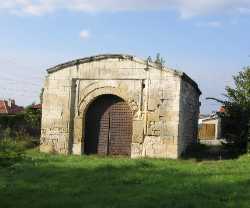 Historical Landmark
Holy Trinity Cathedral Ruse
Historical Landmark
Holy Trinity Cathedral Ruse
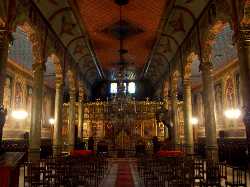 Church
Catholic Church Saint Paul
Church
Catholic Church Saint Paul
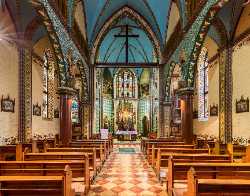 Church
State Opera Ruse
Church
State Opera Ruse
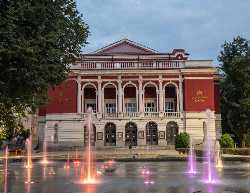 Opera House
State Puppet Theater
Opera House
State Puppet Theater
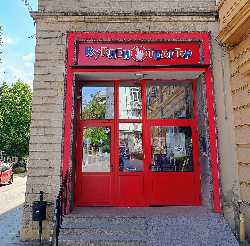 Theatre
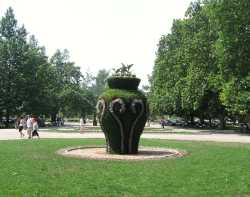
Mladezhki Park
Theatre
Mladezhki Park
 Park
Park