Torun
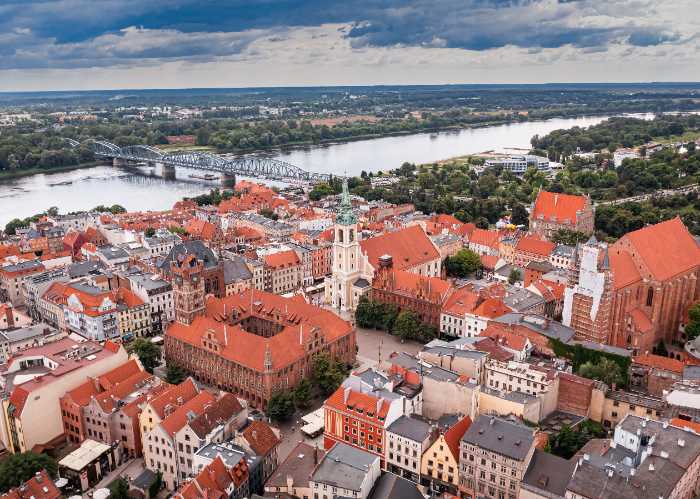
In a country where history has often been a series of tragic erasures and painstaking reconstructions, Toruń stands as a rare and beautiful exception. While cities like Warsaw and Gdańsk were forced to rise from the ashes of the 20th century, this medieval settlement on the banks of the Vistula River remained almost entirely untouched. Today, it serves as a stunningly preserved portal to the Middle Ages, where the weight of the past is felt in every weathered red brick and narrow, winding alleyway of its UNESCO-listed Old Town. The architectural identity of Toruń is defined by its "Brick Gothic" style—a sea of deep crimson masonry that seems to glow with a fiery warmth as the sun sets over the river. At the heart of the city lies the Old Town Hall, a massive, quadrangular structure that remains one of the most impressive examples of civic architecture in Central Europe. Nearby, the Cathedral of SS. Johns houses the Tuba Dei, one of the largest medieval bells in Poland. Its deep, resonant toll has signaled the passage of time for over five centuries, a sound that bridges the gap between the modern traveler and the medieval merchant. However, Toruń is perhaps most famous as the cradle of modern science. It was here, in 1473, that Nicolaus Copernicus was born—the man who would eventually "stop the sun and move the earth." His childhood home, a meticulously preserved Gothic house, now invites visitors to explore the domestic life of the Renaissance while reflecting on the cosmic shift his heliocentric theory caused. The city honors this legacy not just through statues and museums, but through a persistent atmosphere of intellectual curiosity, anchored by the prestigious university that bears his name. Wandering through Toruń is a sensory experience, largely thanks to the omnipresent scent of spices. The city’s gingerbread, or pierniki, is a tradition reaching back to the 14th century. Unlike the mass-produced versions found elsewhere, Toruń’s gingerbread is a craft, often pressed into intricate wooden molds depicting kings, knights, and the city’s coat of arms. At the Living Museum of Gingerbread, the process is treated with a level of theatrical reverence, allowing the history of the city to be quite literally tasted. In the spring of 2026, Toruń has proven that its historical heart can beat with contemporary vigor. The city recently played host to the World Athletics Indoor Championships, and as of late March, the streets are filled with athletes from across the continent for the European Masters Athletics Indoor Championships. This juxtaposition of ancient walls and high-octane modern sport perfectly encapsulates the city's enduring appeal: it is a place where the 13th and 21st centuries exist in a graceful, unhurried harmony.
What to see in Torun
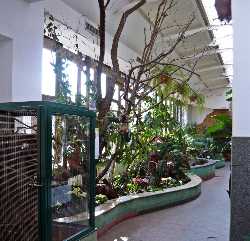 Botanical Garden
Ruiny Zamku Dybów i Gród Nieszawa w Toruniu
Botanical Garden
Ruiny Zamku Dybów i Gród Nieszawa w Toruniu
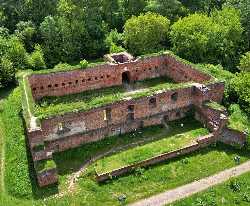 Castle
Ruins of the Teutonic Order Castle
Castle
Ruins of the Teutonic Order Castle
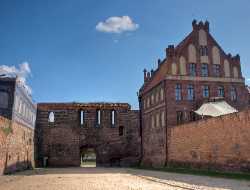 Castle
St. Johns' Cathedral
Castle
St. Johns' Cathedral
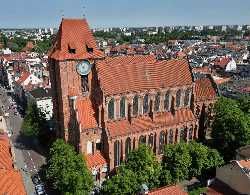 Cathedral
Church of St. Maximilian Kolbe
Cathedral
Church of St. Maximilian Kolbe
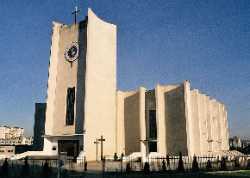 Church
 of the Holy Spirit
Church
Church of the Holy Spirit
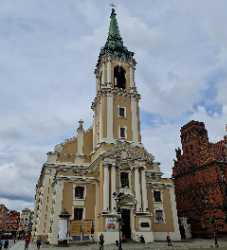 Church
St. Jacob’s Church
Church
St. Jacob’s Church
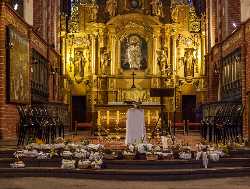 Church
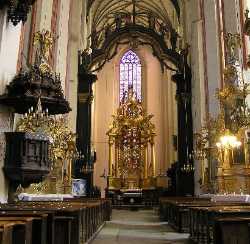
The Church of the Assumption of the Blessed Virgin Mary
Church
The Church of the Assumption of the Blessed Virgin Mary
 Church
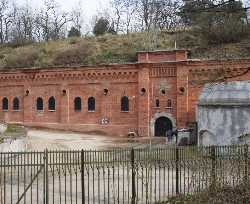
Twierdza Toruń - Fort IV
Church
Twierdza Toruń - Fort IV
 Fortress
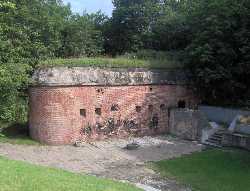
Twierdza Toruń - Fort VII im. Tadeusza Kościuszki
Fortress
Twierdza Toruń - Fort VII im. Tadeusza Kościuszki
 Fortress
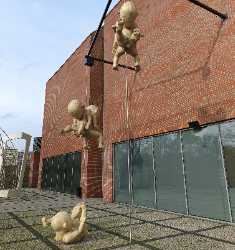
Centre of Contemporary Art Znaki Czasu
Fortress
Centre of Contemporary Art Znaki Czasu
 Gallery
 of Art Wozownia
Gallery
Gallery of Art Wozownia
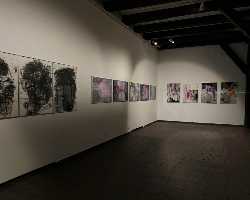 Gallery
Brama Klasztorna
Gallery
Brama Klasztorna
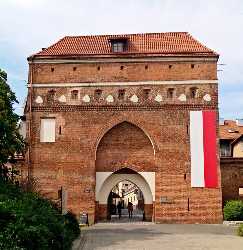 Historical Landmark
Nicolaus Copernicus Monument
Historical Landmark
Nicolaus Copernicus Monument
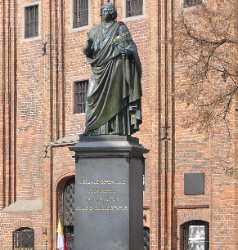 Monument
Nicolaus Copernicus House Museum
Monument
Nicolaus Copernicus House Museum
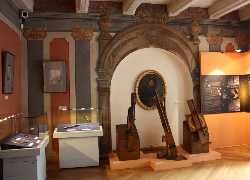 Museum
Muzeum „Pamięć i Tożsamość” im. św. Jana Pawła II
Museum
Muzeum „Pamięć i Tożsamość” im. św. Jana Pawła II
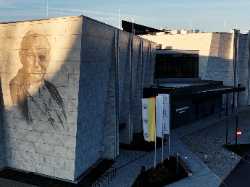 Museum
Kamienica pod Gwiazdą
Museum
Kamienica pod Gwiazdą
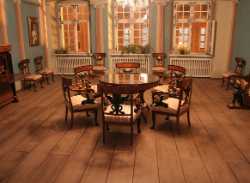 Museum
Nicolaus Copernicus University Museum
Museum
Nicolaus Copernicus University Museum
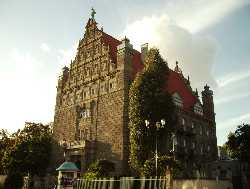 Museum
 of Knights and Toy Soldiers
Museum
Museum of Knights and Toy Soldiers
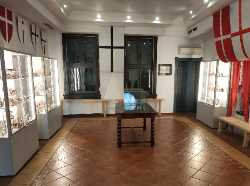 Museum
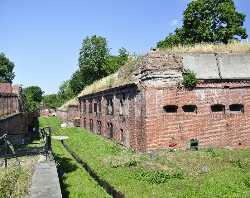
Toruń Fortress Museum
Museum
Toruń Fortress Museum
 Museum
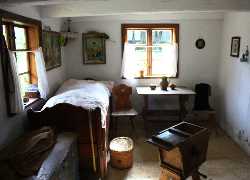
Ethnographic Museum in Toruń
Museum
Ethnographic Museum in Toruń
 Museum
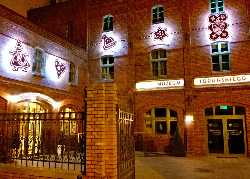
Muzeum Toruńskiego Piernika
Museum
Muzeum Toruńskiego Piernika
 Museum
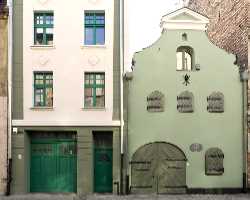
Muzeum Podróżników im. Tony'ego Halika
Museum
Muzeum Podróżników im. Tony'ego Halika
 Museum
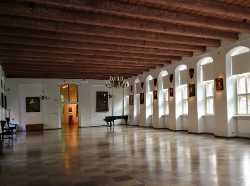
District Museum in Toruń
Museum
District Museum in Toruń
 Museum
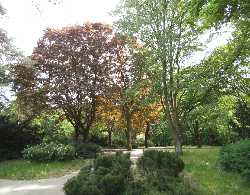
City Park
Museum
City Park
 Park
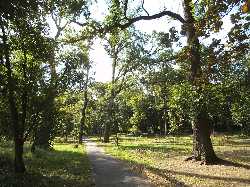
Park Tysiąclecia
Park
Park Tysiąclecia
 Park
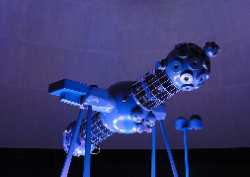
Planetarium. W. Dziewulskiego
Park
Planetarium. W. Dziewulskiego
 Planetarium
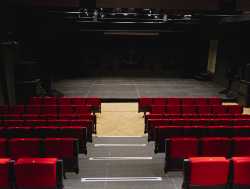
Kujawsko-Pomorski Teatr Muzyczny w Toruniu
Planetarium
Kujawsko-Pomorski Teatr Muzyczny w Toruniu
 Theatre
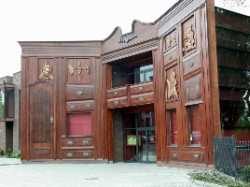
Baj Pomorski Theatre
Theatre
Baj Pomorski Theatre
 Theatre
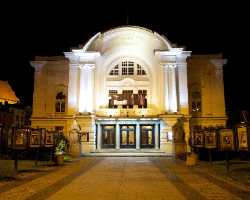
Wilam Horzyca Theatre
Theatre
Wilam Horzyca Theatre
 Theatre
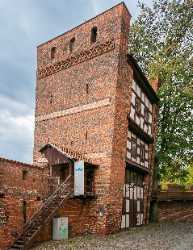
Leaning Tower of Toruń
Theatre
Leaning Tower of Toruń
 Tourist attraction
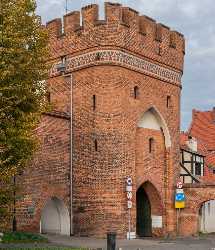
Mostowa Gate
Tourist attraction
Mostowa Gate
 Tourist attraction