Tallinna värav
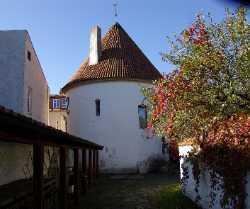
Tallinna Gate is one of Pärnu’s most iconic historical landmarks, a rare surviving reminder of the city’s once‑formidable 17th‑century fortifications. Built in the 1690s during Swedish rule, it served as the main ceremonial entrance to the fortified town for travellers arriving from Tallinn. Unlike many European city gates, it was designed not only for defence but also to impress, with its elegant Baroque façade and symbolic heraldic details. The gate’s history reflects Pärnu’s strategic importance. As a key Baltic port, the city was heavily fortified, and Tallinna Gate formed part of a complex system of bastions and ramparts. Remarkably, it survived later demolitions when most of the fortifications were removed in the 19th century to make way for urban expansion.
Pärnu Estonia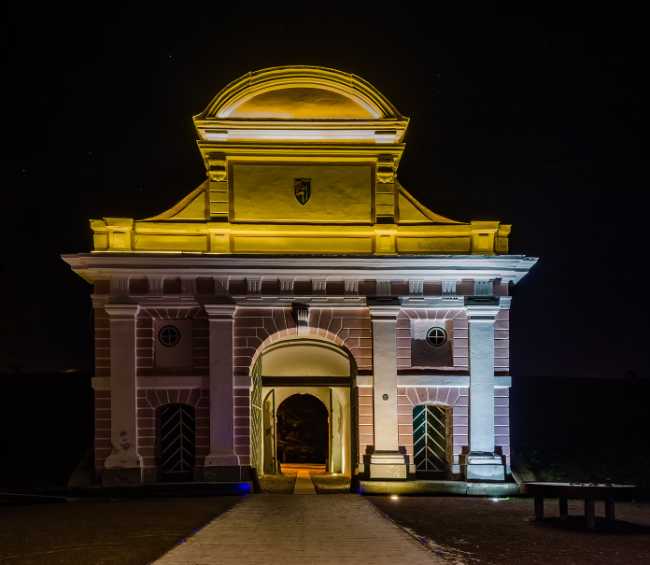
Tallinna värav is located in the old town area of Pärnu at Kuninga tn 1, right by the historic city fortifications. It is the last surviving rampart gate in the Baltics from the 17th century, so it is one of the city’s best-known historic landmarks. The gate is close to several pleasant places to visit on foot. Nearby you can explore Pärnu Vallikäär, Valli Park, and Munamäe Park, which are good for a short walk or a rest in green surroundings. St. Elizabeth’s Church and Pärnu Town Hall are also within the same central sightseeing area, making it easy to combine several historic stops in one visit.
 Museum
Koidula Muuseum
Museum
Koidula Muuseum
 Museum
 of New Art
Museum
Museum of New Art
 Museum
Punane torn
Museum
Punane torn
 Museum
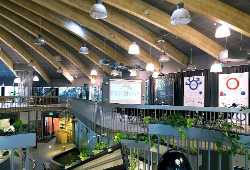
Pernova Nature House
Museum
Pernova Nature House
 Museum
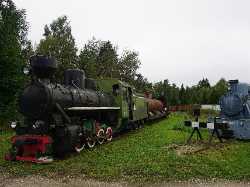
Eesti Muuseumraudtee
Museum
Eesti Muuseumraudtee
 Museum
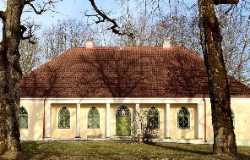
Audru Museum
Museum
Audru Museum
 Museum
Sindi Museum
Museum
Sindi Museum
 Museum
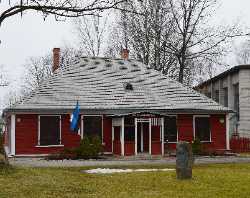
Kihnu Museum
Museum
Kihnu Museum
 Museum
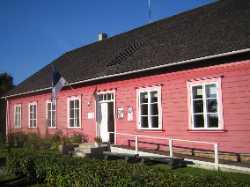
Häädemeeste Museum
Museum
Häädemeeste Museum
 Museum
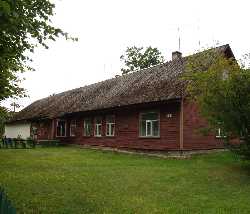
Carl Robert Jakobsoni Talumuuseum
Museum
Carl Robert Jakobsoni Talumuuseum
 Museum
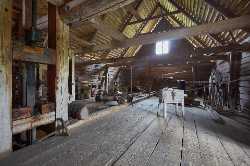
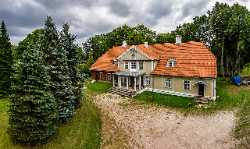
Uue Varbla Mõis
Museum
Uue Varbla Mõis
 Museum
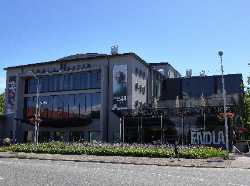
Endla Theatre
Museum
Endla Theatre
 Theatre
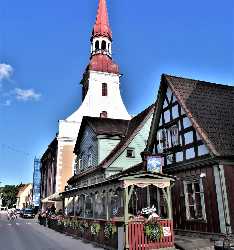
St. Elizabeth's Church
Theatre
St. Elizabeth's Church
 Church
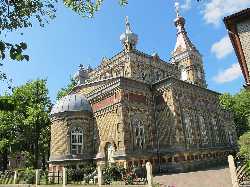
Pärnu Transformation of Our Lord Church
Church
Pärnu Transformation of Our Lord Church
 Church
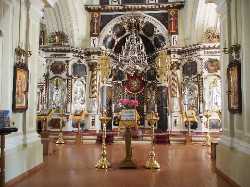
 Of Catharina
Church
Church Of Catharina
 Church
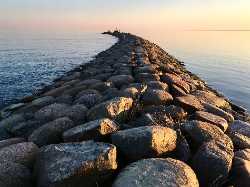
Pärnu muul
Church
Pärnu muul
 Tourist attraction
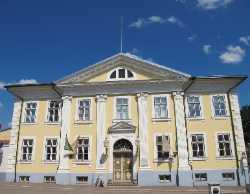
Pärnu Town Hall
Tourist attraction
Pärnu Town Hall
 Town Hall
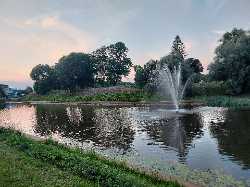
Vallikäär Park
Town Hall
Vallikäär Park
 Park
Park