Pärnu muul
Pärnu’s muul, the long stone jetty stretching boldly into the Bay of Pärnu, is one of the city’s most beloved landmarks. Built in the mid‑19th century to protect the harbour from drifting sand, it transformed Pärnu’s coastline and helped the town grow into a major Baltic spa destination. The construction was a remarkable engineering effort: thousands of granite blocks were transported from Saaremaa and carefully placed to stabilise the shifting seabed. The jetty is actually a pair of breakwaters—the North and South jetties—forming a dramatic corridor of sea and sky. The South Jetty, nearly two kilometres long, is the one visitors most often walk. For generations, strolling to the very end has been a local tradition, said to bring good luck to couples who kiss where the waves meet.
Pärnu Estonia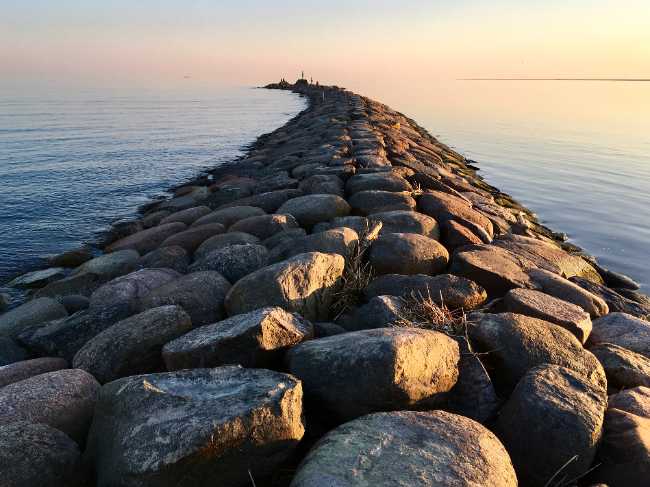
Pärnu muul is located at the end of the waterfront in Pärnu, on the coast near Pärnu Bay. It is one of the city’s best-known seaside landmarks and a very popular place for a relaxing walk, especially at sunset. The area around the mole is easy to enjoy on foot. Nearby you can visit Pärnu Beach, Rannapark, and the beach promenade, all of which are among the city’s main tourist attractions. The boardwalk area also connects well with the harbour and river mouth, so it is a nice place for watching boats, walking by the sea, or taking photos.
 Museum
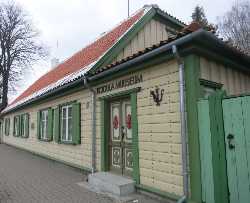
Koidula Muuseum
Museum
Koidula Muuseum
 Museum
 of New Art
Museum
Museum of New Art
 Museum
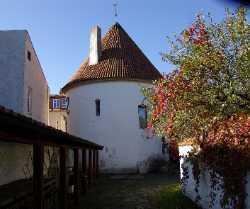
Punane torn
Museum
Punane torn
 Museum
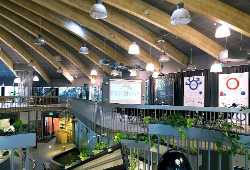
Pernova Nature House
Museum
Pernova Nature House
 Museum
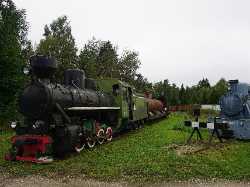
Eesti Muuseumraudtee
Museum
Eesti Muuseumraudtee
 Museum
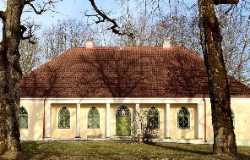
Audru Museum
Museum
Audru Museum
 Museum
Sindi Museum
Museum
Sindi Museum
 Museum
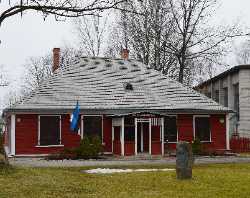
Kihnu Museum
Museum
Kihnu Museum
 Museum
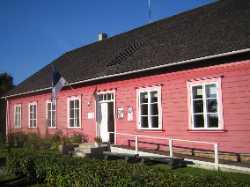
Häädemeeste Museum
Museum
Häädemeeste Museum
 Museum
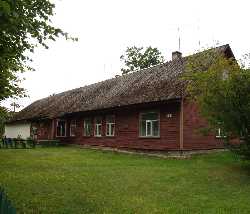
Carl Robert Jakobsoni Talumuuseum
Museum
Carl Robert Jakobsoni Talumuuseum
 Museum
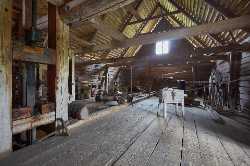
Uue Varbla Mõis
Museum
Uue Varbla Mõis
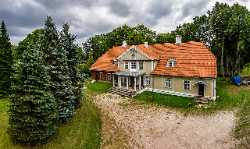 Museum
Tallinna värav
Museum
Tallinna värav
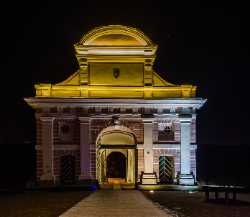 Historical Landmark
Endla Theatre
Historical Landmark
Endla Theatre
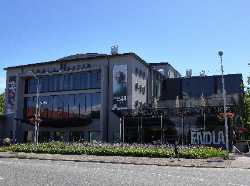 Theatre
St. Elizabeth's Church
Theatre
St. Elizabeth's Church
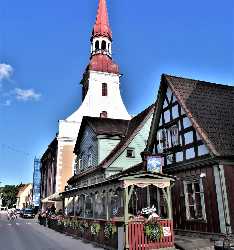 Church
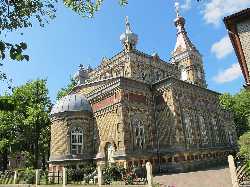
Pärnu Transformation of Our Lord Church
Church
Pärnu Transformation of Our Lord Church
 Church
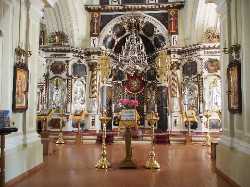
 Of Catharina
Church
Church Of Catharina
 Church
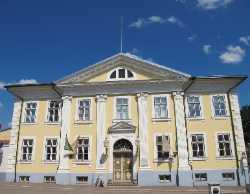
Pärnu Town Hall
Church
Pärnu Town Hall
 Town Hall
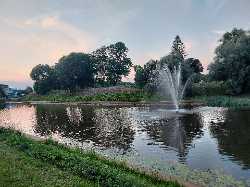
Vallikäär Park
Town Hall
Vallikäär Park
 Park
Park