Cluj-Napoca National Theatre
Cluj‑Napoca National Theatre is one of Romania’s most elegant cultural landmarks, a building that blends late‑Secession architecture with theatrical grandeur. Completed in 1906 by Austrian architects Fellner & Helmer, it was designed to impress from the moment visitors step inside. Its façade, decorated with sculpted masks and ornate columns, hints at the world of drama and music waiting beyond the doors. The interior is the true highlight. The main hall glows with gold leaf, crystal chandeliers, and red velvet seating arranged beneath a richly painted ceiling. The horseshoe‑shaped auditorium was engineered for exceptional acoustics, making both opera and spoken theatre resonate with clarity. One of the most interesting features is the stage machinery—partially original—showing how early 20th‑century theatres managed complex scenery changes long before digital technology. Visitors can also admire the foyer’s murals, which depict allegories of art and performance, and the sculpted details that celebrate Cluj’s multicultural heritage. The theatre hosts opera, drama, and ballet, often staging Romanian classics alongside contemporary productions, keeping its historic halls vibrantly alive.
Cluj-Napoca Romania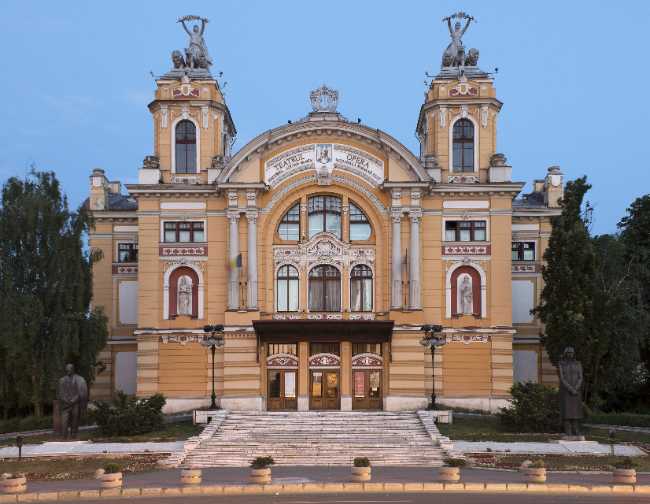
Sharing a grand building with the Romanian Opera, the Lucian Blaga National Theatre stands at the edge of Avram Iancu Square, one of Cluj-Napoca’s most elegant public spaces. Built between 1904 and 1906 by Viennese architects Fellner and Helmer, the theater is a striking Art Nouveau landmark with Neo-Baroque details. The ornate facade, sweeping staircases, and gilded main hall seating over 900 give every performance a touch of early 20th-century glamour. Since 1919 it has been home to the Romanian National Theatre, premiering the works of Lucian Blaga and hosting drama, ballet, and opera in Romanian year-round. From here, the old town is easily walkable. St. Michael’s Church and the Matthias Corvinus statue in Piața Unirii are about ten minutes on foot, along with Bánffy Palace, the Art Museum, and the Pharmacy Museum. Museum Square, the Franciscan Church, and the National Museum of Transylvanian History are nearby too. Cafés and bookshops line the surrounding streets, and Central Park is a short stroll for a break between shows. Check the schedule at the ticket office across the street — students and seniors get discounts — and arrive early to admire the interior before the curtain rises.
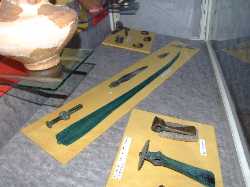 Museum
Ethnographic Park Romulus Vuia
Museum
Ethnographic Park Romulus Vuia
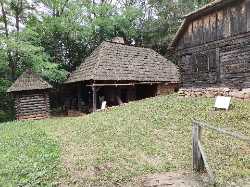 Museum
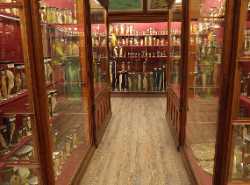
Pharmacy Museum
Museum
Pharmacy Museum
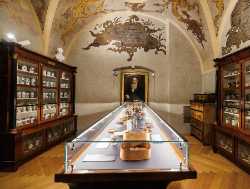 Museum
Zoological Museum
Museum
Zoological Museum
 Museum
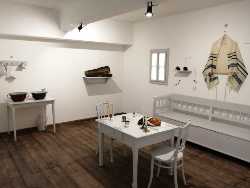
Muzeon – Jewish History Museum
Museum
Muzeon – Jewish History Museum
 Museum
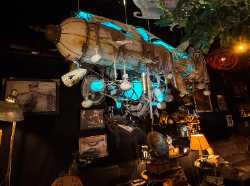
Steampunk Transylvania
Museum
Steampunk Transylvania
 Museum
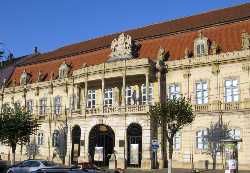
Banffy Palace
Museum
Banffy Palace
 Palace
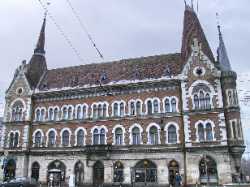
Széki Palace
Palace
Széki Palace
 Palace
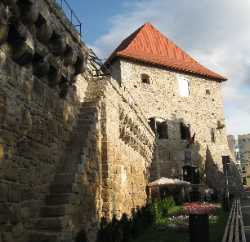
Tailors' Tower
Palace
Tailors' Tower
 Historical Landmark
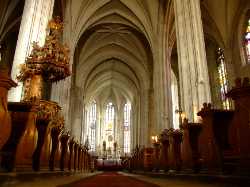
St. Michael's Church Cluj-Napoca
Historical Landmark
St. Michael's Church Cluj-Napoca
 Church
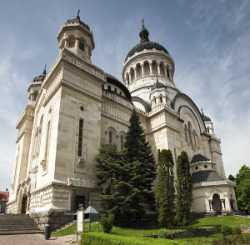
Dormition of the Theotokos Metropolitan Cathedral
Church
Dormition of the Theotokos Metropolitan Cathedral
 Cathedral
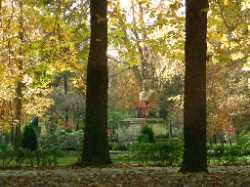
Central Park Simion Bărnuțiu
Cathedral
Central Park Simion Bărnuțiu
 Park
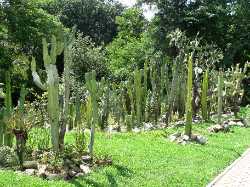
Alexandru Borza Botanical Garden
Park
Alexandru Borza Botanical Garden
 Botanical Garden
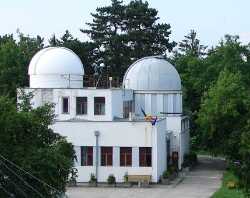
Observatorul Astronomic
Botanical Garden
Observatorul Astronomic
 Observatory