National Museum of Transylvanian History
The National Museum of Transylvanian History, located in the heart of Cluj‑Napoca, is one of the city’s most important cultural institutions, offering a deep dive into the region’s past from prehistoric times to the modern era. Housed in the historic Kemeny Palace, the museum combines elegant architecture with a rich, carefully curated collection that highlights Transylvania’s multicultural heritage. Inside, visitors explore archaeological treasures such as Dacian tools, Roman ceramics, and medieval weaponry discovered across the region. One of the most interesting facts is that the museum preserves artifacts from the ancient Roman city of Napoca, including coins, inscriptions, and everyday objects that reveal how people lived nearly two millennia ago. The medieval section showcases guild items, religious art, and fragments of fortifications that illustrate Cluj’s development as a thriving urban center. A highlight is the numismatic collection, one of the largest in Romania, featuring coins from Greek colonies, Roman emperors, medieval princes, and Habsburg rulers. The museum also presents detailed models of historic Cluj, helping visitors visualize how the city evolved through political and cultural shifts.
Cluj-Napoca Romania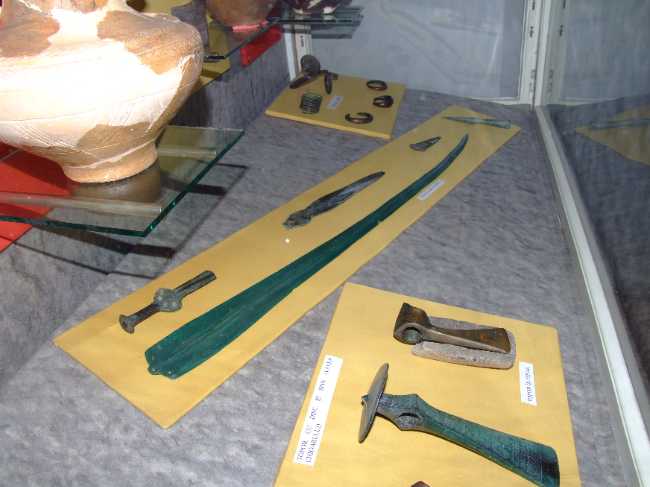
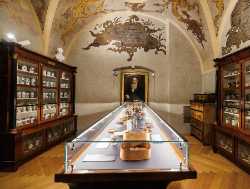
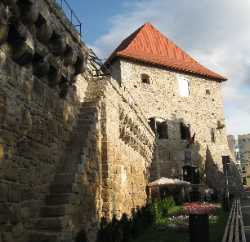
The National Museum of Transylvanian History occupies Strada Constantin Daicoviciu 2, in the heart of Cluj-Napoca’s old town at Piața Muzeului. Founded in 1859, it is one of Romania’s oldest museums and houses vast archaeology and history collections that trace Transylvania’s past from Paleolithic times through the medieval and modern eras. The permanent exhibition presents Dacian, Roman, and medieval artifacts, including weapons, jewelry, pottery, tombstones, and the largest hoard of Bronze Age objects in Europe. A special “Tezaur” section displays gold and silver treasures, while a separate Pharmacy Historical Collection is shown in the 19th-century Hintz House on Union Square. Temporary exhibitions often feature Egyptian mummies, WWI photography, and regional folk heritage. You’re in the historic center, so major sights are all around. The museum stands steps from the Franciscan Church and the 15th-century Matthias Corvinus House, birthplace of King Matthias. A short walk brings you to Piața Unirii, dominated by the Gothic St. Michael’s Church and the equestrian statue of Matthias Corvinus. Next to it is the baroque Banffy Palace, now the Art Museum of Cluj-Napoca. The Tailors’ Bastion, part of the medieval city walls, is nearby, as is Central Park with its lake and casino building. Cafés, bookshops, and artisan boutiques fill the cobbled streets around the museum.
 Museum
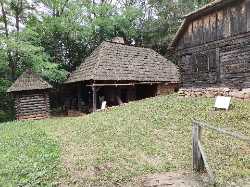
Pharmacy Museum
Museum
Pharmacy Museum
 Museum
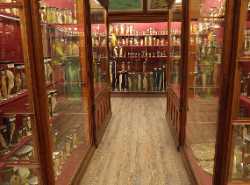
Zoological Museum
Museum
Zoological Museum
 Museum
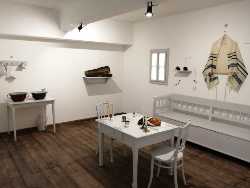
Muzeon – Jewish History Museum
Museum
Muzeon – Jewish History Museum
 Museum
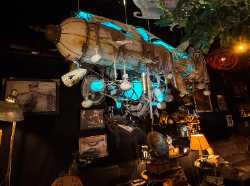
Steampunk Transylvania
Museum
Steampunk Transylvania
 Museum
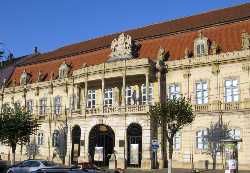
Banffy Palace
Museum
Banffy Palace
 Palace
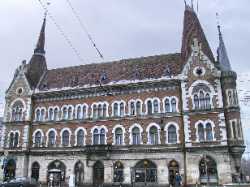
Széki Palace
Palace
Széki Palace
 Palace
Tailors' Tower
Palace
Tailors' Tower
 Historical Landmark
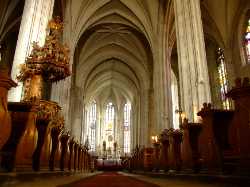
St. Michael's Church Cluj-Napoca
Historical Landmark
St. Michael's Church Cluj-Napoca
 Church
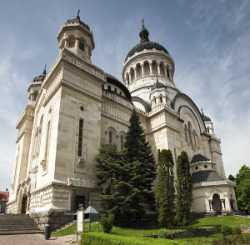
Dormition of the Theotokos Metropolitan Cathedral
Church
Dormition of the Theotokos Metropolitan Cathedral
 Cathedral
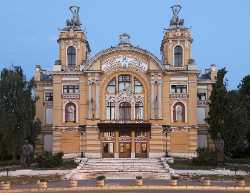
Cluj-Napoca National Theatre
Cathedral
Cluj-Napoca National Theatre
 Theatre
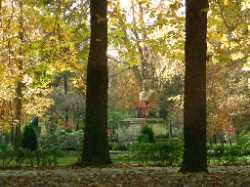
Central Park Simion Bărnuțiu
Theatre
Central Park Simion Bărnuțiu
 Park
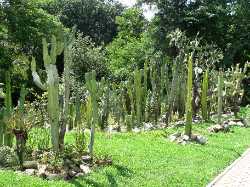
Alexandru Borza Botanical Garden
Park
Alexandru Borza Botanical Garden
 Botanical Garden
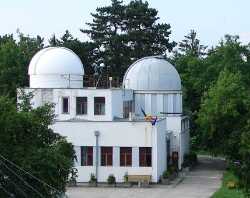
Observatorul Astronomic
Botanical Garden
Observatorul Astronomic
 Observatory