Observatorul Astronomic
Observatorul Astronomic in Cluj‑Napoca is a quiet gateway to the cosmos, founded in 1921 as part of the university’s early scientific expansion. Set on a small hill in the Andrei Mureșanu district, it offers a blend of historical charm and hands‑on astronomy, making it one of the city’s most intriguing educational landmarks. Inside, visitors can explore the main observation hall, where the classic Zeiss refracting telescope remains the star attraction. This instrument, installed in the mid‑20th century, has been used for decades of planetary and lunar observations. Its precision and craftsmanship make it a fascinating object even when the sky is cloudy. The dome itself is an experience: a manually operated mechanism that rotates smoothly, revealing the night sky through a narrow opening. The exhibition rooms present meteorites, star charts, and early astronomical instruments that show how scientists once mapped the heavens. One of the most interesting features is the collection of archival photographs documenting solar activity—sunspots captured long before digital imaging.
Cluj-Napoca Romania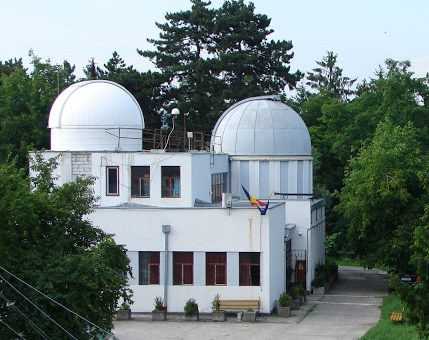
Perched on the hill in Cluj-Napoca’s Zorilor neighborhood, Observatorul Astronomic is the city’s window to the night sky. Run by Babeș-Bolyai University, the observatory sits on Strada Cireșilor and welcomes visitors on clear evenings to peer through its 300mm Meade telescope. It’s open mainly Tuesday to Saturday afternoons and evenings, with affordable entry and discounts for students and seniors, but it’s smart to call ahead since public nights depend on weather and academic schedules. The observatory is a short bus ride or 15-minute drive from the city center, yet the area feels quiet and leafy. Right nearby are several university museums worth combining into a science-themed afternoon: the Zoology Museum, the Pharmacy History Collection in Casa Hintz, the Ethnographic Museum of Transylvania, and the Art Museum of Cluj-Napoca in Bánffy Palace. From the observatory hill you can easily reach other attractions. The Alexandru Borza Botanical Garden is a few minutes away with its Japanese Garden and greenhouses, while Central Park Simion Bărnuțiu and Cluj Arena are downhill toward the Someșul Mic. If you continue into the old town, you’ll hit Piața Unirii with St. Michael’s Church, the Matthias Corvinus statue, and Museum Square’s cafés. After stargazing, the Zorilor district has local restaurants and bars, and buses connect you back to the center in minutes.
 Museum
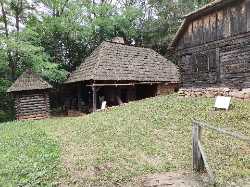
Ethnographic Park Romulus Vuia
Museum
Ethnographic Park Romulus Vuia
 Museum
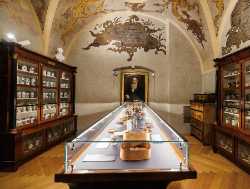
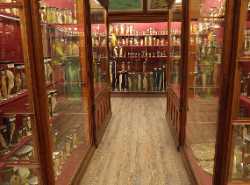
Pharmacy Museum
Museum
Pharmacy Museum
 Museum
Zoological Museum
Museum
Zoological Museum
 Museum
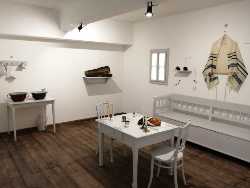
Muzeon – Jewish History Museum
Museum
Muzeon – Jewish History Museum
 Museum
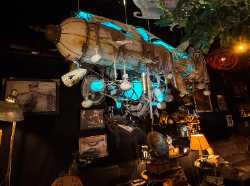
Steampunk Transylvania
Museum
Steampunk Transylvania
 Museum
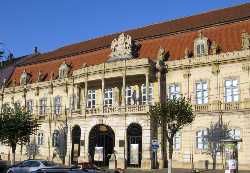
Banffy Palace
Museum
Banffy Palace
 Palace
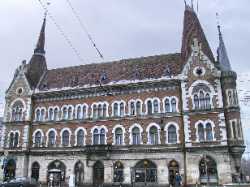
Széki Palace
Palace
Széki Palace
 Palace
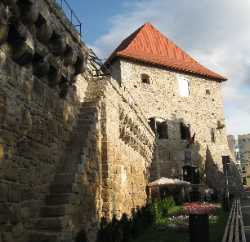
Tailors' Tower
Palace
Tailors' Tower
 Historical Landmark
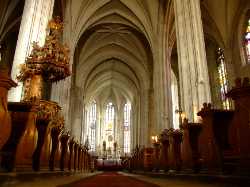
St. Michael's Church Cluj-Napoca
Historical Landmark
St. Michael's Church Cluj-Napoca
 Church
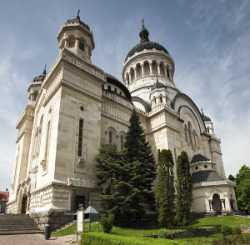
Dormition of the Theotokos Metropolitan Cathedral
Church
Dormition of the Theotokos Metropolitan Cathedral
 Cathedral
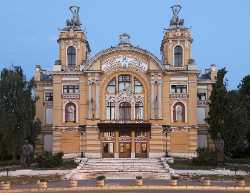
Cluj-Napoca National Theatre
Cathedral
Cluj-Napoca National Theatre
 Theatre
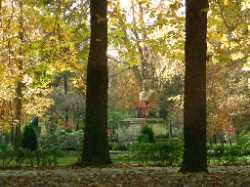
Central Park Simion Bărnuțiu
Theatre
Central Park Simion Bărnuțiu
 Park
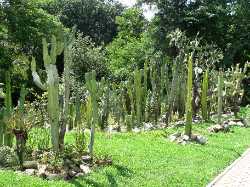
Alexandru Borza Botanical Garden
Park
Alexandru Borza Botanical Garden
 Botanical Garden