Ethnographic Park Romulus Vuia
Ethnographic Park Romulus Vuia in Cluj‑Napoca is Romania’s oldest open‑air museum, founded in 1929 to preserve the rural soul of Transylvania. Spread across a quiet hillside, it gathers authentic farmsteads, workshops, and wooden churches brought from villages across the region. What makes the park remarkable is its focus on living heritage: each structure was relocated piece by piece, keeping original beams, carvings, and layout intact. Inside, visitors can wander through traditional households from the Apuseni Mountains, Saxon‑influenced barns from southern Transylvania, and rare shepherd installations that show how pastoral life shaped the region. One highlight is the 18th‑century wooden church from Căpușu Mare, a beautifully preserved example of rural religious architecture with shingled roofs and hand‑painted interiors. Another is the blacksmith’s workshop, where tools and furnaces illustrate centuries‑old craftsmanship. The park also includes seasonal exhibitions and demonstrations of weaving, pottery, and woodworking, turning the visit into a quiet immersion into everyday life before industrialization. It’s a place where architecture, landscape, and memory blend into a vivid portrait of Transylvania’s cultural identity.
Cluj-Napoca Romania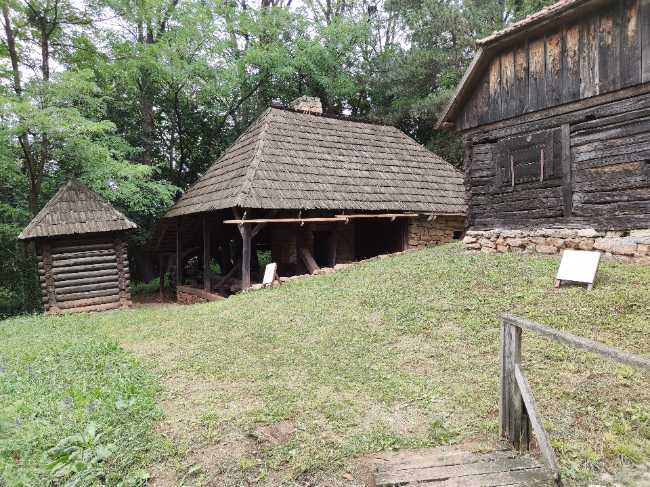
Nestled on the northwestern edge of Cluj-Napoca, the Ethnographic Park Romulus Vuia feels like stepping straight into a Transylvanian village from centuries past. Founded in 1929 as Romania’s first open-air museum, it spreads over leafy hills beside Hoia Forest and showcases more than 200 authentic houses, workshops, mills, and churches brought here from across the region. You can wander between wooden farmsteads from Maramureș and Oaș, peek inside old water mills, and admire the carved details of 17th-century wooden churches from Cizer and Chiraleș. The park is split into thematic areas highlighting traditional crafts, from wool weaving and pottery to blacksmithing and farming tools, giving you a real sense of rural life. Nearby, you’re only minutes from some of Cluj’s favorite spots. Cetățuia Park offers sweeping views over the city and is perfect for sunset, while Cluj Arena and Central Park Simion Bărnuțiu make for lively walks by the Someș River. Head toward the center and you’ll reach St. Michael’s Church in Union Square, the Art Museum of Cluj-Napoca in Bánffy Palace, and the National Museum of Transylvanian History. If you have time, the Ethnographical Museum’s indoor section downtown pairs perfectly with the park. Open Wednesday to Sunday, the site is especially vibrant on weekends when craftspeople demonstrate old techniques and folk festivals fill the lanes with music.
 Museum
Pharmacy Museum
Museum
Pharmacy Museum
 Museum
Zoological Museum
Museum
Zoological Museum
 Museum
Muzeon – Jewish History Museum
Museum
Muzeon – Jewish History Museum
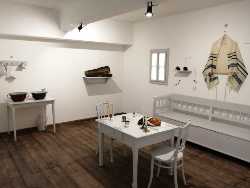 Museum
Steampunk Transylvania
Museum
Steampunk Transylvania
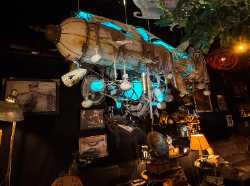 Museum
Banffy Palace
Museum
Banffy Palace
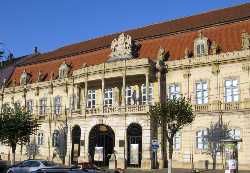 Palace
Széki Palace
Palace
Széki Palace
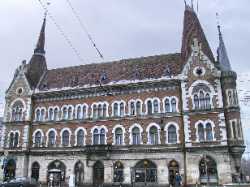 Palace
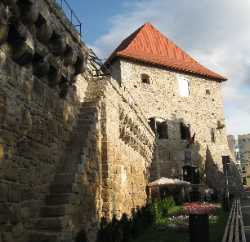
Tailors' Tower
Palace
Tailors' Tower
 Historical Landmark
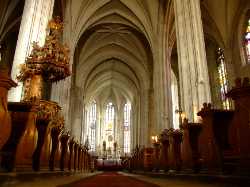
St. Michael's Church Cluj-Napoca
Historical Landmark
St. Michael's Church Cluj-Napoca
 Church
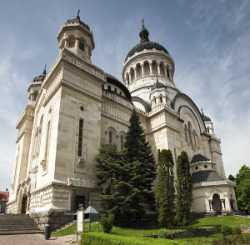
Dormition of the Theotokos Metropolitan Cathedral
Church
Dormition of the Theotokos Metropolitan Cathedral
 Cathedral
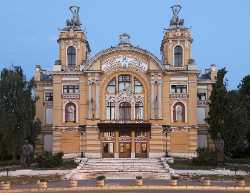
Cluj-Napoca National Theatre
Cathedral
Cluj-Napoca National Theatre
 Theatre
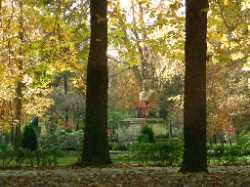
Central Park Simion Bărnuțiu
Theatre
Central Park Simion Bărnuțiu
 Park
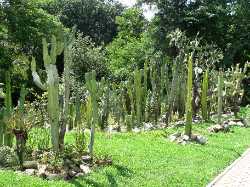
Alexandru Borza Botanical Garden
Park
Alexandru Borza Botanical Garden
 Botanical Garden
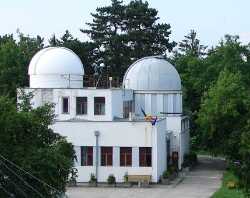
Observatorul Astronomic
Botanical Garden
Observatorul Astronomic
 Observatory