Palace of Culture Târgu Mureș
The Palace of Culture in Târgu Mureș is one of Transylvania’s most striking architectural landmarks, built between 1911 and 1913 in an eclectic Secession style that blends Art Nouveau with Renaissance and Baroque influences. Its façade, decorated with mosaics and sculptural details, immediately signals the building’s cultural ambition. An interesting fact is that the palace was designed by the same architects who created Iași’s theatre—Fellner & Helmer—giving it a distinguished place in Central European architectural history. Inside, the palace houses several museums that together form a rich cultural ensemble. The Hall of Mirrors is the star attraction: a long ceremonial hall lined with Venetian‑style mirrors, stained‑glass windows depicting Transylvanian folk scenes, and ornate stucco work. Its atmosphere is both elegant and deeply symbolic, celebrating the region’s multicultural heritage. The Art Museum displays an impressive collection of Romanian and Hungarian painting, including works by Tonitza, Grigorescu, and Mattis‑Teutsch. The History Museum presents archaeological finds, medieval artifacts, and documents that trace the evolution of Târgu Mureș. Visitors can also explore the Ethnographic Museum, where traditional textiles, ceramics, and rural interiors reveal the richness of local folk culture.
Târgu Mureș Romania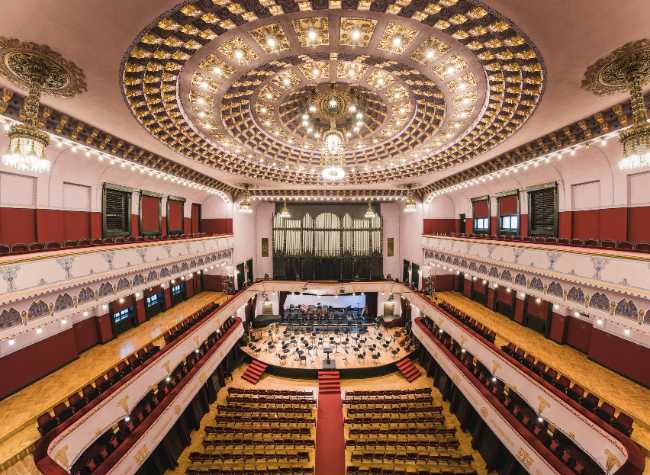
The Palace of Culture is located on Piața Victoriei, at the end of Roses Square in central Târgu Mureș. Built between 1911 and 1913 by architects Marcell Komor and Dezső Jakab, it is a masterpiece of Hungarian Secession, or Art Nouveau. The façade features colorful mosaics and stained glass, while the interior is famous for the Hall of Mirrors, with Venetian glass panels and allegorical scenes. The building houses a large concert hall, home to the Târgu Mureș Philharmonic. Inside you’ll also find the Mureș County Museum’s Art Museum, with Romanian and Hungarian works, and the Museum of History and Archaeology, covering the region from prehistory to the modern era. A short walk away is the Teleki-Bolyai Library, a Baroque gem holding rare books and manuscripts, including the Bolyai Museum dedicated to the two famous mathematicians. The Medieval Citadel of Târgu Mureș, with its 17th-century bastions and Reformed Church, is also close by. Other nearby sites include the Town Hall with its Secession-style tower, the synagogue, and the Museum of Ethnography and Folk Art in Toldalagi Palace. With its central position and striking architecture, the Palace of Culture is the cultural heart of Târgu Mureș and a perfect starting point for exploring the city.
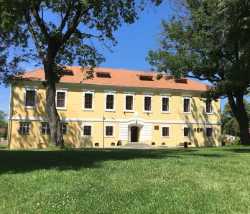 Museum
 of Natural Sciences
Museum
Museum of Natural Sciences
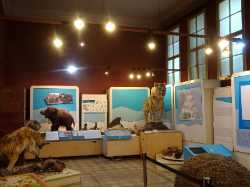 Museum
 of Ethnography and Folk Art
Museum
Museum of Ethnography and Folk Art
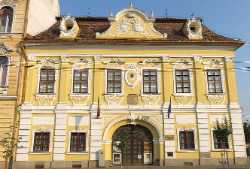 Museum
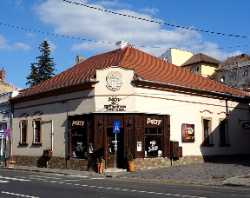
Teleki-Bolyai Library Museum
Museum
Teleki-Bolyai Library Museum
 Museum
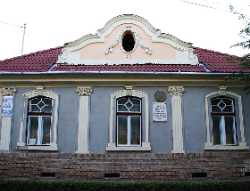
Avram Iancu Memorial House
Museum
Avram Iancu Memorial House
 Museum
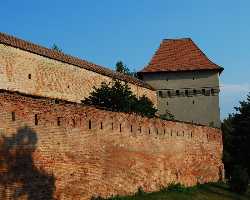
Medieval Fortress of Târgu Mureș
Museum
Medieval Fortress of Târgu Mureș
 Fortress
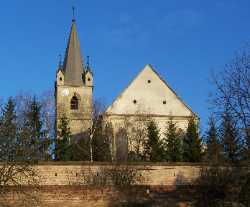
 Church
Fortress
Fortress Church
 Church
Ascension Cathedral
Church
Ascension Cathedral
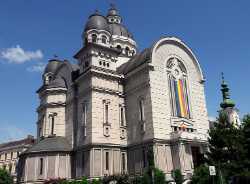 Cathedral
Târgu Mureș National Theatre
Cathedral
Târgu Mureș National Theatre
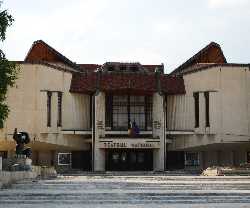 Theatre
Platoul Cornești
Theatre
Platoul Cornești
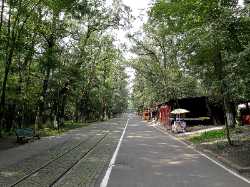 Park
Park