Târgu Mureș National Theatre
Târgu Mureș National Theatre is one of Romania’s most dynamic cultural institutions, remarkable for hosting two fully fledged companies under one roof: the Romanian-language Liviu Rebreanu troupe and the Hungarian-language Tompa Miklós troupe. This dual structure makes the theatre a rare bilingual stage in Europe, with parallel repertoires ranging from classical drama to bold contemporary experiments. The building itself, opened in 1973, reflects late‑modernist design softened by local artistic influences. Inside, the main hall impresses with its generous proportions and excellent acoustics, designed to support both spoken theatre and orchestral performances. The ceiling’s geometric reliefs are an interesting detail—originally conceived to diffuse sound, they also create a subtle play of light during evening shows. Visitors often note the foyer’s sculptural elements, including abstract works by Transylvanian artists that echo the region’s multicultural identity. The smaller studio hall is worth seeing too; it’s an intimate black-box space where directors test unconventional staging, sometimes placing the audience within the performance itself. If you explore beyond the public areas, you may glimpse costume workshops filled with hand‑embroidered garments inspired by local folklore.
Târgu Mureș Romania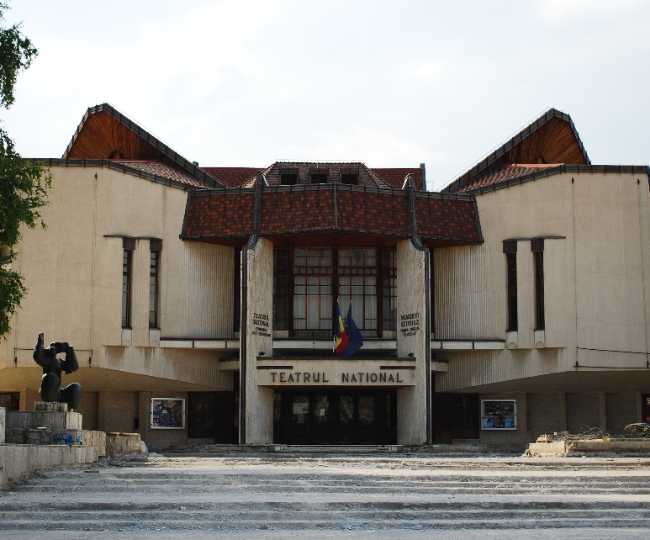
The Târgu Mureș National Theatre stands on Piața Teatrului in the center of Târgu Mureș, a defining cultural venue for the city and all of Transylvania. Inaugurated in 1978, it is the only national theatre in Romania that operates with two companies: the Romanian “Liviu Rebreanu” Company and the Hungarian “Tompa Miklós” Company. This bilingual structure makes it a symbol of local intercultural life, staging both classic and contemporary plays in Romanian and Hungarian. You are in the heart of the city, just steps from Piața Teatrului’s pedestrian zone filled with cafes, fountains, and public art. A short walk brings you to Piața Trandafirilor, the bustling Rose Square that anchors downtown. Around it you’ll find the Ascension Cathedral with its soaring domes and interior frescoes, the Art Nouveau Palatul Culturii known for its stained-glass windows and museums, and the Teleki-Bolyai Library, an 18th-century treasure holding over 250,000 rare books. Also nearby are the medieval Târgu Mureș Fortress with its park and church, the historic Synagogue of Tg. Mureș, City Hall, the Flower Clock, and the Rakoczi Staircase connecting to the citadel. Restaurants, shops, and museums line the surrounding streets, making the theatre an ideal starting point to explore the city’s Romanian, Hungarian, and Saxon heritage.
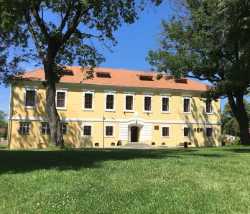 Museum
 of Natural Sciences
Museum
Museum of Natural Sciences
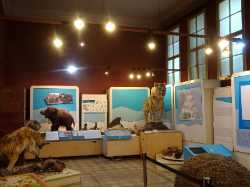 Museum
 of Ethnography and Folk Art
Museum
Museum of Ethnography and Folk Art
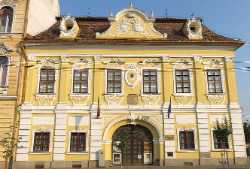 Museum
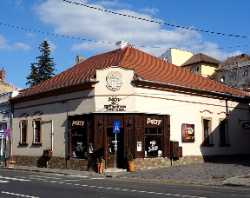
Teleki-Bolyai Library Museum
Museum
Teleki-Bolyai Library Museum
 Museum
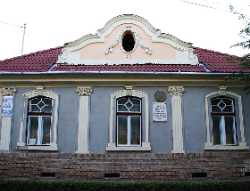
Avram Iancu Memorial House
Museum
Avram Iancu Memorial House
 Museum
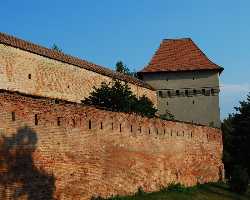
Medieval Fortress of Târgu Mureș
Museum
Medieval Fortress of Târgu Mureș
 Fortress
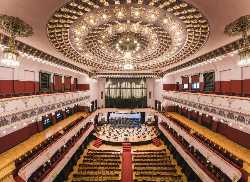
Palace of Culture Târgu Mureș
Fortress
Palace of Culture Târgu Mureș
 Palace
Fortress Church
Palace
Fortress Church
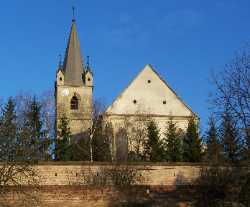 Church
Ascension Cathedral
Church
Ascension Cathedral
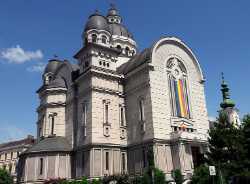 Cathedral
Platoul Cornești
Cathedral
Platoul Cornești
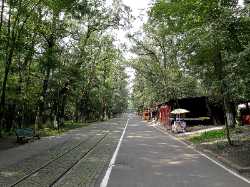 Park
Park